



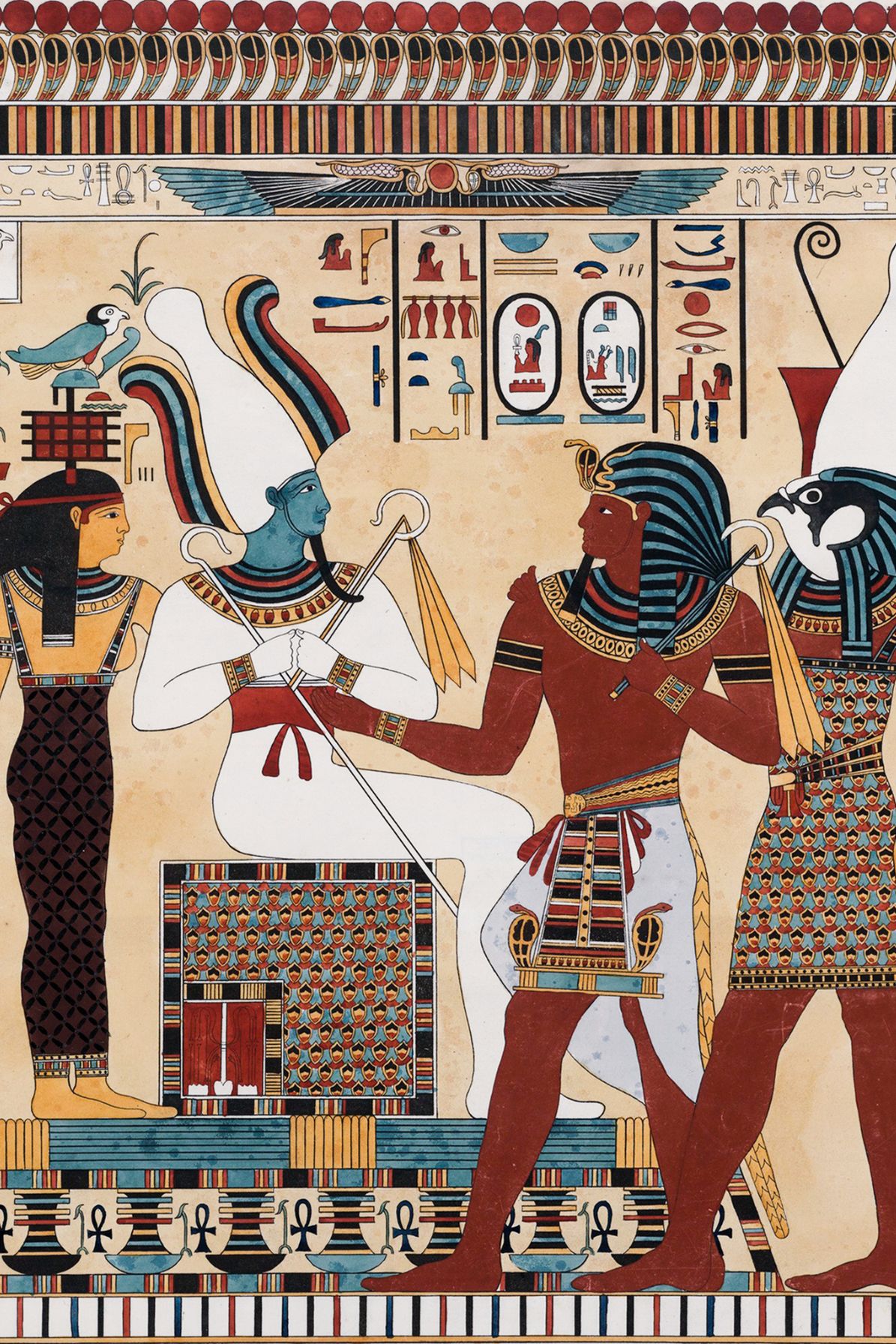
What if the worst punishment in ancient egypt wasn’t pain, imprisonment, or death—but being erased from history itself? Where the afterlife was everything, to be forgotten was the ultimate doom. Egyptians believed that as long as a person’s name was remembered, their soul could live on. But if someone wanted to truly destroy their enemy, they would chisel their name and image away, wiping out their existence forever.
This chilling practice, known today as Damnatio Memoriae (Latin for “condemnation of memory”), was more than just revenge. It was the complete and final death—one from which there was no return.

Why Being Remembered Mattered in Ancient Egypt
The ancient Egyptians believed in three main parts of a person’s soul:
- Ka: The life force that needed offerings to survive in the afterlife.
- Ba: The personality, which could travel between the worlds of the living and the dead.
- Ren: The name, which had to be spoken to keep the soul alive.
If a person’s name was erased, their Ren would vanish, and they would be doomed to wander as a restless spirit—or worse, cease to exist entirely. This was not just a spiritual belief; it shaped Egyptian society, where keeping the memory of the dead alive was a sacred duty.



How Erasure Was Used as Punishment In Ancient Egypt
The most effective way to destroy someone in ancient Egypt was to erase their memory. This could be done in several ways:
- Destroying Statues and Reliefs: The most brutal act was chiseling away the face or entire figure of a person from temples and tomb walls. Without a face, the spirit could not recognize itself in the afterlife.
- Removing Names from Monuments: Pharaohs and officials had their names carved into stone to ensure their eternal presence. Erasing these names meant erasing their afterlife.
- Defacing Mummies and Tombs: Some enemies were even exhumed from their graves, their mummies destroyed, ensuring their soul had no place to rest.
This was not just an act of personal revenge—it was a political weapon. Pharaohs used this to eliminate rivals, and common people might do the same to erase an enemy from memory.

Famous Cases of Erasure in Ancient Egypt
Hatshepsut: The Forgotten Pharaoh
Hatshepsut was one of Egypt’s greatest rulers—a powerful woman who took the throne as a pharaoh. But after her death, her successor, Thutmose III, ordered her images and names erased from temples. He wanted to erase her from history, making it seem as though she had never ruled.
Akhenaten: The Heretic King
Akhenaten tried to change Egypt’s religion by worshipping only one god, the sun disk Aten. After his death, his images were smashed, his statues were buried, and his name was removed from records. The priests wanted to erase all traces of his radical rule.
Tutankhamun: A Victim of Erasure?
King Tutankhamun, the famous “Boy King,” was almost lost to history because later rulers erased his name from the official king lists. If not for the discovery of his tomb in 1922, he might have remained forgotten forever.
The Legacy of Damnatio Memoriae
Ironically, the very act of erasing someone often made them more famous. Hatshepsut, Akhenaten, and Tutankhamun were all victims of Damnatio Memoriae, yet today they are some of the most well-known figures in Egyptian history.
But for countless others, this punishment worked. Their names are lost, their faces gone, and their legacies erased. They suffered the ultimate punishment—eternal oblivion.
The Power of Memory
Ancient Egyptians believed that memory was everything. To be remembered was to live forever; to be forgotten was the truest form of death. Even today, history repeats itself in different ways—statues fall, names are erased, and legacies disappear.
But as long as someone remembers, a piece of the past always survives.

The Role of Carving in Preserving or Erasing Memory
Carving was one of the most sacred and powerful forms of preserving identity in ancient Egypt. Skilled artisans spent years engraving names, faces, and achievements onto temple walls, obelisks, and tombs to ensure eternal remembrance. The depth and precision of these carvings were not just artistic choices but spiritual safeguards—deeply etched hieroglyphs and figures were harder to erase, ensuring the individual’s continued existence in both the mortal and divine realms.
However, the same tools that created these eternal records could also be used to erase them. Enemies or successors who wanted to eliminate someone from history would chisel away these carvings, defacing faces, scratching out eyes, and removing names from inscriptions. This was a deliberate and systematic act, often performed by temple workers under royal orders. The more thoroughly a figure or name was erased, the more complete their destruction in the afterlife.
Carving was, therefore, a double-edged sword in ancient Egypt—it could grant someone immortality or condemn them to oblivion.