



“They sprayed poison on us—without warning, without care, without remorse.”
These are the haunting words of one of thousands of Nicaraguan banana workers who suffered irreversible damage from Nemagon, a pesticide so dangerous that it was banned in the United States decades ago—yet continued to be dumped into plantations across Latin America. What unfolded over the next few decades was a textbook case of environmental racism, corporate negligence, and exploitation of the Global South.
This is the story of the Nemagon scandal—one of the most devastating and underreported pesticide scandals in modern history.
What is Nemagon?
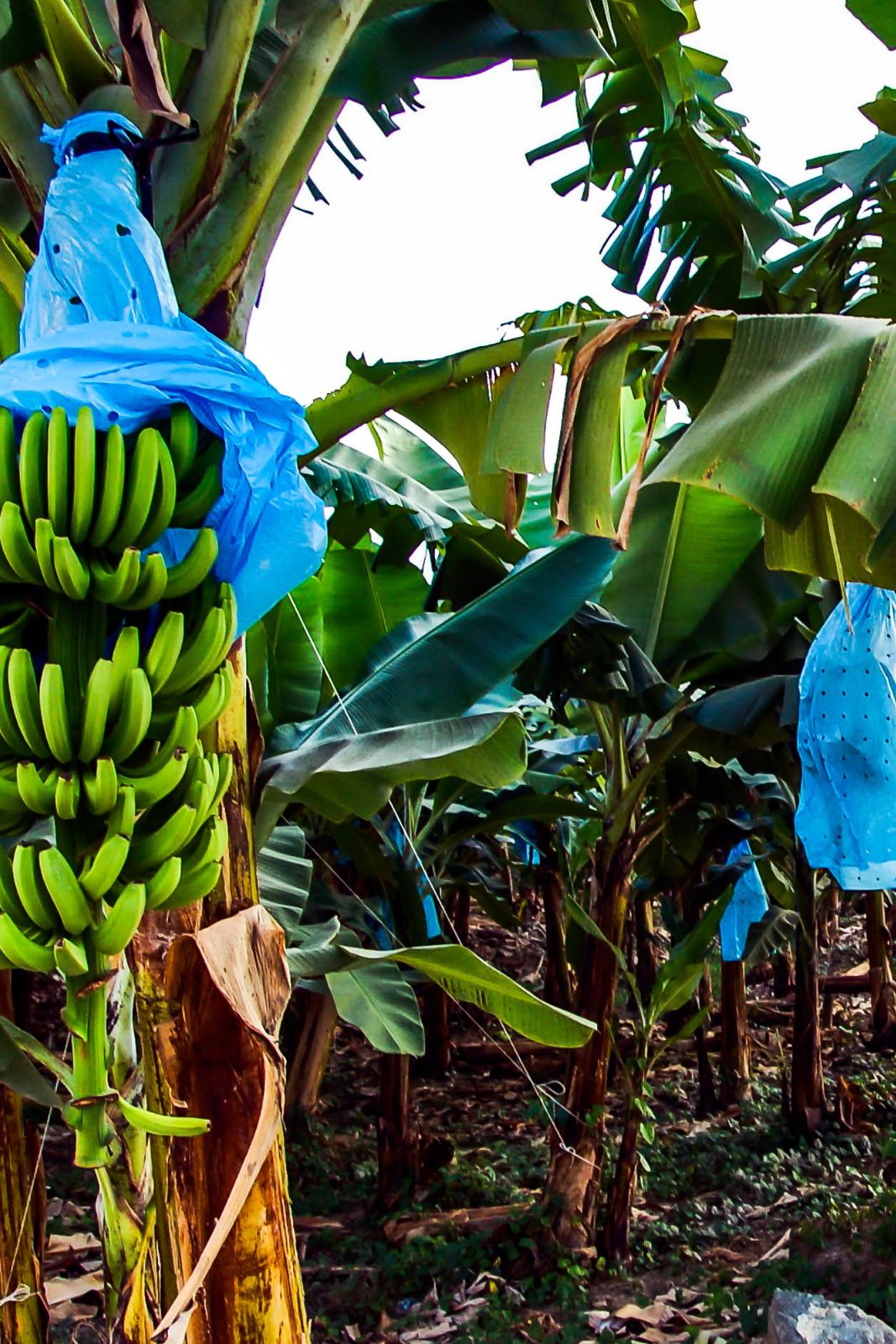
Nemagon is the brand name for DBCP (Dibromochloropropane), a soil fumigant pesticide originally developed to kill nematodes (microscopic worms that damage crops). It was manufactured by Dow Chemical, Shell Oil, and other agrochemical giants and widely used on banana plantations during the 1960s and 1970s.
But even before its international expansion, the danger was known.
In 1977, the U.S. Environmental Protection Agency (EPA) banned Nemagon for use in American agriculture after it was linked to severe health consequences—including male sterility, cancer, skin disorders, and birth defects. Studies from as early as the 1970s revealed that DBCP caused testicular atrophy and infertility in workers exposed to it at chemical plants.
So why did its story not end there?

The Toxic Export: How a Banned Chemical Was Dumped Abroad
After the U.S. ban, Nemagon should have disappeared from global supply chains. Instead, corporations found a loophole: While Nemagon was banned domestically, it was still legally exported to other countries—especially those in Central America, including Nicaragua, Costa Rica, Honduras, and Ecuador.
This practice, often referred to as “double standards” in chemical trade, has been widely condemned but remains shockingly legal in many cases. The Rotterdam Convention, designed to prevent this kind of abuse, was either ignored or insufficiently enforced.
From the late 1970s to the early 1980s, Nemagon continued to be sprayed by air, applied by hand, and used without protective equipment on plantations—despite internal documents showing that manufacturers knew it was dangerous.
The Human Cost: Infertility, Cancer, and Multi-Generational Harm
The consequences were catastrophic. Tens of thousands of agricultural workers—many of whom had little to no understanding of what was being used on their crops—began experiencing horrifying health issues:
- Mass infertility among men in their 20s and 30s
- Miscarriages and stillbirths among women
- Nosebleeds, skin burns, and chronic respiratory illness
- High rates of cancer, especially stomach, liver, and prostate cancers
- Children born with deformities
By the 1990s, health experts estimated that over 30,000 people in Nicaragua alone had been affected by exposure to Nemagon. Thousands more across Costa Rica, Panama, and Ecuador reported similar conditions.
And yet, justice remained elusive.

Legal Battles and Corporate Denial
The affected workers—many of whom had no access to lawyers or international platforms—banded together to seek justice. In the early 2000s, class-action lawsuits were filed against Dow Chemical, Shell, and Dole Food Company.
The response from corporations? Denial.
Companies argued that there was no definitive proof that DBCP caused the health issues. They claimed that the chemical was used properly and that workers were adequately warned—despite mountains of evidence to the contrary.
In 2002, a Nicaraguan court ordered the companies to pay $489 million in damages. But the ruling was symbolic: U.S. courts refused to enforce the decision, citing jurisdictional issues.
In some cases, workers were accused of faking sterility, and witness intimidation was reported.
A major lawsuit in Los Angeles Superior Court in 2007 initially awarded $3.3 million to six workers—but this verdict was later overturned on the grounds that the plaintiffs had allegedly submitted fraudulent claims. This reversal cast a chilling effect on other pending cases.
A Symbol of Environmental Injustice
The Nemagon case is more than a legal or environmental story—it’s a symbol of systemic injustice. It reveals how multinational corporations:
- Exploit weak regulations in the Global South
- Dump banned substances where labor laws are lax and governments are under-resourced
- Avoid accountability using legal loopholes, jurisdictional complexities, and power imbalances
Even as affected communities continue to suffer, companies that manufactured and profited from Nemagon remain untouched—still operating, still profitable, and still denying responsibility.
Where Are They Now?
Today, many of the victims of Nemagon live in poverty and illness. Some reside in makeshift communities known as “El Campamento de los Ex-trabajadores del Banano” in Nicaragua—housing built by and for those who continue to fight for recognition.
In 2009, a documentary called “Bananas!*” brought more attention to the scandal, sparking both praise and lawsuits from Dole. The filmmaker Fredrik Gertten faced intense legal pressure, which many saw as an attempt to silence whistleblowers and journalists.
Despite widespread documentation, no meaningful compensation has reached the majority of victims.
The Bigger Picture: What We Must Learn
The Nemagon scandal is a clear example of environmental colonialism—where harmful practices outlawed in wealthy nations are outsourced to poorer countries under the guise of economic opportunity.
It raises urgent questions:
- Why are dangerous chemicals still legally exported to countries with weaker protections?
- Why are corporate giants allowed to escape accountability for known harm?
- Why do the same systems that promise “sustainable development” allow for such blatant injustice?
Conclusion: A Wound That Hasn’t Healed
The Nemagon tragedy is not just a past event. It’s an ongoing crisis. It’s a mirror of how the global economy continues to place profits above people, especially when those people are workers of color, in the Global South, whose labor feeds global supply chains but whose lives remain disposable.
It’s a call to advocate for international chemical trade reform, corporate accountability, and support for victims of environmental harm.
And it’s a reminder: just because something is out of sight doesn’t mean it’s gone.

Call to Action:
If this story moved you, don’t let it stay a story. Support international justice campaigns, push for chemical export bans, and demand transparency from brands profiting off the Global South’s pain. The fight for environmental justice is a fight for human dignity.
ABOUT enyi
At enyi, we believe beauty should never come at the cost of human lives or environmental destruction. That’s why we offer plant based, ethically sourced skincare ingredients rooted in ancestral wisdom and radical transparency. No exploitation. No greenwashing. Just pure, powerful care from the earth made for those who refuse to look away.
🧴 Explore our collection: Tap Here
🌿 Support ethical wellness. Share this story. Choose better.