


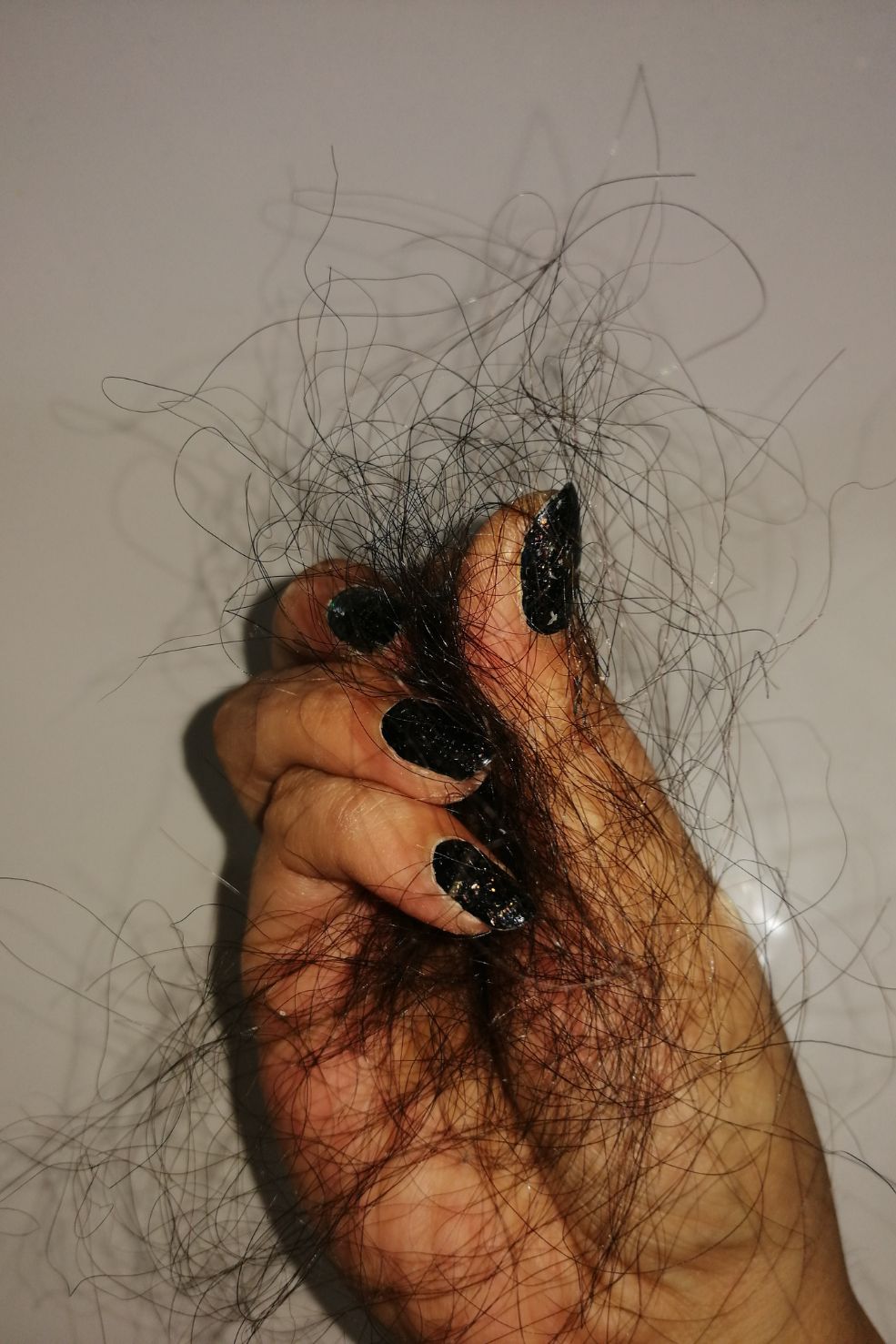
Many hair loss causes stem from nutrient deficiencies, stress, or poor scalp health—issues that can often be resolved naturally. Are you noticing more hair in your brush or shower drain? Hair loss can be frustrating, but before turning to expensive treatments or medications, consider natural remedies that support hair growth safely. This article explores effective natural methods, from herbal treatments and essential oils to dietary changes and scalp care, to help restore healthy, strong hair.
- Understanding Hair Loss Naturally
- Best Natural Remedies for Hair Loss
- 1. Essential Oils for Hair Growth
- 2. Herbal Treatments for Hair Strength
- 3. Nutritional Deficiencies and Hair Loss
- 4. Scalp Massage for Hair Growth
- 5. Stress Management to Prevent Hair Loss
- 6. DIY Hair Masks for Stronger Hair
- 7. Hydration & Hair Health
- 8. Avoiding Harmful Hair Practices
- 9. Natural Supplements for Hair Growth
- 10. Protecting Hair from Environmental Damage
- 11. Gut Health and Hair Loss: The Hidden Connection
- 12. Sleep and Hair Loss: Why Rest is Key to Regrowth
- Conclusion
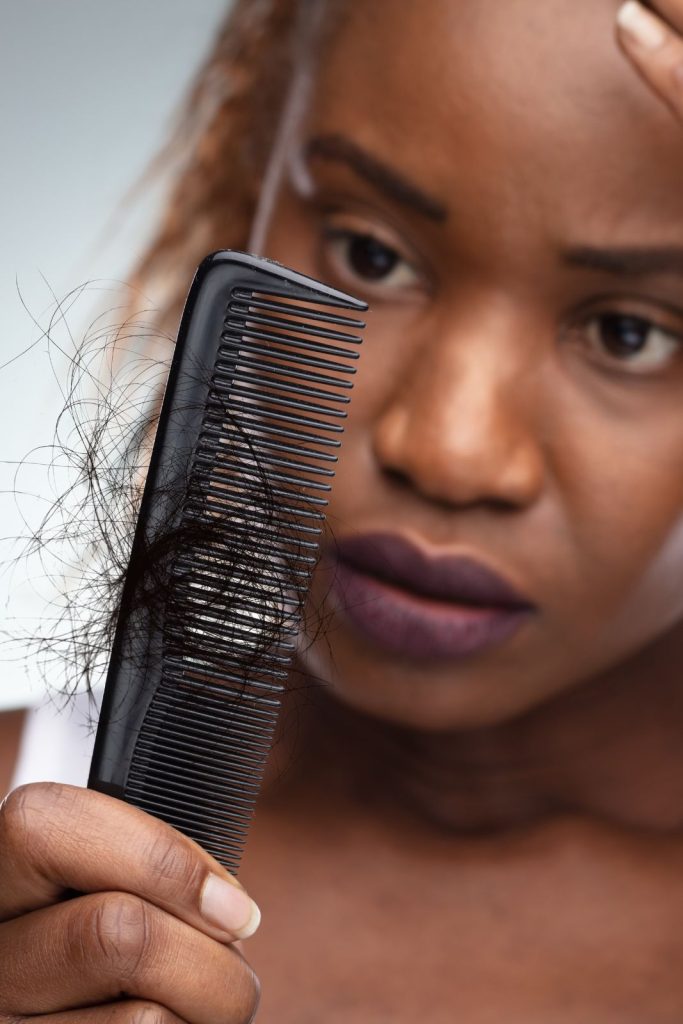
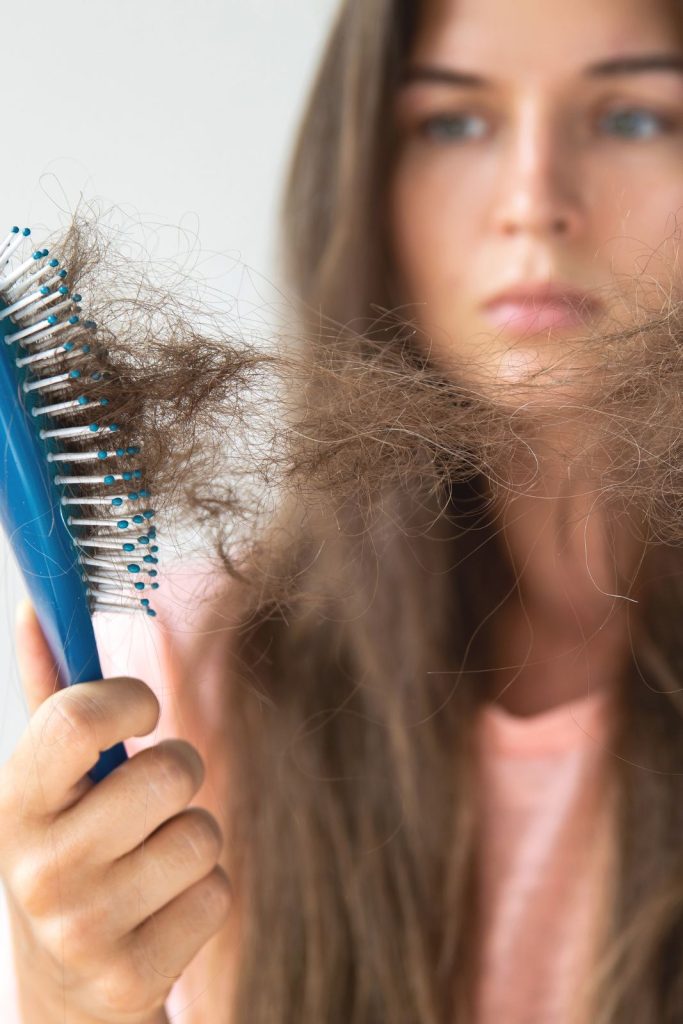
Understanding Hair Loss Naturally
Hair grows in a cycle, which includes:
- Anagen Phase (Growth) – Lasts 2-7 years.
- Catagen Phase (Transition) – Lasts 2-3 weeks.
- Telogen Phase (Shedding) – Lasts 3-4 months.
Disruptions in this cycle—caused by stress, poor nutrition, or environmental damage—can lead to excessive hair loss. By addressing the root causes with natural solutions, you can support hair regrowth without relying on chemicals or medications.
Best Natural Remedies for Hair Loss
Natural methods work by nourishing the scalp, strengthening hair follicles, and reducing breakage. Here’s how you can tackle hair loss causes naturally.
1. Essential Oils for Hair Growth
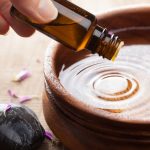
Essential oils have been used for centuries to improve hair health. Some of the best for hair regrowth include:
- Rosemary Oil – Increases circulation to hair follicles.
- Peppermint Oil – Stimulates scalp and encourages hair thickening.
- Lavender Oil – Reduces stress, which can be a cause of hair loss.
- Cedarwood Oil – Helps balance scalp oil production.
How to Use Essential Oils
Mix a few drops of essential oil with a carrier oil like coconut or jojoba oil. Massage into your scalp for 5-10 minutes, then rinse or leave overnight.
2. Herbal Treatments for Hair Strength
Herbs are powerful in treating hair loss naturally. Some well-known options include:
- Aloe Vera – Soothes the scalp and strengthens hair roots.
- Fenugreek Seeds – Rich in protein, they help reduce shedding.
- Hibiscus – Encourages hair regrowth and prevents premature graying.
- Ginseng – Improves blood circulation to hair follicles.
DIY Herbal Hair Mask
Mix aloe vera gel with fenugreek seed paste. Apply to your scalp for 30 minutes before washing off with a mild shampoo.
3. Nutritional Deficiencies and Hair Loss
Your diet plays a crucial role in preventing hair loss causes naturally. The following nutrients are essential for strong, healthy hair:
| Nutrient | Role in Hair Health | Natural Sources |
|---|---|---|
| Iron | Helps deliver oxygen to hair follicles | Spinach, lentils, red meat |
| Biotin (B7) | Strengthens keratin structure | Eggs, nuts, bananas |
| Zinc | Supports scalp health | Pumpkin seeds, chickpeas |
| Vitamin D | Promotes hair follicle function | Sunlight, salmon |
| Omega-3s | Reduces inflammation on the scalp | Flaxseeds, walnuts, fatty fish |
Best Hair-Healthy Foods
- Leafy greens (spinach, kale)
- Nuts and seeds (walnuts, flaxseeds, sunflower seeds)
- Legumes (lentils, chickpeas)
- Protein-rich foods (eggs, yogurt, tofu)
Eating a well-balanced diet can significantly reduce nutritional hair loss causes.
4. Scalp Massage for Hair Growth
A simple yet powerful method, scalp massage improves blood flow to hair follicles, encouraging growth.
How to Do It Properly
- Use your fingertips or a scalp massager.
- Massage in circular motions for 5-10 minutes daily.
- Enhance the benefits by using coconut, castor, or argan oil.
Regular scalp massages not only boost hair growth but also reduce stress, which is a key hair loss cause.
5. Stress Management to Prevent Hair Loss
Stress triggers telogen effluvium, a condition that pushes more hair into the shedding phase. Managing stress naturally can help prevent excessive hair loss.
Natural Ways to Reduce Stress
- Yoga & Meditation – Calms the nervous system and reduces cortisol levels.
- Exercise – Promotes circulation and healthy hormone levels.
- Deep Breathing – Reduces anxiety and increases oxygen flow to the scalp.
- Adequate Sleep – Supports hormonal balance and cell repair.
Making stress management a priority can reduce stress-induced hair loss naturally.
6. DIY Hair Masks for Stronger Hair
Homemade hair masks using natural ingredients can strengthen hair and reduce breakage.
Egg & Yogurt Protein Mask
Ingredients:
- 1 egg
- 2 tablespoons plain yogurt
- 1 teaspoon olive oil
Instructions:
- Mix well and apply to the scalp and hair.
- Leave for 20 minutes before rinsing with a mild shampoo.
This mask nourishes the scalp and restores protein to hair strands.
7. Hydration & Hair Health
Dehydration weakens hair strands and slows growth. Ensure you drink at least 8 glasses of water daily and consume hydrating fruits and vegetables like cucumbers, watermelon, and celery.
Herbal Teas for Hair Growth
- Nettle Tea – Rich in silica for hair strength.
- Horsetail Tea – Contains minerals that boost hair health.
- Green Tea – Reduces DHT levels that contribute to hair thinning.
Switching to herbal teas can naturally combat hair loss causes.
8. Avoiding Harmful Hair Practices
Some everyday habits contribute to hair thinning. Try to avoid:
- Frequent heat styling (blow-drying, curling, straightening).
- Harsh chemical treatments (perms, relaxers, hair dye).
- Tight hairstyles (ponytails, braids, buns).
- Using sulfate-based shampoos that strip natural oils.
Switch to gentle, natural hair care routines to prevent further damage.
9. Natural Supplements for Hair Growth
If your diet lacks essential nutrients, natural supplements can help:
- Biotin – Strengthens hair and reduces shedding.
- Collagen – Supports hair follicle health.
- Saw Palmetto – Blocks DHT, which causes hair thinning.
- Ashwagandha – Helps balance stress hormones.
Consult a healthcare provider before starting any supplements.
10. Protecting Hair from Environmental Damage
Pollution, sun exposure, and harsh water can worsen hair loss causes.
Protective Measures
- Use filtered water to rinse your hair.
- Wear a hat or scarf when exposed to sunlight.
- Apply aloe vera gel as a natural UV shield.
- Rinse with rice water to strengthen strands.
Taking these steps can naturally protect your hair from external damage.
11. Gut Health and Hair Loss: The Hidden Connection
Many people overlook the link between gut health and hair loss, but recent research suggests that an unhealthy gut can contribute to hair thinning. The gut microbiome plays a crucial role in nutrient absorption, including vitamins and minerals essential for hair growth, such as biotin, zinc, and iron. If your digestive system is not functioning optimally, even a nutrient-rich diet may not fully support healthy hair.
How to Improve Gut Health for Hair Growth
- Consume probiotic-rich foods like yogurt, kefir, sauerkraut, and kimchi.
- Increase fiber intake with foods like chia seeds, avocados, and lentils.
- Drink bone broth to support gut lining and overall digestion.
- Reduce processed foods and sugar, which can trigger inflammation and hair loss.
By healing your gut, you can naturally enhance hair follicle strength and regrowth, making this an essential step in your hair care journey.
12. Sleep and Hair Loss: Why Rest is Key to Regrowth
Did you know that lack of sleep can be one of the major hair loss causes? Poor sleep quality increases stress hormone cortisol, which negatively impacts hair follicles and disrupts the natural hair growth cycle. Without enough deep sleep, your body struggles to repair and regenerate cells—including those responsible for hair health.
Tips for Better Sleep and Hair Regeneration
- Stick to a consistent sleep schedule (aim for 7-9 hours per night).
- Avoid blue light from screens at least one hour before bed to improve melatonin levels.
- Incorporate a magnesium-rich bedtime tea, such as chamomile or valerian root.
- Use a silk pillowcase to reduce hair breakage while sleeping.
By prioritizing restful sleep, you give your body the opportunity to heal and nourish your hair from within, making it a powerful yet overlooked natural remedy for hair loss.


Conclusion
Addressing hair loss causes naturally is not only effective but also safer for long-term hair health. By incorporating essential oils, herbal remedies, nutrient-rich foods, scalp massages, and stress management techniques, you can restore hair growth naturally.
Commit to a healthy lifestyle and gentle hair care routine, and you’ll start seeing improvements in your hair strength and thickness. Nature has everything you need—just be patient and consistent!