



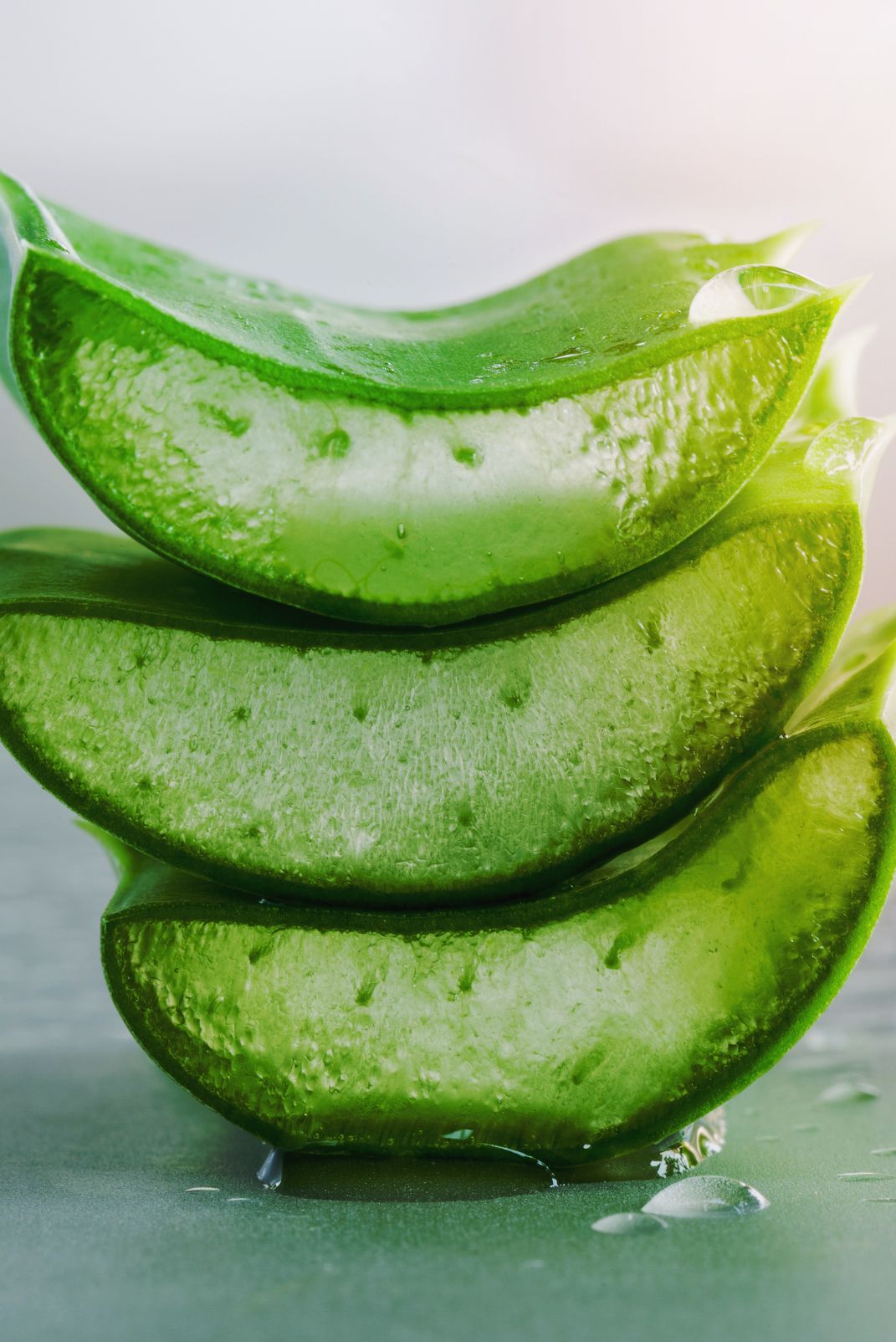
Natural ingredients, rich in cultural heritage and effectiveness, are becoming the stars of modern skincare routines. In an increasingly interconnected world, diversity in beauty has never been more celebrated. Our skin is as unique as our cultural identities, and the way we care for it reflects traditions passed down through generations. Let’s take a journey around the globe to discover six natural ingredients that represent the beauty and wisdom of different cultures. Embracing these treasures not only honors diversity but also introduces powerful elements to elevate your skincare regime.
- 1. African Shea Butter: A Gift from the Heart of Africa
- 2. Turmeric from India: The Golden Spice of Beauty
- 3. Japanese Green Tea: The Elixir of Youth
- 4. Moroccan Argan Oil: Liquid Gold for Skin and Hair
- 5. Australian Tea Tree Oil: A Natural Healer
- 6. Brazilian Cupuaçu Butter: Amazonian Hydration
- What are the Benefits of Using Natural Ingredients in Skincare?
- How Can I Create DIY Skincare Recipes with Globally Sourced Ingredients?
- What is the Cultural Significance of Traditional Beauty Rituals Around the World?
- The Power of Celebrating Diversity in Beauty
- Final Thoughts
1. African Shea Butter: A Gift from the Heart of Africa
Shea butter, sourced from the nuts of the shea tree found primarily in West Africa, has been a cornerstone of skincare for centuries. Rich in vitamins A, E, and essential fatty acids, shea butter provides deep hydration, soothes irritation, and promotes skin elasticity. Women in African communities have used this golden balm for generations to protect their skin from harsh climates and maintain a radiant glow. Its creamy texture and emollient properties make it a versatile ingredient for everything from moisturizing creams to hair care products.
By incorporating shea butter into your routine, you’re not just benefiting from its intense nourishment; you’re also supporting sustainable practices and women-led cooperatives dedicated to its production. Look for ethically sourced shea butter to ensure your purchase empowers these communities.
2. Turmeric from India: The Golden Spice of Beauty
Turmeric, a staple in Indian households, is celebrated not only for its culinary uses but also for its skin-enhancing properties. Packed with curcumin, a potent anti-inflammatory and antioxidant compound, turmeric is a natural remedy for acne, dark spots, and dull skin. Traditional Indian bridal rituals often include a turmeric mask to achieve a luminous complexion.
Today, turmeric is widely incorporated into face masks, serums, and cleansers. Its ability to reduce redness and even out skin tone makes it a cherished ingredient worldwide. To honor its cultural roots, try blending turmeric with yogurt and honey for a DIY mask inspired by Indian traditions.

3. Japanese Green Tea: The Elixir of Youth
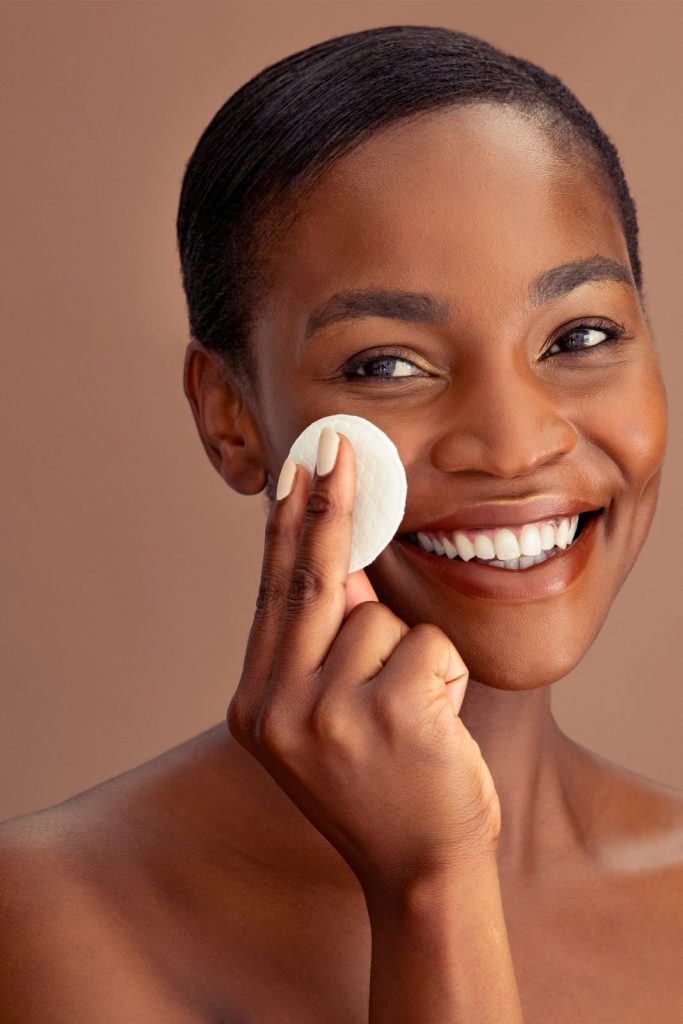
Green tea, deeply rooted in Japanese culture, is revered for its health benefits and skin-enhancing qualities. Loaded with catechins, green tea offers powerful anti-aging, anti-inflammatory, and antibacterial properties. It protects the skin from environmental damage, reduces puffiness, and promotes a youthful glow.
Matcha, a powdered form of green tea, takes center stage in many skincare products. From soothing eye creams to detoxifying face masks, matcha harnesses the wisdom of Japanese beauty rituals. To bring a touch of Japan into your routine, try a DIY toner made from brewed green tea and rose water for a refreshing and antioxidant-rich boost.
4. Moroccan Argan Oil: Liquid Gold for Skin and Hair
Argan oil, often called “liquid gold,” is derived from the kernels of the argan tree native to Morocco. This luxurious oil is rich in vitamin E, antioxidants, and essential fatty acids, making it a multi-purpose solution for skin and hair. Moroccan women have long used argan oil to combat dryness, heal scars, and promote hair health.
Argan oil’s lightweight texture and non-comedogenic properties make it suitable for all skin types. Whether used as a facial oil, hair serum, or nail treatment, its benefits are endless. Look for cold-pressed, organic argan oil to experience its purity and effectiveness. Supporting local Moroccan producers ensures that this cultural gem continues to thrive.
5. Australian Tea Tree Oil: A Natural Healer
Tea tree oil, indigenous to Australia, is a powerful antimicrobial and anti-inflammatory ingredient. Aboriginal Australians have used tea tree leaves for centuries to treat wounds and skin infections. In modern skincare, tea tree oil is prized for its ability to combat acne, reduce redness, and soothe irritated skin.
A few drops of this potent essential oil can transform your skincare routine. Use it as a spot treatment for blemishes or dilute it with a carrier oil for a gentle application. When sourcing tea tree oil, choose products that highlight sustainable practices and ethical harvesting methods.


6. Brazilian Cupuaçu Butter: Amazonian Hydration
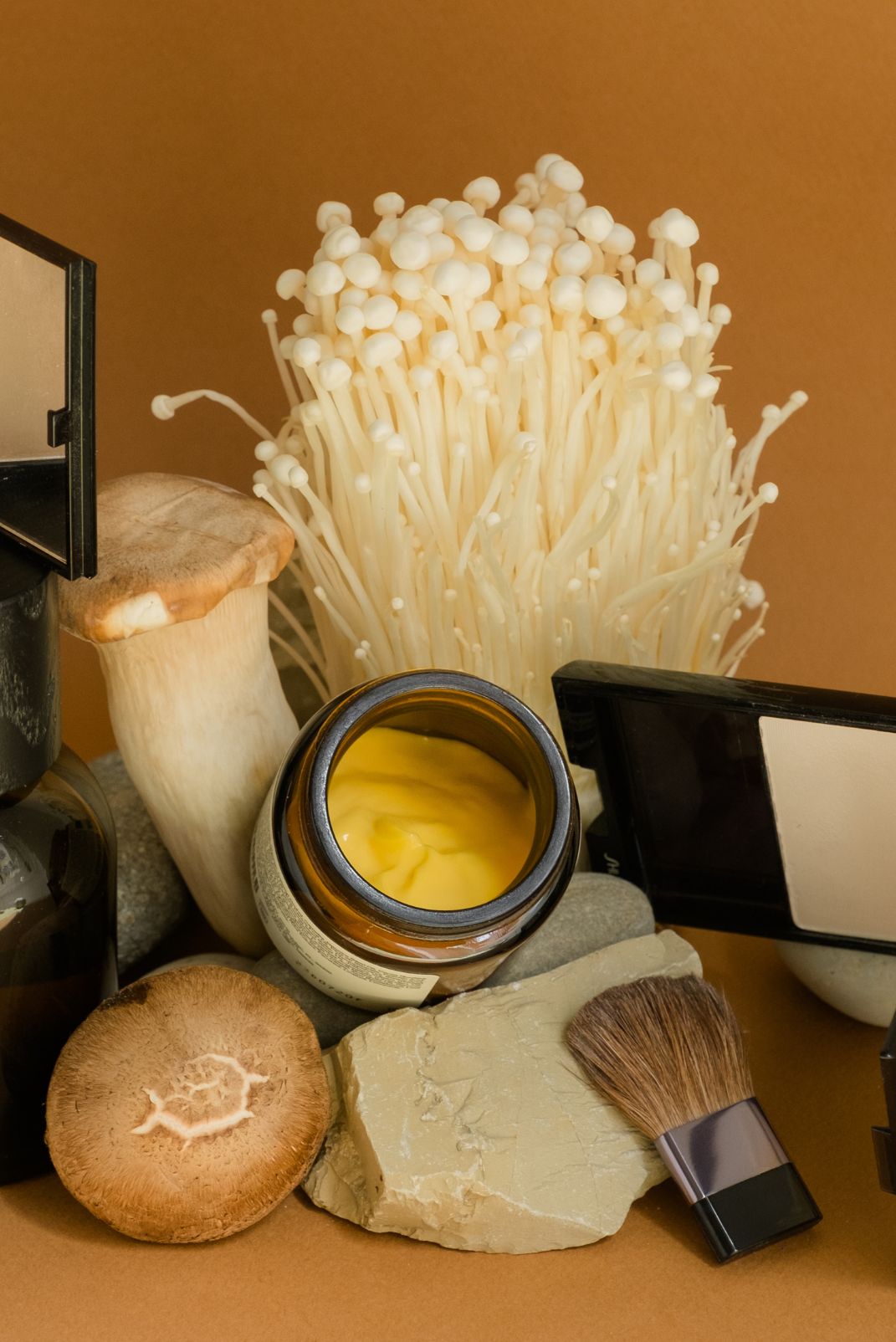
Hailing from the lush Amazon rainforest, cupuaçu butter is a lesser-known but highly effective natural ingredient. Extracted from the seeds of the cupuaçu fruit, this butter is a hydration powerhouse. It’s packed with phytosterols, antioxidants, and essential fatty acids, making it ideal for repairing dry and damaged skin.
Brazilian women have long relied on cupuaçu butter to maintain soft, supple skin in the humid rainforest climate. Its creamy texture and ability to retain moisture make it a standout ingredient in body butters and lip balms. Incorporating cupuaçu butter into your routine offers a luxurious experience while celebrating the biodiversity of the Amazon.
What are the Benefits of Using Natural Ingredients in Skincare?
Natural ingredients offer a plethora of benefits, making them a favorite choice in skincare routines around the world. First, they are often less harsh on the skin compared to synthetic chemicals, reducing the risk of irritation or allergic reactions. They are rich in vitamins, minerals, and antioxidants that nourish the skin while addressing various concerns such as dryness, aging, or acne. Furthermore, many natural ingredients, like those discussed above, carry anti-inflammatory and healing properties, promoting overall skin health. Using natural products also aligns with eco-friendly and sustainable practices, as they often require fewer harmful manufacturing processes and produce less waste. When you use natural ingredients, you’re tapping into centuries of cultural wisdom, ensuring your skincare is both effective and holistic.
How Can I Create DIY Skincare Recipes with Globally Sourced Ingredients?
Creating DIY skincare recipes with globally sourced ingredients allows you to customize your routine while honoring traditional beauty practices. For example, you can make a hydrating mask by mixing shea butter with honey and a few drops of tea tree oil. Alternatively, a brightening turmeric face mask can be created by combining turmeric powder with yogurt and a teaspoon of argan oil. For a refreshing toner, brew Japanese green tea and mix it with rose water in a spray bottle. Not only are these recipes simple to make, but they also ensure you’re using fresh, potent ingredients tailored to your skin’s needs. Always source your ingredients from ethical suppliers to support global communities and ensure high-quality results.
What is the Cultural Significance of Traditional Beauty Rituals Around the World?
Traditional beauty rituals are deeply intertwined with cultural heritage and often reflect the environmental and societal needs of a community. In Africa, the use of shea butter highlights the resourcefulness and wisdom of utilizing local plants to combat harsh climates. Indian turmeric masks are part of ceremonial practices that emphasize purity and health, particularly in weddings. Japanese green tea ceremonies showcase an appreciation for mindfulness and the harmony between inner and outer beauty. Meanwhile, Moroccan argan oil represents centuries of knowledge passed down by Berber women who recognize its versatility and potency. These rituals go beyond skincare; they’re acts of self-care that honor tradition, celebrate identity, and connect us to a shared human experience. By integrating these elements into modern routines, we not only enhance our skincare practices but also pay homage to the cultural legacies they represent.
The Power of Celebrating Diversity in Beauty
Each of these six ingredients tells a story of cultural heritage, resilience, and wisdom. By embracing them in your skincare routine, you’re not only nourishing your skin but also honoring the traditions of communities around the world. Diversity in beauty is about more than just representation; it’s about recognizing the unique contributions of every culture and weaving them into a global tapestry of self-care.
When selecting products with these natural ingredients, prioritize ethical sourcing and sustainability. Supporting brands that work directly with local communities ensures that these traditions continue to flourish while preserving the environment.
Final Thoughts
Natural ingredients hold the key to celebrating diversity in beauty. By incorporating shea butter, turmeric, green tea, argan oil, tea tree oil, and cupuaçu butter into your routine, you’re embracing a world of traditions and unlocking the secrets of radiant skin. These ingredients, rooted in cultural heritage, not only enhance your beauty but also connect you to the rich histories and practices of the communities that nurture them.
By celebrating these global treasures, you’re part of a movement that values inclusivity, sustainability, and the timeless wisdom of nature.