



More people are turning toward natural cleaning products solutions, with the increasing awareness of sustainability and the harmful effects of chemical cleaning-laden products, . These eco-friendly cleaning options are not only safer for your home and family but also reduce your carbon footprint. In this article, we’ll explore three effective ways to create DIY plant-based cleaners that will transform your cleaning routine. Along the way, we’ll answer popular FAQs and provide insights into crafting eco friendly cleaning solutions tailored to your needs.
Why Choose Plant Based Natural Cleaning Products?
Conventional cleaning products often contain harsh chemicals that can harm your health, pollute indoor air, and pose risks to children, pets, and the environment. On the other hand, natural cleaning products use safe, biodegradable, and plant based ingredients. Here’s why you should make the switch:
Customizable: Tailor recipes to your preferred scents and cleaning needs.
Safer for Health: Plant based cleaners reduce exposure to toxins that can cause respiratory issues, skin irritation, or allergies.
Eco-Friendly: Natural cleaning solutions break down easily in the environment without leaving harmful residues.
Cost-Effective: Homemade cleaning products often utilize affordable, everyday ingredients.
1. DIY All-Purpose Cleaner with Vinegar and Essential Oils
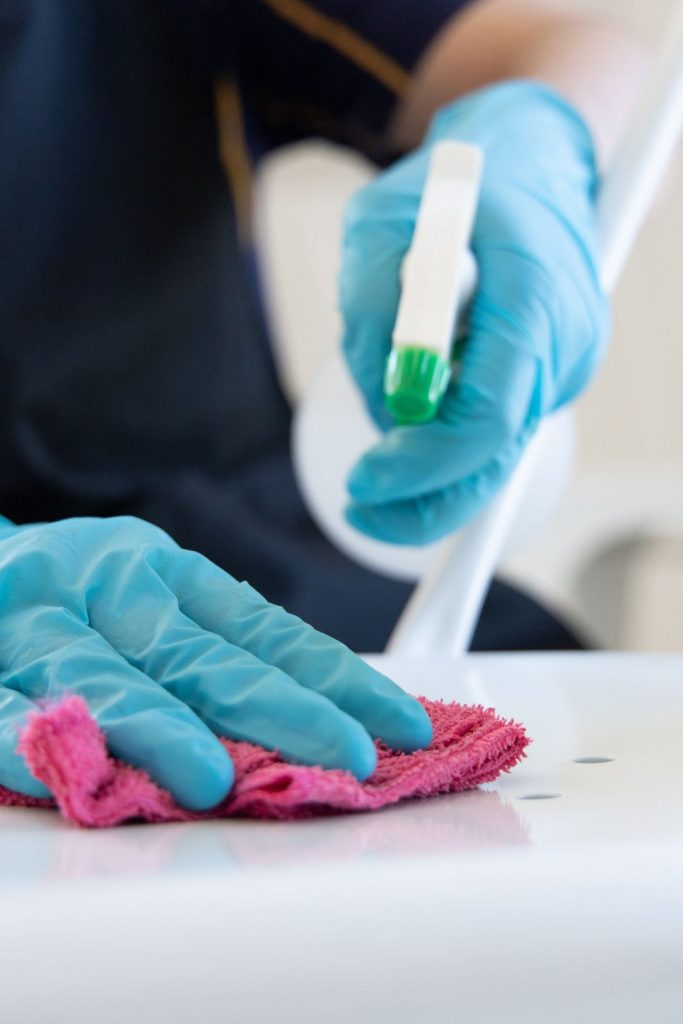
An all-purpose cleaner is a must-have in every household. This plant-based recipe combines the power of vinegar with the refreshing properties of essential oils.
Ingredients:
- 1 cup white vinegar
- 1 cup distilled water
- 10-15 drops of your favorite essential oil (e.g., lemon, tea tree, or lavender)
- A spray bottle
Instructions:
- Mix vinegar and water in the spray bottle.
- Add essential oils to give the cleaner antibacterial properties and a pleasant fragrance.
- Shake well before each use.
How It Works:
- Vinegar: A natural disinfectant that cuts through grease and grime.
- Essential Oils: Lemon oil boosts grease-fighting power, tea tree oil has antifungal properties, and lavender adds a soothing scent.
Best Uses: Clean countertops, kitchen appliances, bathroom surfaces, and even glass.
Tip: Avoid using vinegar on granite or marble surfaces, as its acidity can damage these materials.
2. Plant-Based Laundry Detergent for Clean and Fresh Clothes
Switching to natural cleaning products, eco-friendly laundry detergent helps you reduce plastic waste and eliminate harsh chemicals from your clothes. Here’s a simple recipe:
Ingredients:
- 1 cup castile soap (a plant based soap made from olive or coconut oil)
- ½ cup baking soda
- 20 drops of essential oil (e.g., lavender or eucalyptus)
- 2 cups distilled water
- A storage container
Instructions:
- Dissolve baking soda in warm distilled water.
- Add castile soap and essential oils. Mix well.
- Store the detergent in an airtight container. Use ½ to 1 cup per load of laundry.
Why It Works:
- Castile Soap: A gentle yet effective cleaning agent.
- Baking Soda: Helps to deodorize and soften fabrics.
- Essential Oils: Provide a natural fragrance without synthetic additives.
Eco-Friendly Tip: Pair this detergent with wool dryer balls to reduce drying time and eliminate the need for fabric softeners.
3. Natural Glass Cleaner with Cornstarch
If streaky windows and mirrors drive you crazy, this eco-friendly glass cleaner is your solution. It’s non-toxic, effective, and leaves a streak-free shine.
Ingredients:
- 2 cups distilled water
- ¼ cup white vinegar
- 1 tablespoon cornstarch
- A microfiber cloth
Instructions:
- Mix water, vinegar, and cornstarch in a spray bottle. Shake vigorously to dissolve the cornstarch.
- Spray directly onto glass or mirrors and wipe clean with a microfiber cloth.
Why It Works:
- Vinegar: Dissolves dirt and grease.
- Cornstarch: Reduces streaks by absorbing moisture effectively.
Pro Tip: For best results, clean your windows on a cloudy day to avoid streaks caused by the sun drying the solution too quickly.
FAQs about Natural Cleaning Products
1. Are natural cleaning products as effective as chemical cleaners?
Yes! Plant-based cleaners are just as effective for everyday cleaning tasks. For tough stains, adjusting the formula (e.g., adding baking soda or scrubbing with salt) can enhance cleaning power.
2. How can I make my home smell fresh without synthetic fragrances?
Essential oils are your best friend. Use citrus oils like lemon, orange, or grapefruit for a refreshing scent, or lavender for a calming effect. You can also simmer citrus peels and cinnamon sticks on the stove for a natural room freshener.
3. Are DIY plant-based cleaners safe for pets?
Most plant-based cleaners are pet-friendly, but avoid essential oils like tea tree or eucalyptus, which can be toxic to animals. Always check the ingredients to ensure they’re safe for your furry friends.
4. Can I store homemade natural cleaners for long periods?
Yes, but shelf life depends on the ingredients. Most DIY cleaners last 1-2 months if stored in a cool, dark place. Avoid leaving them in direct sunlight, which can degrade essential oils.
5. What are the benefits of using plant-based cleaning products over commercial eco-friendly brands?
Homemade solutions are cost-effective, customizable, and free of hidden additives. While commercial brands offer convenience, making your own ensures complete control over the ingredients used.
Bonus Tips for Eco-Friendly Cleaning
- Reuse and Recycle Containers: Use old spray bottles, jars, or other containers to reduce waste.
- Shop Sustainably: Purchase bulk ingredients like vinegar, baking soda, and essential oils from eco-conscious brands.
- DIY Furniture Polish: Combine olive oil and lemon juice to create a natural polish for wooden furniture.
- Clean Drains Naturally: Pour a mixture of baking soda and vinegar into the drain, followed by boiling water, to unclog pipes.
Benefits of Transitioning to Plant-Based Cleaners
By adopting natural cleaning practices, you’re taking a significant step toward a healthier lifestyle and a greener planet. Here are some long-term benefits:
- Improved Air Quality: No more synthetic fragrances polluting your indoor air.
- Cost Savings: DIY natural cleaning products can save you hundreds of dollars annually.
- Less Waste: Reduce reliance on single-use plastic containers and disposable wipes.
- Personal Satisfaction: Crafting your own cleaners is empowering and rewarding.


Additional Tips for Making and Using Natural Cleaning Products
To enhance the effectiveness of your DIY natural cleaning products and further enrich your eco-friendly cleaning journey, here are additional tips and ideas that will help you get the most out of plant-based solutions:
1. Experiment with Citrus Peels for Infused Vinegar
Citrus peels, such as those from lemons, oranges, and grapefruits, are not only fragrant but also packed with natural cleaning properties. You can use them to create an infused vinegar cleaner:
- Fill a jar with citrus peels.
- Pour white vinegar over the peels, ensuring they’re fully submerged.
- Let the mixture sit for 2-3 weeks, shaking occasionally.
- Strain the infused vinegar and use it as a base for your all-purpose cleaner.
This method adds a fresh, natural scent to your cleaner while boosting its degreasing power.
2. Add Hydrogen Peroxide for Extra Disinfection
For areas that need deeper cleaning, such as bathrooms or high-touch surfaces, you can enhance your cleaner’s disinfecting abilities with hydrogen peroxide. Here’s how:
- Combine 1 part hydrogen peroxide (3%) with 1 part water.
- Use this solution on countertops, cutting boards, or bathroom fixtures.
Note: Store hydrogen peroxide in a dark container, as it breaks down when exposed to light.
3. Use Rubbing Alcohol for a Quick-Drying Cleaner
Rubbing alcohol is another powerful yet natural cleaning products ingredient for streak-free cleaning. Add it to your glass cleaner recipe or use it to sanitize surfaces quickly:
- Mix 1 cup of rubbing alcohol with 1 cup of water and 1 tablespoon of vinegar.
- Use this mixture to clean electronics, mirrors, and other surfaces that benefit from quick drying.
4. Harness the Power of Salt for Stubborn Stains
Salt is an underrated ingredient in natural cleaning. It’s abrasive and works wonders for scrubbing tough stains:
- Use coarse salt to scrub cast iron pans without soap.
- Combine salt with lemon juice to remove rust from metal surfaces.
- Sprinkle salt on carpet stains, let it absorb moisture, and then vacuum it up.
5. Make a Natural Air Freshener
If you want your home to smell fresh without synthetic fragrances, you can create your own air freshener spray. Here’s an easy recipe:
- Combine 1 cup of distilled water, 1 tablespoon of baking soda, and 20 drops of essential oil (e.g., lavender or eucalyptus) in a spray bottle.
- Shake well before each use and spritz into the air or on upholstery.
You can also use dried herbs like rosemary, mint, or lavender to make sachets that naturally freshen drawers or closets.

6. Create a Natural Oven Cleaner
Cleaning your oven doesn’t have to involve harsh chemicals. A simple mixture of baking soda and water can do the trick:
- Make a paste by mixing ½ cup of baking soda with a few tablespoons of water.
- Spread the paste inside your oven and let it sit overnight.
- Wipe away the grime with a damp cloth the next day.
For stubborn grease spots, spray a little vinegar over the baking soda paste for extra cleaning power.
7. Use Natural Cleaning Tools
Switching to plant-based cleaning products goes hand-in-hand with using eco-friendly cleaning tools. Replace disposable items with sustainable options like:
- Bamboo or wooden brushes: Biodegradable and durable.
- Microfiber cloths: Reusable and effective at trapping dust and dirt.
- Old t-shirts or towels: Cut them up to use as cleaning rags.
This not only reduces waste but also aligns with your eco-friendly cleaning efforts.
8. Try DIY Toilet Bowl Cleaner
Cleaning the toilet naturally is easier than you think. A fizzy, plant-based toilet cleaner can be made with simple ingredients:
- Mix ½ cup of baking soda and ½ cup of citric acid.
- Add 15-20 drops of essential oil for fragrance.
- Sprinkle the mixture into the toilet bowl, let it fizz for a few minutes, and scrub with a brush.
For extra cleaning power, spray some vinegar into the bowl before scrubbing.
9. Embrace Lemon’s Cleaning Power
Lemons are not just for cooking—they are incredibly versatile in natural cleaning:
- Use a cut lemon to clean cutting boards. Sprinkle baking soda on the surface, scrub with the lemon, and rinse.
- Remove hard water stains by rubbing a lemon half over faucets and showerheads.
- Shine copper pots by combining lemon juice and salt.
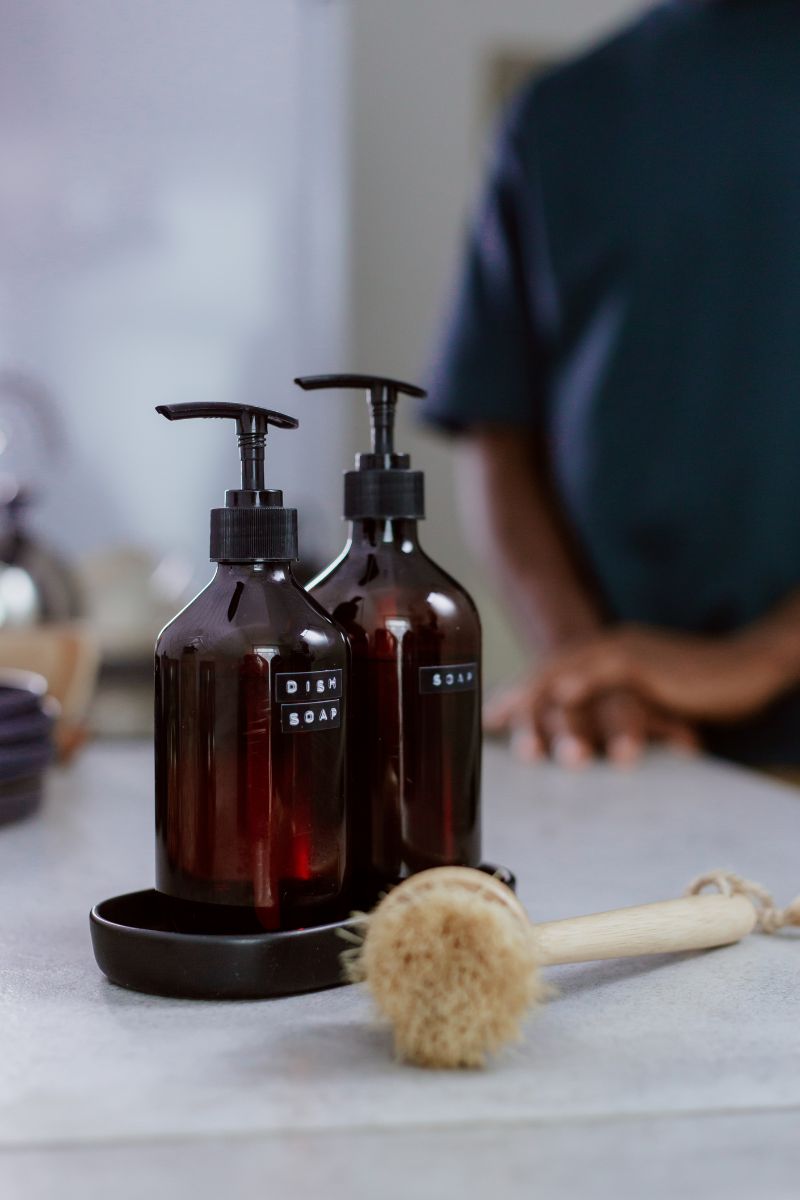
10. Make a Natural Dish Soap
Homemade dish soap can clean your dishes effectively while being gentle on your hands and the environment. Here’s a simple recipe:
- Mix 1 cup of castile soap, ¼ cup of distilled water, 1 tablespoon of washing soda, and 10 drops of lemon essential oil.
- Store the mixture in a squeeze bottle and use it as you would with regular dish soap.
Tip: For stubborn grease, add a few drops of vinegar to the dishwater.
11. Utilize Tea Tree Oil for Mold and Mildew
Tea tree oil is a natural antifungal agent that works well against mold and mildew:
- Mix 1 teaspoon of tea tree oil with 1 cup of water in a spray bottle.
- Spray the mixture onto areas prone to mold, such as shower tiles or window sills.
- Let it sit for a few hours before wiping clean.
12. Make Carpet Deodorizer with Baking Soda
Freshen up your carpets with this simple and effective DIY deodorizer:
- Combine 1 cup of baking soda with 20 drops of essential oil (e.g., peppermint or lavender).
- Sprinkle the mixture evenly over your carpet.
- Let it sit for 15-20 minutes, then vacuum thoroughly.
This method removes odors without synthetic fragrances.
13. Keep Drains Fresh with a Natural Cleaner
Prevent clogs and keep your drains smelling fresh by cleaning them regularly:
- Pour ½ cup of baking soda into the drain.
- Follow with ½ cup of vinegar and let it fizz for 5-10 minutes.
- Flush the drain with boiling water.
This method is effective for both kitchen and bathroom drains.
14. Use Natural Stain Removers for Clothes
For tough stains on clothing, try these natural remedies:
- Grease Stains: Sprinkle cornstarch over the stain, let it sit for 10 minutes, then brush it off and wash.
- Wine Stains: Pour salt over the stain to absorb moisture, then rinse with cold water and wash.
- Ink Stains: Dab rubbing alcohol onto the stain with a cotton ball before washing.
15. Create a Natural Wood Floor Cleaner
Wood floors need special care to avoid damage. Here’s a gentle cleaner you can make:
- Mix 1 gallon of warm water, 1 cup of vinegar, and a few drops of essential oil.
- Mop your floors with this solution, but be sure to wring out the mop to avoid excess water.
Wrapping It Up
Natural cleaning products are incredibly versatile, effective, and eco-friendly. By incorporating these additional tips, you can further reduce your environmental impact and enjoy a safer, healthier home. From infused vinegar to natural air fresheners, these methods allow you to take control of your cleaning routine while embracing sustainability.
Every small step you take toward using natural cleaning products solutions contributes to a greener planet and a healthier lifestyle. Start experimenting with these recipes today, and you’ll never want to go back to conventional cleaners again!