



In a world that’s becoming increasingly urbanized and industrialized, biodiversity often feels like an abstract concept — a term reserved for scientists or conservationists. But biodiversity is not just about exotic animals or lush rainforests; it’s the foundation of life on Earth. It is the interconnectedness of all living things, from the smallest microorganisms to the towering trees that dominate our landscapes. Without it, our very survival is at stake.
What is Biodiversity?
Biodiversity is the variety of life forms that inhabit our planet. It encompasses everything — plants, animals, fungi, and microorganisms. But it’s not just about the number of species. Biodiversity also includes genetic diversity (the variation within species) and ecosystem diversity (the variety of habitats and ecological processes).
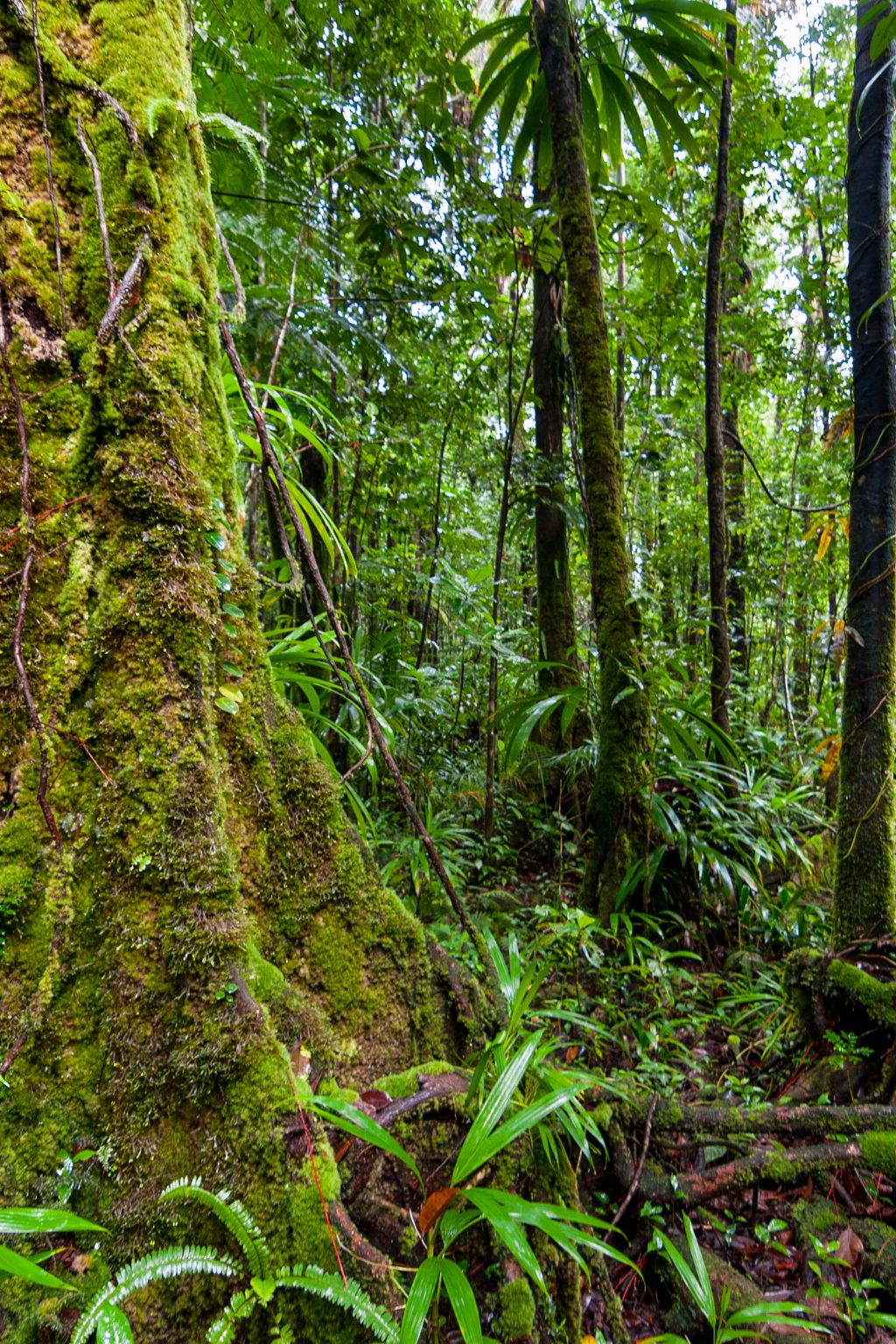
For instance, think of a tropical rainforest. It isn’t just a collection of trees but a complex system where every species, from the tiniest insect to the tallest canopy tree, plays a role in maintaining the ecosystem’s health. This complexity is what gives nature its resilience and adaptability.
Why is Biodiversity Important?
When biodiversity thrives, so do we. Here’s why:
1. Ecosystem Services
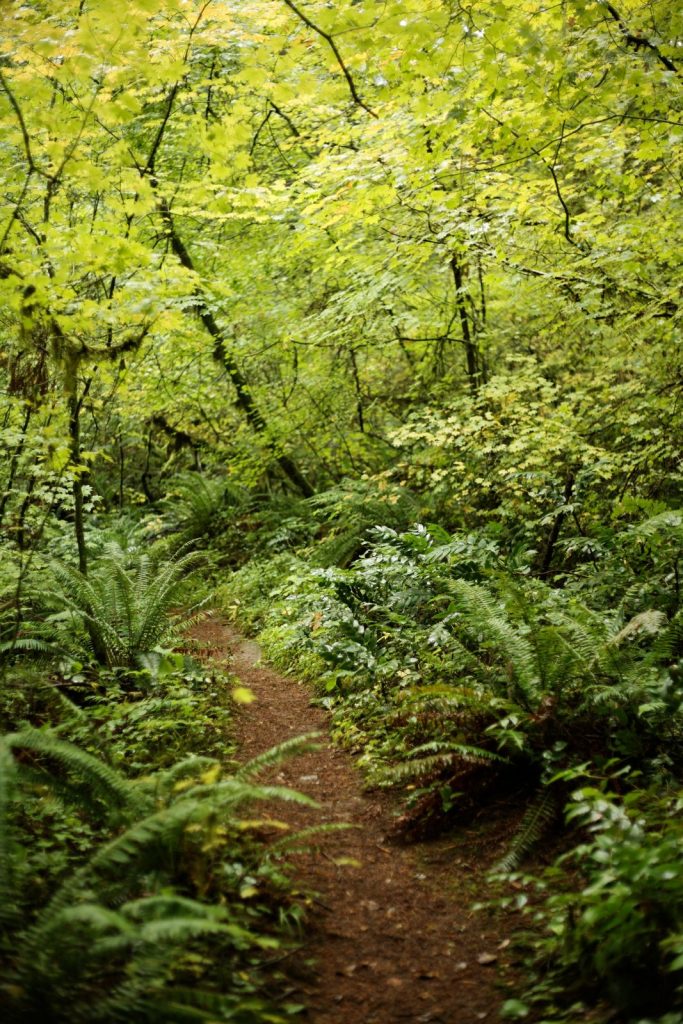
Ecosystems provide essential services that we often take for granted. Forests purify the air, wetlands filter water, and bees pollinate crops. These services are irreplaceable. Imagine a world without pollinators — our food systems would collapse.
2. Climate Regulation
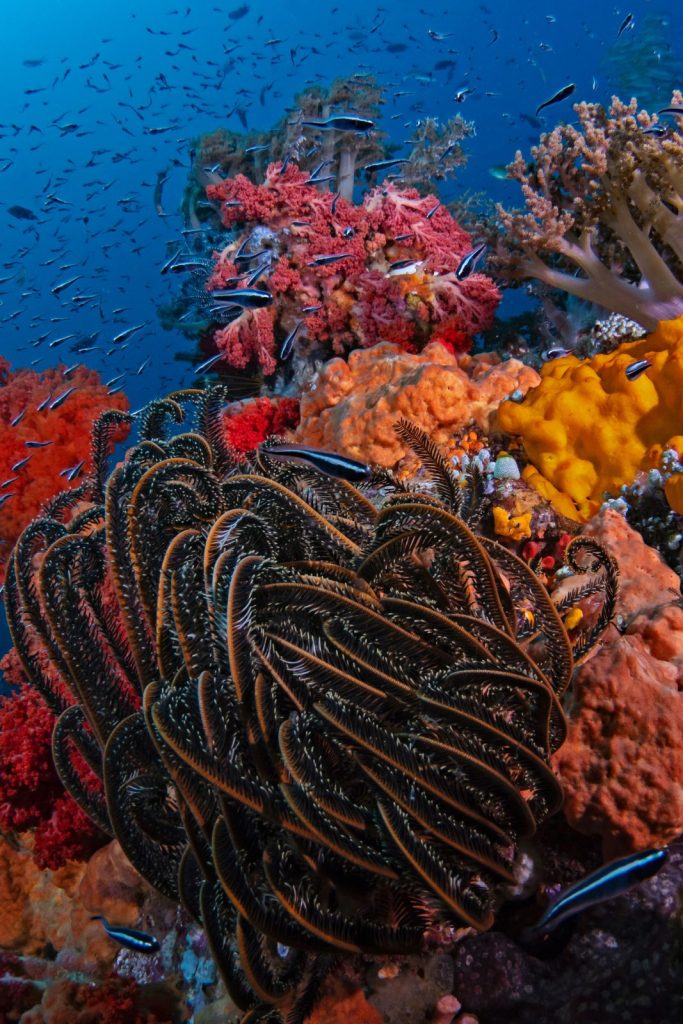
Biodiversity helps regulate the Earth’s climate. Forests act as carbon sinks, absorbing carbon dioxide and mitigating climate change. Coastal mangroves protect us from storm surges, and diverse plant species ensure the resilience of ecosystems in changing climates.
3. Medicinal Resources
Many of our medicines come from plants and other organisms. Aspirin, for example, was derived from willow bark. Biodiversity is essentially a living library of solutions to human health challenges.
4. Cultural and Spiritual Value
For many communities, biodiversity holds immense cultural and spiritual significance. Sacred groves, medicinal plants, and animals often form the backbone of traditions and rituals.
5. Economic Importance
Industries like agriculture, fisheries, and forestry depend on biodiversity. Losing species doesn’t just harm ecosystems; it disrupts economies and livelihoods.


The Role of Plants in Biodiversity
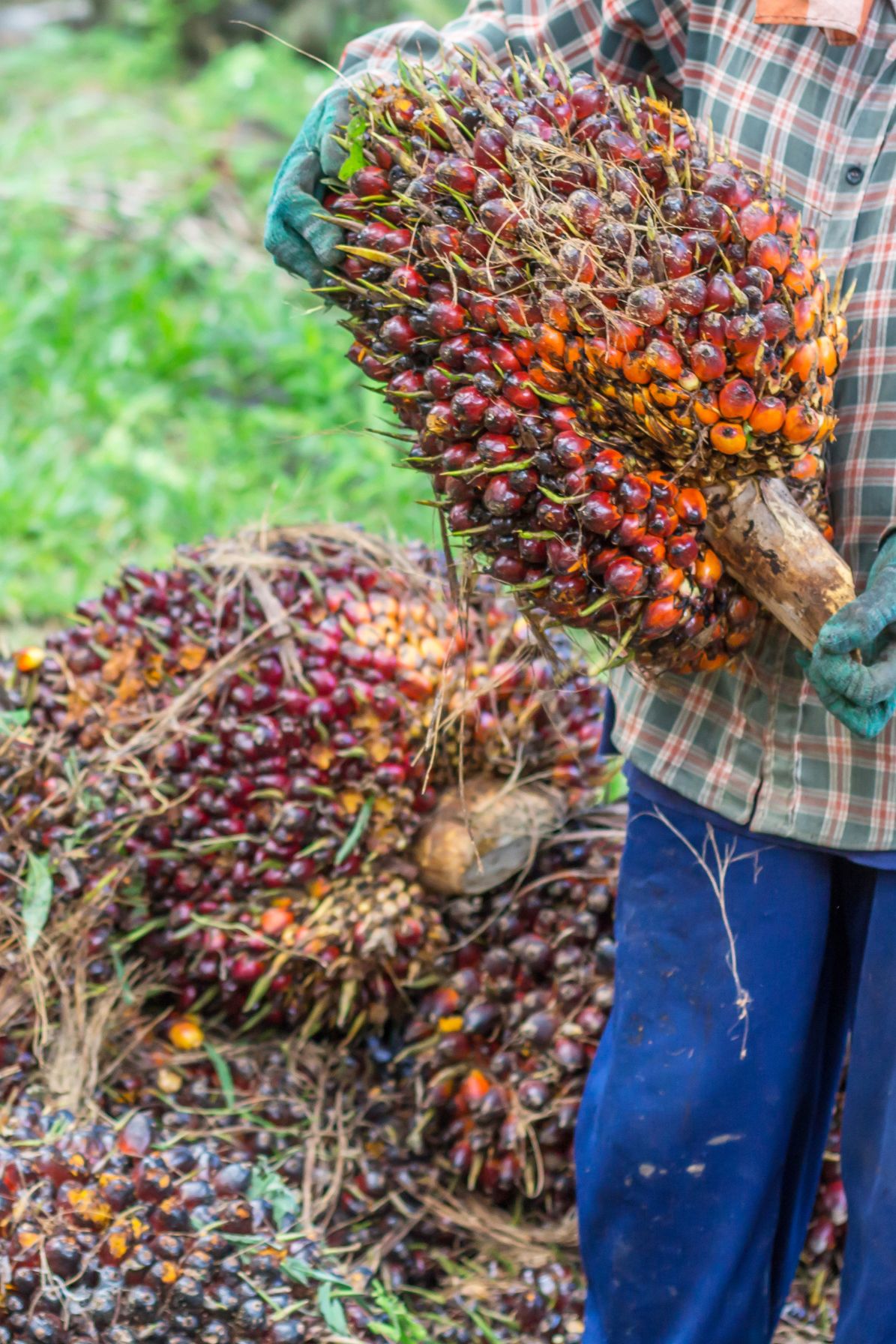
Plants are the unsung heroes of biodiversity. They provide the oxygen we breathe, the food we eat, and the habitats for countless species. Without plants, life on Earth would cease to exist.
Plants as Primary Producers
At the base of every food chain are plants. They convert sunlight into energy through photosynthesis, forming the foundation of life for herbivores, which in turn support carnivores.
Keystone Species
Certain plant species, like mangroves and seagrasses, are keystone species. Their presence supports a wide range of organisms. Remove them, and entire ecosystems collapse.
Plants and Climate Resilience
Healthy plant ecosystems stabilize soil, reduce erosion, and regulate water cycles. Forests, grasslands, and wetlands act as buffers against the impacts of climate change, from floods to droughts.
The Threats to Biodiversity
Despite its importance, biodiversity is under threat. Human activities have accelerated the extinction rate, pushing ecosystems to the brink. Here’s what’s causing the most damage:
1. Deforestation
Every second, we lose an area of forest the size of a football field. Trees are cut down for agriculture, urban development, and logging, destroying habitats and reducing biodiversity.
2. Climate Change
Rising temperatures and changing weather patterns disrupt ecosystems. Some species can’t adapt quickly enough and face extinction.
3. Pollution
Pesticides, plastic waste, and industrial pollutants harm plants, animals, and even microorganisms critical to soil health.
4. Overexploitation
Overfishing, hunting, and unsustainable harvesting of plants put immense pressure on ecosystems.
5. Invasive Species
Non-native species can outcompete native ones, leading to a loss of biodiversity. Kudzu, an invasive vine in the US, is a prime example of how plants can become ecological bullies.
Why Plant Conservation Matters
Plant conservation isn’t just about saving rare orchids or ancient trees. It’s about safeguarding the ecosystems that depend on them — including us.
1. Seed Banks and Gene Pools
Seed banks like the Svalbard Global Seed Vault are insurance policies for our future. They preserve genetic diversity, ensuring we can adapt to challenges like climate change or crop diseases.
2. Restoration Projects
Reforestation and habitat restoration efforts help rebuild ecosystems. Mangrove replanting in coastal areas, for example, protects communities from storms while providing habitats for marine life.
3. Sustainable Agriculture
Promoting practices like agroforestry and permaculture reduces the pressure on natural ecosystems while maintaining agricultural productivity.
4. Education and Awareness
Public awareness campaigns can shift consumer behavior and promote biodiversity-friendly practices. The more people understand the importance of plants, the more likely they are to act.
Biodiversity is the silent architect of our survival; every plant, every species is a thread in the fabric of life, and when we protect it, we protect ourselves.”
Francis M
What Can You Do to Help?
Protecting biodiversity isn’t just the job of scientists or governments. Each of us has a role to play.
1. Support Conservation Organizations
Donate to or volunteer with groups dedicated to biodiversity conservation.
2. Plant Native Species
Gardens filled with native plants provide food and shelter for local wildlife.
3. Reduce Waste
Minimizing plastic use and adopting a zero-waste lifestyle reduces pollution.
4. Advocate for Change
Push for policies that protect natural habitats and promote sustainable practices.
5. Educate Yourself and Others
Understanding the importance of biodiversity is the first step. Share your knowledge with friends, family, and community members.
The Bigger Picture
Biodiversity isn’t just about preserving nature; it’s about preserving our future. Every plant, animal, and microorganism plays a role in the intricate web of life. When we lose one species, the effects ripple through ecosystems, ultimately impacting us.
Plant conservation is a cornerstone of this effort. By protecting and restoring plant life, we not only support biodiversity but also ensure a stable, resilient future for generations to come.
Let’s not wait until it’s too late. The time to act is now. Biodiversity is not just a buzzword — it’s the key to life itself.