



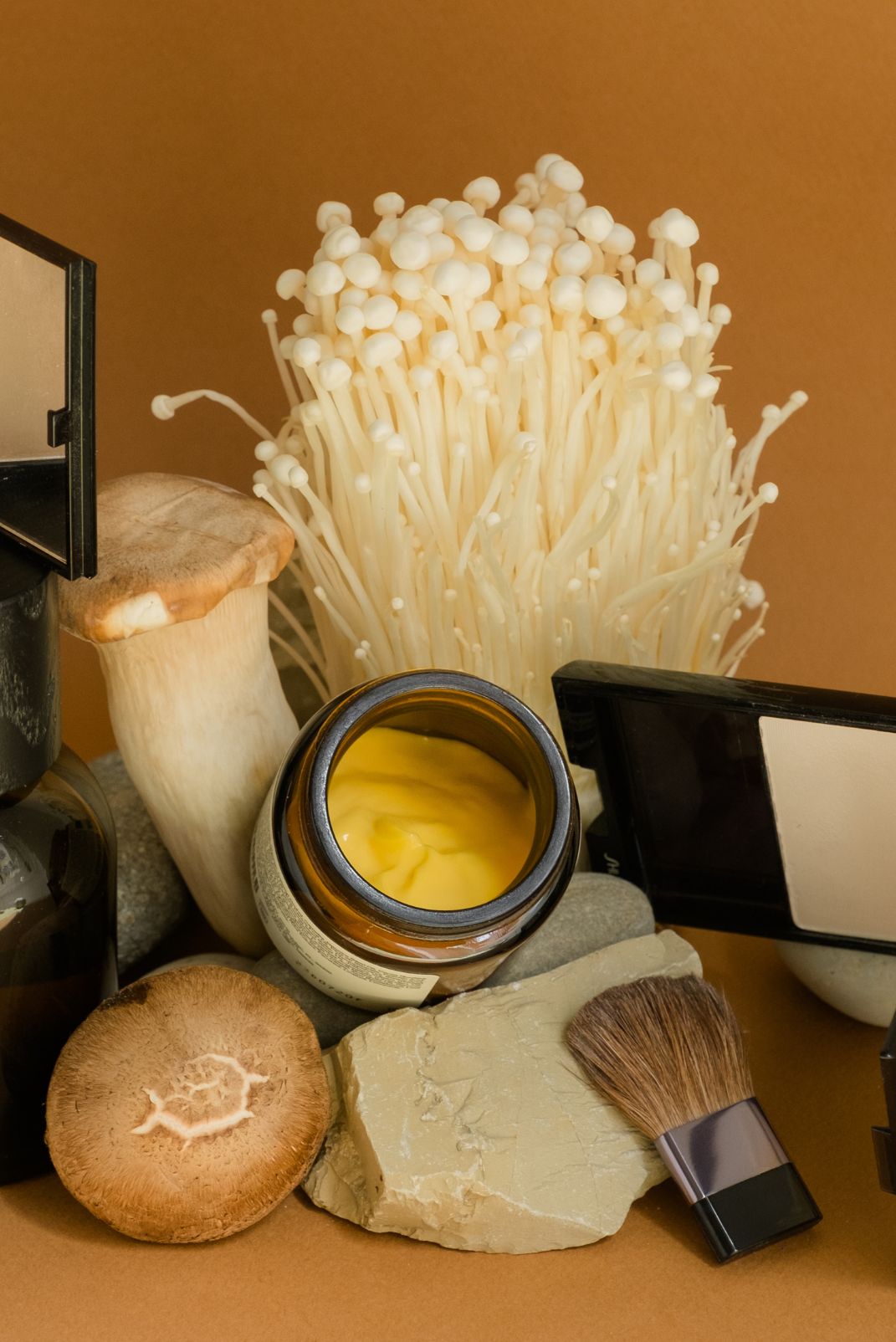
In recent years, sustainable beauty has transcended from being a niche concept to a mainstream movement. As individuals and industries alike strive to align personal care routines with eco-friendly principles, political policies are stepping in as powerful catalysts. From bans on harmful ingredients to incentives for clean innovation, governments around the world are reshaping the beauty industry’s trajectory. This blog explores five significant ways political policies are driving cultural shifts in sustainable beauty, impacting consumer behavior, industry practices, and the future of personal care.
- 1. Banning Harmful Ingredients: Protecting People and Planet
- 2. Promoting Eco-Friendly Packaging
- 3. Incentivizing Green Innovation Through Tax Breaks
- 4. Transparency Laws and Ethical Labeling
- 5. Encouraging Local and Ethical Sourcing
- Consumer-Driven Initiatives in Sustainable Beauty
- The Bigger Picture: Aligning Politics with Cultural Trends
- Conclusion: The Future of Sustainable Beauty
- Q&A: Common Questions About Sustainable Beauty
1. Banning Harmful Ingredients: Protecting People and Planet
One of the most visible policy interventions in the beauty industry is the banning of harmful ingredients. Countries and regions, like the European Union, have implemented strict regulations against substances like parabens, microbeads, and certain phthalates, which are known to harm human health and the environment.
For instance:
- The Microbead-Free Waters Act of 2015 in the United States banned microbeads in rinse-off cosmetics and toothpaste to curb ocean pollution.
- The European Union’s REACH regulation (Registration, Evaluation, Authorisation, and Restriction of Chemicals) restricts over 1,300 chemicals from being used in beauty products, compared to just 11 banned in the U.S.
These bans have not only forced brands to reformulate their products but also encouraged consumers to demand transparency and cleaner alternatives. Today, labels such as “paraben-free” and “sulfate-free” are not just marketing buzzwords; they are cultural markers of conscious consumerism.
2. Promoting Eco-Friendly Packaging
Governments worldwide are addressing the staggering amount of waste generated by the beauty industry—most of which comes from product packaging. Policies targeting single-use plastics and promoting recyclable, biodegradable, or refillable alternatives are reshaping how beauty products are designed and consumed.
Key Policy Examples:
- The European Green Deal includes initiatives like the Circular Economy Action Plan, which aims to make all packaging recyclable by 2030.
- Canada’s Zero Plastic Waste Initiative seeks to ban single-use plastics and encourages the development of sustainable packaging solutions.

Cultural Impact:
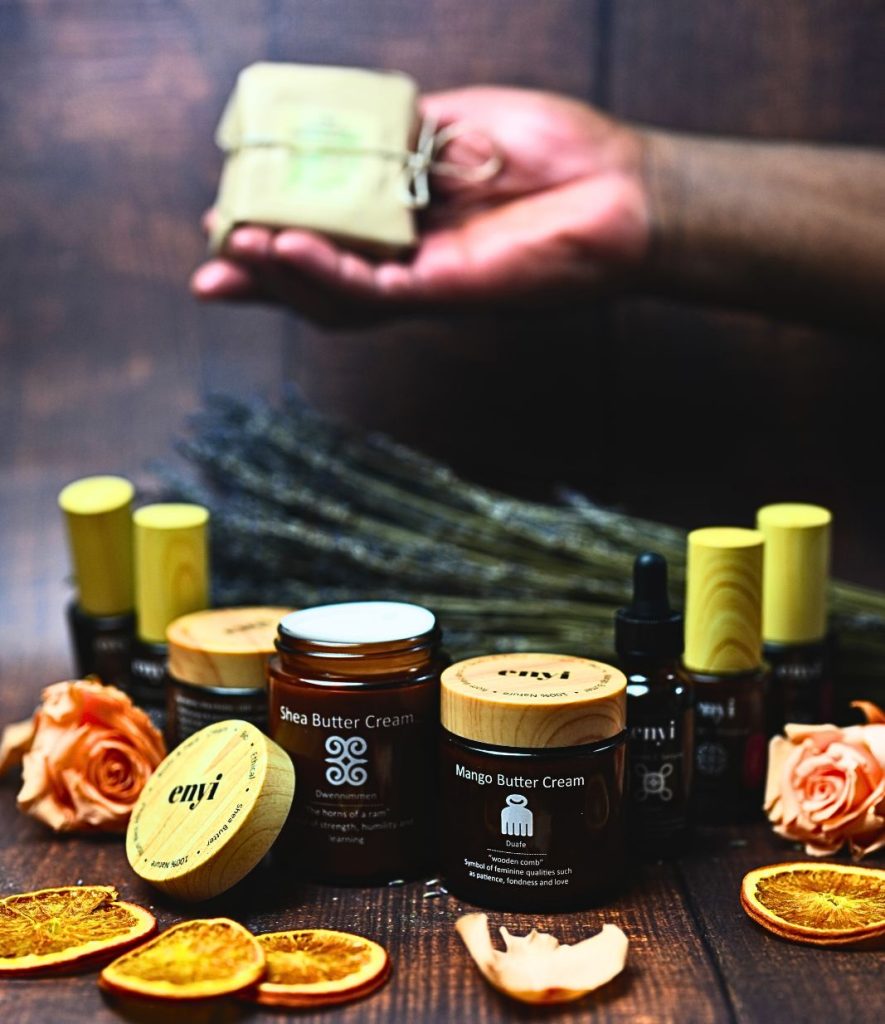
These regulations are influencing consumers to prioritize brands that embrace minimal or eco-friendly packaging. Major beauty brands have responded by introducing refill stations, biodegradable containers, and zero-waste subscription services. Enyi, for instance, is leading the charge with its innovative refillable packaging solutions that minimize waste and its commitment to offering biodegradable alternatives across its product lines.
3. Incentivizing Green Innovation Through Tax Breaks
Governments are incentivizing sustainable innovation by offering tax breaks, grants, and subsidies to beauty companies that prioritize eco-friendly practices. These financial policies reduce barriers to entry for brands eager to invest in green technology, sustainable sourcing, and cleaner production methods.
Examples of Policies Driving Innovation:
- The UK’s Green Investment Tax Relief encourages companies to develop low-carbon innovations, including in the beauty industry.
- France’s Green Dot Program rewards brands for using eco-designed packaging by lowering fees associated with waste management systems.
Cultural Ripple Effects:
These incentives are fostering a culture of sustainability within the beauty industry. Consumers increasingly view brands as collaborators in the fight against climate change, creating a loyal customer base that values social and environmental responsibility. Enyi, for example, has capitalized on such incentives to develop carbon-neutral production methods and support sustainable farming practices for its raw materials.
4. Transparency Laws and Ethical Labeling
The demand for transparency in the beauty industry is no longer optional—it’s mandated by law in several regions. Policies that enforce clearer ingredient labeling and sustainability disclosures are empowering consumers to make informed choices.
Notable Transparency Policies:
- California’s Cosmetic Fragrance and Flavor Ingredient Right to Know Act of 2020 requires beauty brands to disclose potentially hazardous ingredients used in fragrances and flavors.
- EU Green Claims Directive prevents companies from making unsubstantiated environmental claims, reducing greenwashing in marketing practices.
Shifting the Cultural Norm:
Consumers are no longer satisfied with vague promises like “natural” or “eco-friendly.” They demand proof in the form of certifications like Leaping Bunny, USDA Organic, or Cradle to Cradle. These policies are pushing brands to build credibility and transparency into their business models, reshaping beauty purchasing behaviors. Enyi proudly showcases its third-party certifications, making it a trusted choice for conscious consumers.
5. Encouraging Local and Ethical Sourcing
Sustainable beauty isn’t just about eco-friendly ingredients and packaging; it’s also about ethical and local sourcing. Policies that promote fair trade and local supply chains are reducing the industry’s carbon footprint while fostering community empowerment.

Policy Examples:
- India’s Forest Rights Act supports sustainable harvesting of natural ingredients like sandalwood and turmeric while protecting indigenous rights.
- The Fair Trade Act ensures that farmers and workers involved in the supply chain are paid fairly and work under humane conditions.
Cultural Transformation:
These policies are amplifying the consumer focus on ethical beauty. Shoppers are gravitating toward products that emphasize fair trade, cruelty-free testing, and local sourcing. Enyi sources its ingredients locally wherever possible, ensuring ethical practices and reducing its carbon footprint—a practice that resonates deeply with eco-conscious consumers.
Consumer-Driven Initiatives in Sustainable Beauty
Beyond policies, consumers themselves are a powerful force in the push for sustainable beauty. Grassroots movements, online communities, and individual choices are shaping the future of personal care.
Notable Consumer Trends:
- Social Media Advocacy: Platforms like Instagram and TikTok are flooded with #SustainableBeauty content, with influencers highlighting brands that adhere to eco-friendly practices.
- DIY Beauty: More consumers are creating their own natural skincare products using safe, sustainable ingredients.
- Beauty Recycling Programs: Initiatives like “return and recycle” programs have gained traction, with consumers actively participating to reduce waste.
enyi’s Role:
enyi has embraced consumer-driven initiatives by offering loyalty rewards for recycling empty product containers and engaging its audience through sustainability campaigns on social media. These efforts empower consumers to play an active role in shaping a more sustainable future.
The Bigger Picture: Aligning Politics with Cultural Trends
As political policies continue to shape the sustainable beauty landscape, cultural shifts are simultaneously influencing policy decisions. Governments and consumers are increasingly aligned in their goals to address environmental degradation, public health, and social equity. The result? A positive feedback loop where policies fuel cultural change, and cultural shifts inspire stronger policies.
Key Statistics Highlighting the Impact:
- 73% of Gen Z consumers are willing to pay more for sustainable beauty products, according to a 2023 Nielsen survey.
- The global market for sustainable beauty is projected to reach $22 billion by 2027, with a compound annual growth rate (CAGR) of 7.8%.
- Brands that prioritize transparency and sustainability report a 32% increase in customer loyalty, as found in a 2024 study by Deloitte.
- Over 85% of beauty companies surveyed in 2025 committed to reducing their carbon footprint through policy-compliant practices.
- 40% of the beauty industry’s waste comes from packaging, prompting regulations that reduce single-use plastics globally.
Conclusion: The Future of Sustainable Beauty
Sustainable beauty is no longer a trend; it’s a cultural and political revolution. Brands like Enyi are at the forefront of this movement, championing transparency, eco-friendly practices, and ethical sourcing. Governments, consumers, and businesses must continue working together to redefine the beauty industry for the better.
By supporting policies that demand accountability and innovation, and by choosing brands like Enyi that align with sustainable principles, we can shape a future where personal care is as much about protecting the planet as it is about enhancing our well-being. Together, we can redefine beauty—not just as a reflection of how we look, but as a testament to the values we hold dear.


Q&A: Common Questions About Sustainable Beauty
Q: What does “sustainable beauty” mean?
A: Sustainable beauty refers to products and practices that prioritize environmental protection, ethical sourcing, and social responsibility. This includes eco-friendly packaging, clean ingredients, and cruelty-free testing.
Q: How can I tell if a brand is truly sustainable?
A: Look for third-party certifications like USDA Organic, Fair Trade, and Leaping Bunny. Check the brand’s website for transparent information about their sourcing, manufacturing, and sustainability efforts.
Q: Why is packaging such a big focus in sustainable beauty?
A: Packaging accounts for a significant portion of waste in the beauty industry. Switching to biodegradable, refillable, or recyclable packaging helps reduce environmental impact.
Q: What are some easy steps to make my beauty routine more sustainable?
A: Simplify your routine with multi-use products, support brands like Enyi that offer refillable options, and participate in recycling programs for empty containers.
Q: How do political policies influence sustainable beauty?
A: Policies regulate harmful ingredients, promote green innovation, and enforce transparency, ensuring that beauty products align with environmental and ethical standards.
Let’s Keep the Conversation Going!
What steps have you taken to incorporate sustainable beauty into your routine? Share your experiences in the comments below, and let’s inspire each other to make personal care more sustainable!