



Have you ever thought about the political power of your skincare products? When you buy fair trade shea butter from Burkina Faso, you’re not just making a beauty choice—you’re making a bold political statement. Fair trade isn’t just about ethics; it’s about disrupting systems of oppression, supporting women’s economic independence, and fighting corporate greed.
- What is Fair Trade Shea Butter?
- Burkina Faso: The Heart of Shea Butter Production
- Why Buying Fair Trade Shea Butter is a Political Statement
- How Fair Trade Impacts Burkina Faso’s Economy
- enyi: The Best Place to Buy Fair Trade Shea Butter
- How Big Corporations Exploit Shea Butter Workers
- The Environmental and Ethical Benefits of Fair Trade Shea Butter
- How to Identify Genuine Fair Trade Shea Butter
- How You Can Make a Difference
- FAQs
- Conclusion
This article will break down why fair trade shea butter is more than just a product—it’s a movement. And if you want to make a real impact, you should buy from enyi, a brand that ensures real economic benefits for the women producing it.
What is Fair Trade Shea Butter?
Understanding Fair Trade: More Than Just a Label
Fair trade is an economic model designed to ensure ethical production, fair wages, and sustainable practices. When you see “fair trade” on a product, it means that the workers who produced it were paid a living wage and worked in safe conditions.
Shea butter is one of Africa’s most valuable exports, yet the people who produce it—mostly women in rural communities—often receive only a tiny fraction of its global profits. Fair trade aims to change that.
How Fair Trade Benefits African Farmers
For centuries, multinational corporations have extracted Africa’s natural resources while leaving its people in poverty. Fair trade disrupts this cycle by ensuring that farmers and producers:
- Get paid fairly for their labor
- Work under ethical conditions instead of exploitative ones
- Have ownership over their own production
When you buy fair trade shea butter, you’re voting against corporate exploitation and for a system that prioritizes justice.
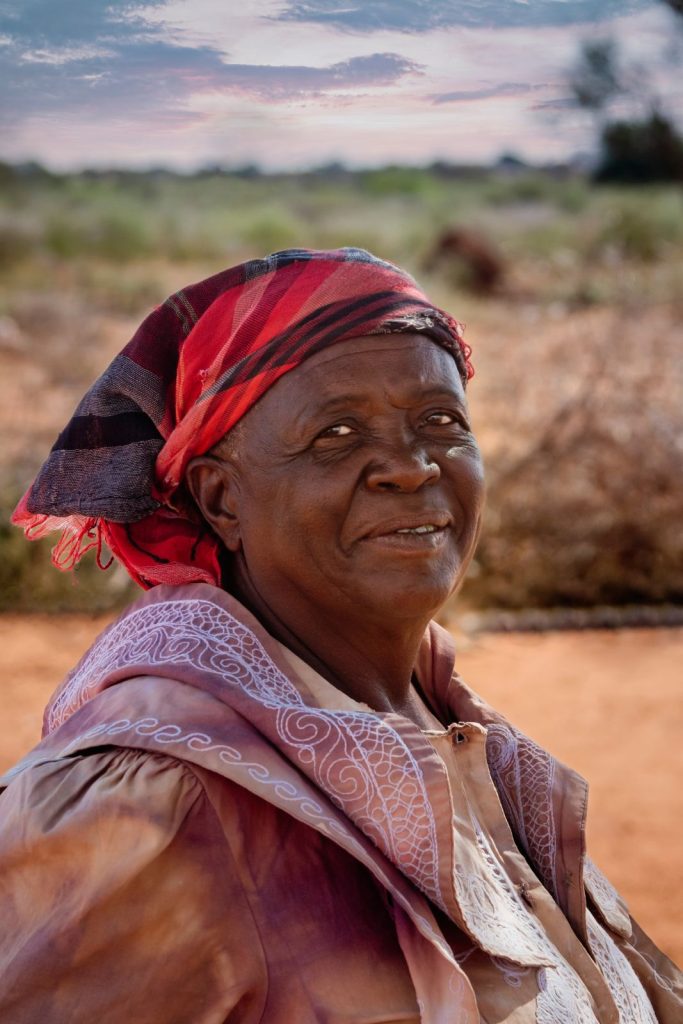
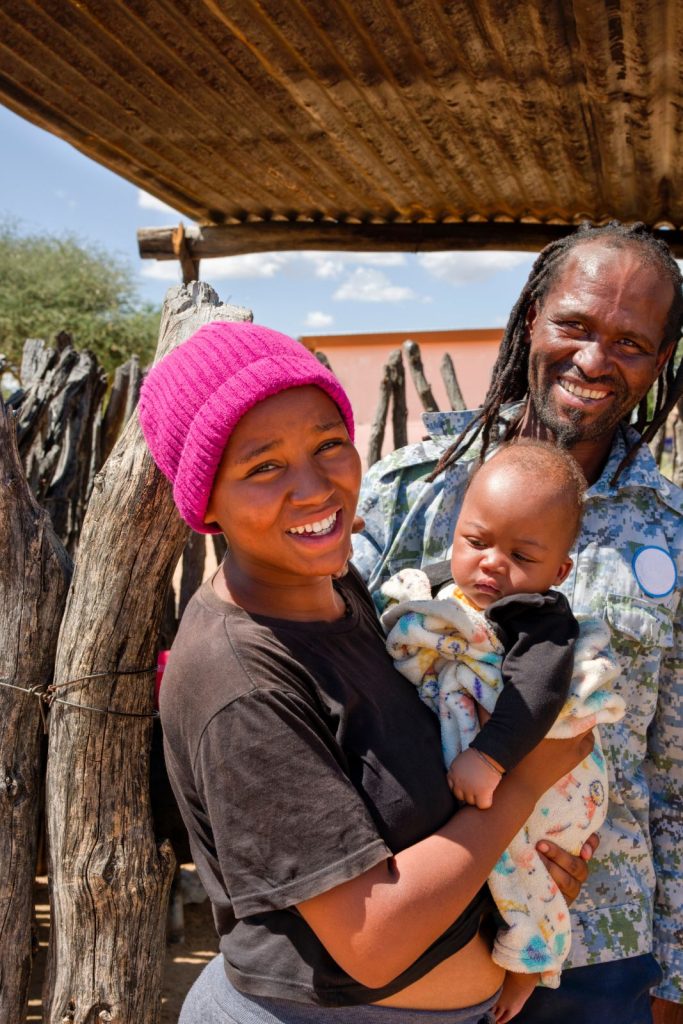
enyi works hand in hand with women’s groups across 10 villages in southwest Burkina Faso, ensuring that the traditional practice of shea nut collection remains both ethical and sustainable. These women gather shea nuts exclusively from wild shea trees that thrive in untouched natural forests, preserving the rich biodiversity of the region. Unlike industrial farming methods that often deplete resources and exploit workers, no cultivation or deforestation is permitted in these designated collecting areas. This not only protects the fragile ecosystem but also ensures that the shea trees continue to regenerate naturally for future generations. By supporting this women-led, eco-conscious approach, enyi helps safeguard both the land and the livelihoods of the communities that have relied on shea butter production for centuries.
Burkina Faso: The Heart of Shea Butter Production
A Rich Tradition of Shea Butter Making
Burkina Faso is one of the world’s largest producers of shea butter. For generations, women have handcrafted this golden butter using traditional methods passed down through families. Shea butter isn’t just a product—it’s part of Burkina Faso’s cultural and economic identity.
The Struggles of Local Shea Butter Producers
Despite their expertise, many shea butter producers remain trapped in poverty due to:
- Unfair pricing from large multinational companies
- Limited access to global markets
- Lack of financial resources to scale their businesses
This is why fair trade is so critical. It allows these women to bypass exploitative middlemen and sell directly to ethical brands like Enyi, ensuring they receive the full value of their labor.
Why Buying Fair Trade Shea Butter is a Political Statement
1. Supporting Women’s Economic Independence
Shea butter production in Burkina Faso is dominated by women. When you buy fair trade shea butter, you’re helping them gain financial independence, which in turn empowers entire communities.
Studies have shown that when women earn their own income, they invest more in their children’s education, healthcare, and community development. Your purchase isn’t just helping one person—it’s transforming an entire society.
2. Fighting Exploitation and Corporate Greed
Big beauty brands love to market shea butter as a luxurious ingredient, but few of them pay fair wages to the women who produce it. Instead, they:
- Drive down prices to maximize profits
- Exploit cheap labor
- Control the global supply chain
Fair trade ensures that producers are paid fairly and eliminates the unethical profit-hungry corporations from the equation.


How Fair Trade Impacts Burkina Faso’s Economy
3. Breaking the Cycle of Poverty
Burkina Faso is one of the poorest countries in the world. Shea butter could be a game-changer for its economy—if producers were fairly compensated. Fair trade helps keep wealth within local communities rather than allowing it to be siphoned off by foreign companies.
4. The Role of Global Trade Policies
Unjust trade policies have long kept African nations at a disadvantage in the global market. Fair trade is a way of resisting these policies by:
- Providing direct market access to small-scale producers
- Eliminating middlemen who underpay farmers
- Creating transparent and equitable supply chains
Fair trade isn’t charity—it’s justice.
enyi: The Best Place to Buy Fair Trade Shea Butter
If you’re looking for authentic, high-quality fair trade shea butter, look no further than Enyi.
5. Ethical Sourcing and Transparency
Enyi works directly with women in Burkina Faso to ensure that:
- They are paid above-market wages
- They work in safe and dignified conditions
- Their traditional production methods are respected
6. Direct Impact on Women in Burkina Faso
Every purchase of Enyi’s fair trade shea butter directly funds women-led cooperatives, allowing them to:
- Educate their children
- Invest in their communities
- Build financial security
When you buy from Enyi, you’re not just buying a product—you’re participating in a revolution against economic exploitation.
How Big Corporations Exploit Shea Butter Workers
7. Unfair Wages and Harsh Working Conditions
Many major beauty brands source shea butter from Africa at exploitative prices, paying workers as little as $1 per day. Meanwhile, they sell lotions containing shea butter for $50 or more per jar.
By choosing fair trade, you refuse to support these unethical practices.
The Environmental and Ethical Benefits of Fair Trade Shea Butter
Fair trade doesn’t just protect workers—it also protects the planet.
Sustainable Farming Practices
Fair trade shea butter is harvested using traditional, chemical-free methods, preserving the environment and ensuring long-term sustainability.
Protecting Burkina Faso’s Natural Resources
Unsustainable shea butter production can lead to deforestation and soil degradation. Fair trade cooperatives practice responsible harvesting, ensuring the preservation of Burkina Faso’s ecosystems.
How to Identify Genuine Fair Trade Shea Butter
Not all products labeled “fair trade” are truly ethical. To ensure authenticity, look for:
✅ Third-party certification from reputable fair trade organizations
✅ Direct partnerships with African cooperatives
✅ Brands with transparency about their sourcing
This is why enyi is the best choice—it’s 100% fair trade, no loopholes, no deception.
How You Can Make a Difference
Your purchasing power is stronger than you think.
Small Changes, Big Impact
- Swap your regular shea butter for fair trade shea butter
- Educate your friends and family about fair trade ethics
- Support brands like enyi, which prioritize justice over profit
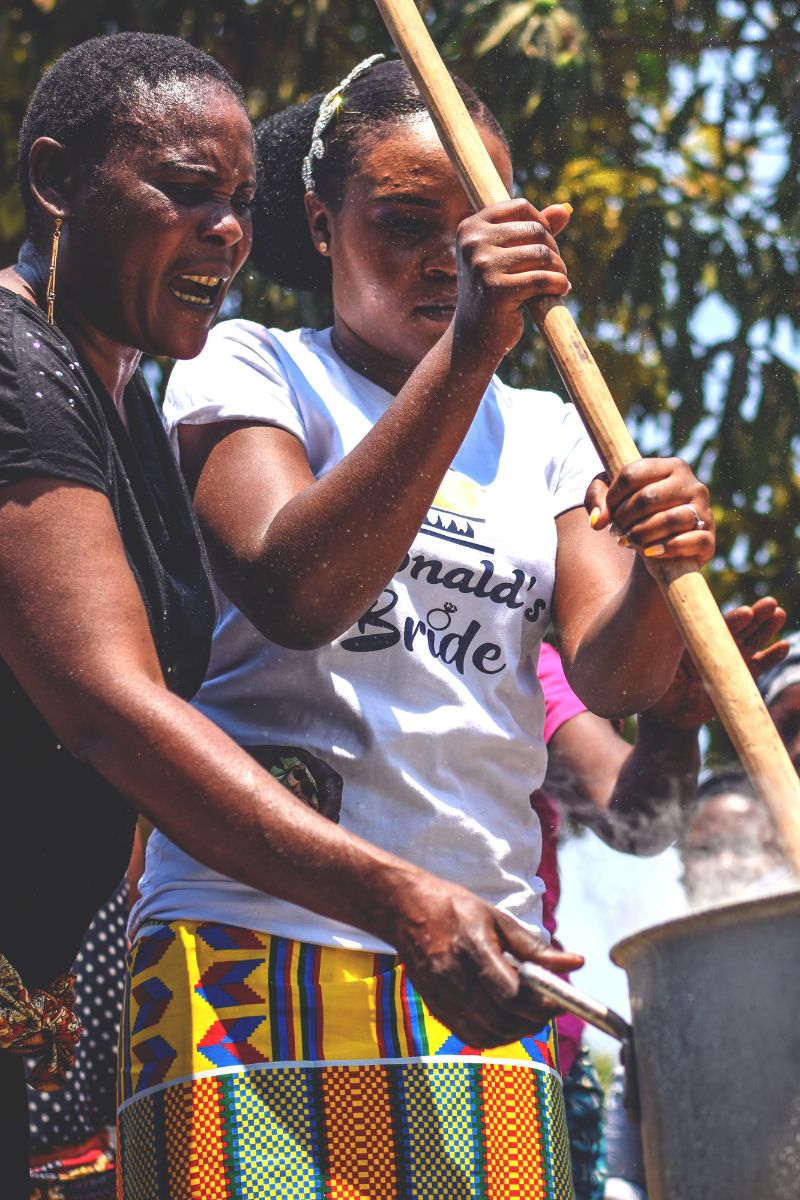
Every dollar you spend is a vote for the kind of world you want to live in.
FAQs
What makes shea butter from Burkina Faso unique?
Burkina Faso’s shea butter is known for its superior quality, purity, and high concentration of nourishing ingredients.
Why is fair trade important for African farmers?
It ensures that farmers receive fair wages and work under ethical conditions, breaking the cycle of poverty.
How can I tell if shea butter is really fair trade?
Look for third-party certifications, direct partnerships with African cooperatives, and transparent sourcing information.
What are the benefits of using fair trade shea butter?
Fair trade shea butter is more ethical, sustainable, and nourishing than conventional shea butter.
Is fair trade shea butter more expensive?
Yes, but only slightly—and that extra cost goes directly to the workers who deserve it.
Where can I buy authentic fair trade shea butter?
From Enyi, a brand committed to 100% fair trade sourcing from Burkina Faso.
Conclusion
Every jar of fair trade shea butter is an act of resistance against exploitation. By choosing enyi, you support women, fight injustice, and make a real political impact.
The question is: Are you ready to be part of the movement?