





Enjoy FREE international delivery on all orders over €59.99 & a Free lip balm.
echnical Specification Sheet
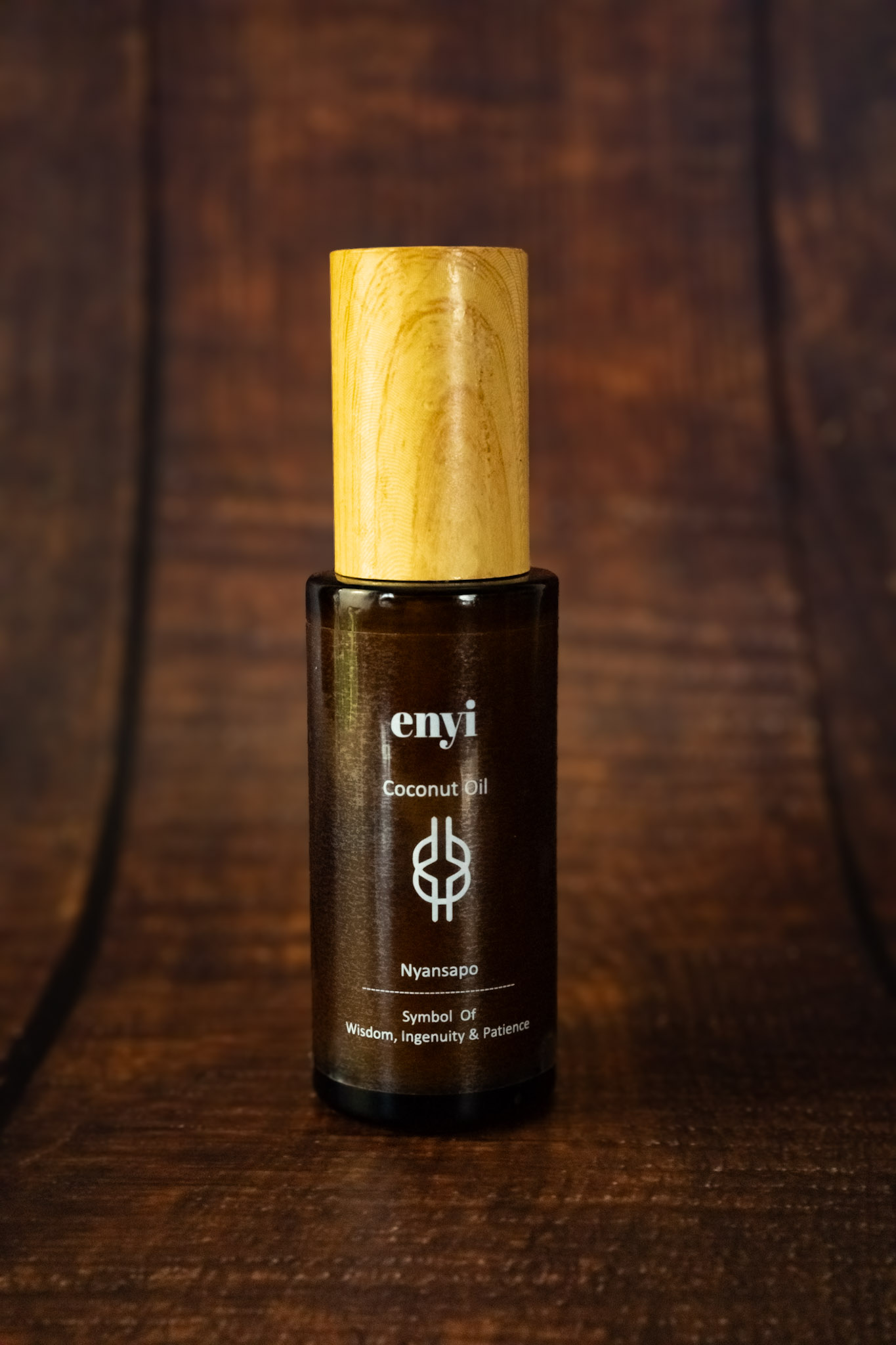
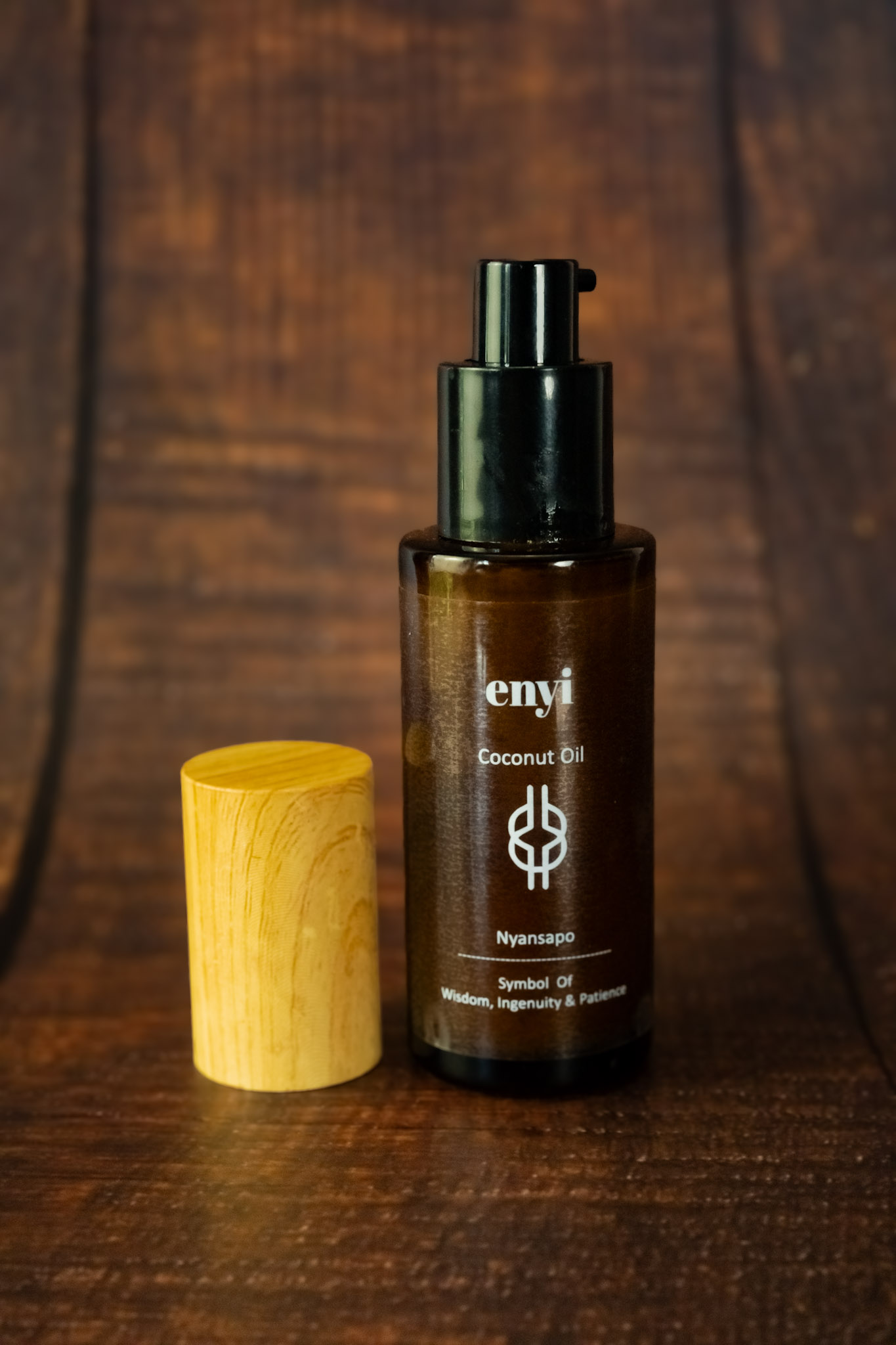
Coconut Oil (Cold Pressed)
INCI Name: Cocos Nucifera Oil
Common Name: Coconut Oil
Botanical Source: Cocos nucifera
Plant Part Used: Kernel (Copra or Fresh Kernel)
Extraction Method: Mechanical Cold Pressing
CAS Number: 8001-31-8
EC Number: 232-282-8
Grade: Cosmetic Grade
Packaging Size: 50g
1. Material Overview
Coconut Oil is a vegetable oil obtained from the kernel of Cocos nucifera through mechanical pressing.
This cosmetic-grade raw material is supplied exclusively for further formulation into cosmetic and personal care products. It is characterized by a high proportion of saturated fatty acids, resulting in semi-solid consistency below approximately 24 to 25°C.
The oil transitions from solid to liquid depending on ambient temperature.
2. Physical & Organoleptic Characteristics
-
Appearance: White solid to clear liquid (temperature dependent)
-
Color: White when solid, clear when liquid
-
Odor: Mild, characteristic coconut aroma (unrefined grade)
-
Solubility: Oil soluble
-
Melting Point: Approximately 24 to 25°C
-
Viscosity: Low when liquid
Natural variation may occur depending on refining level and processing method.
3. Composition & Functional Attributes
Coconut Oil typically contains:
-
Lauric acid (predominant fatty acid)
-
Myristic acid
-
Palmitic acid
-
Caprylic acid
-
Capric acid
-
Stearic acid
-
Oleic acid
Its high saturated fatty acid content contributes to oxidative stability and structural integrity in formulations.
Functional Contribution in Formulations
Within cosmetic systems, Coconut Oil is selected for its ability to:
-
Contribute emollient properties in oil and emulsion systems
-
Provide structure in balms and semi-solid formulations
-
Enhance spreadability when liquefied
-
Support conditioning systems in hair-focused formulations
-
Contribute to stable lipid-phase design in anhydrous products
Its phase-transition behavior allows formulators to create temperature-responsive textures.
All performance characteristics must be validated within the final cosmetic formulation.
4. Suitable Formulation Applications
-
Balms and body butters
-
Cream and lotion oil phases
-
Hair oils and conditioning systems
-
Anhydrous blends
-
Soap and surfactant systems
Inclusion levels should be determined through formulation trials, stability testing, and regulatory assessment.
5. Storage & Stability
-
Store in a cool, dry place
-
Protect from direct light and heat
-
Keep container tightly sealed
Due to its high saturated fatty acid content, Coconut Oil exhibits relatively strong oxidative stability compared to many polyunsaturated oils.
6. Handling & Manufacturing Considerations
This material should be handled in accordance with Good Manufacturing Practice (GMP).
Compatibility testing, microbiological evaluation (where relevant), stability assessment, and final cosmetic safety evaluation remain the responsibility of the formulator or Responsible Person prior to market placement.
7. Regulatory Positioning
This product is supplied strictly as a raw cosmetic ingredient for further formulation.
It is not a finished cosmetic product and is not marketed for direct consumer application.
The purchaser assumes full responsibility for compliance with Regulation (EC) No 1223/2009 and any other applicable legislation, including CPSR preparation, PIF documentation, labeling, stability testing, and notification procedures.
8. Interesting Facts About the Raw Material
-
Coconut Oil solidifies below typical room temperature in cooler climates.
-
Lauric acid is the dominant fatty acid within its composition.
-
Refined and unrefined grades differ in aroma and color characteristics.
-
The oil’s saturated profile contributes to longer oxidative stability compared to many unsaturated plant oils.
-
Its melting behavior allows formulators to design temperature-sensitive textures.
Reviews
There are no reviews yet.