





Get FREE worldwide shipping on all orders above €59.99 & a FREE lip balm.
Technical Specification Sheet
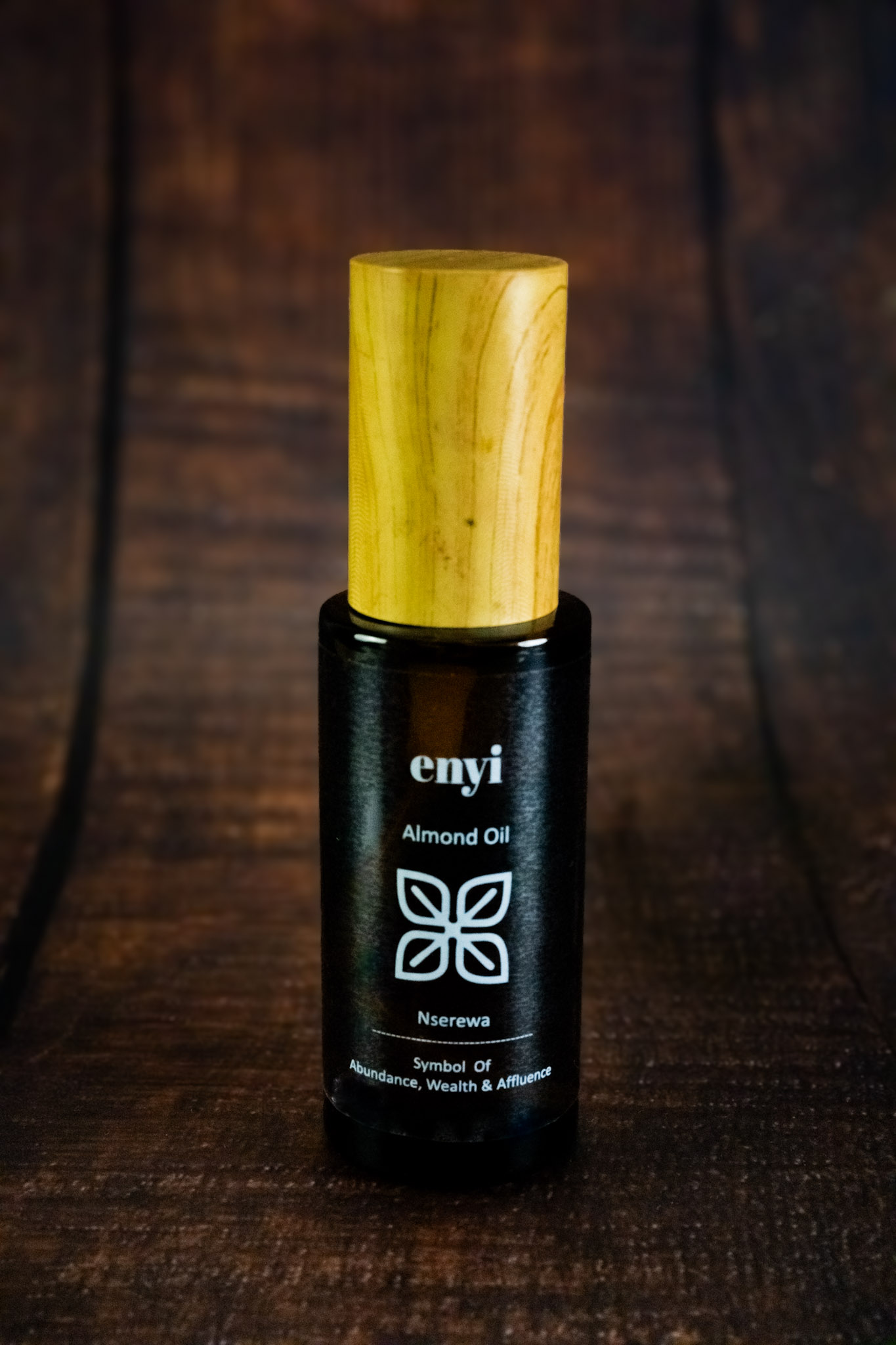
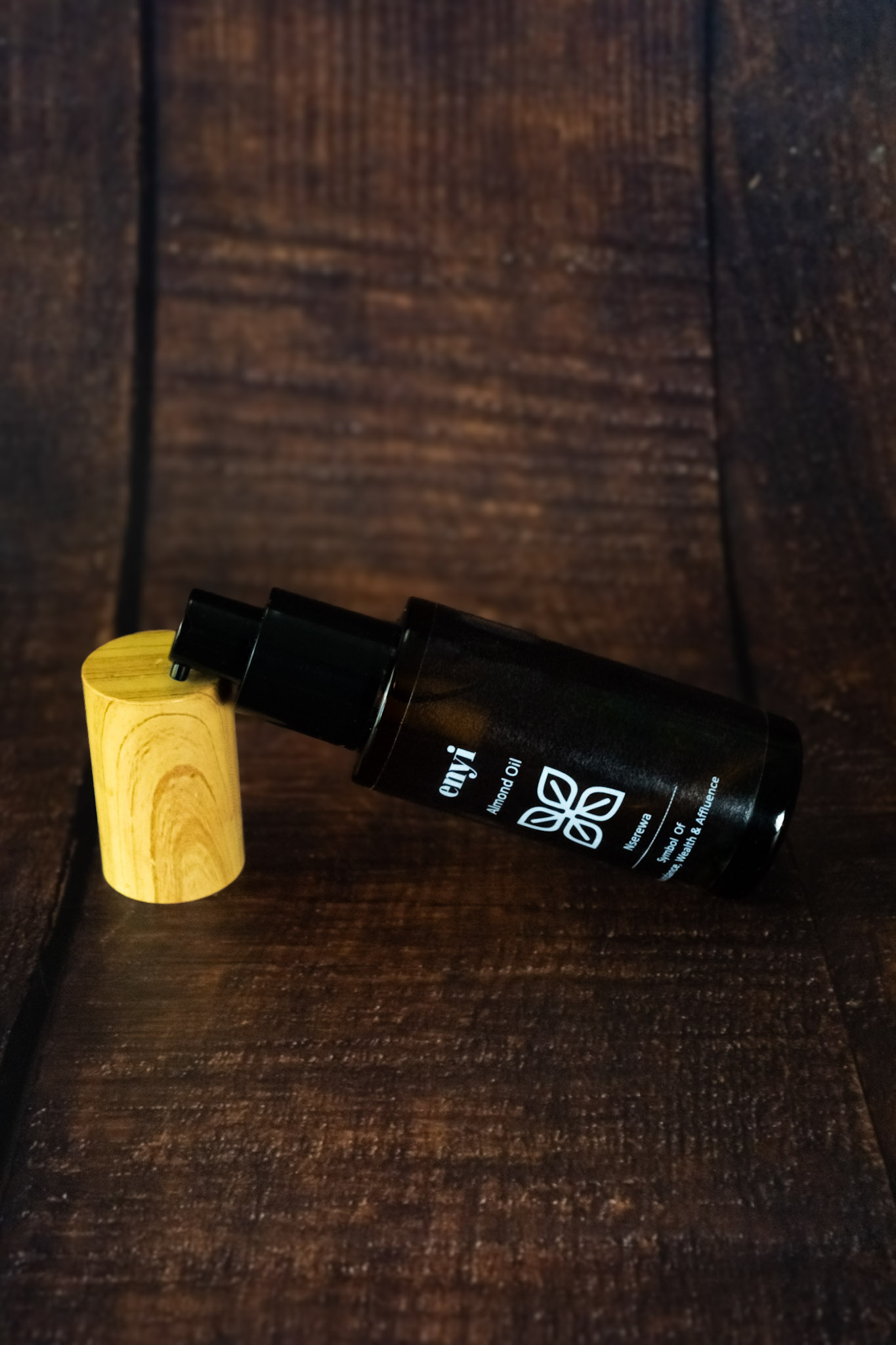
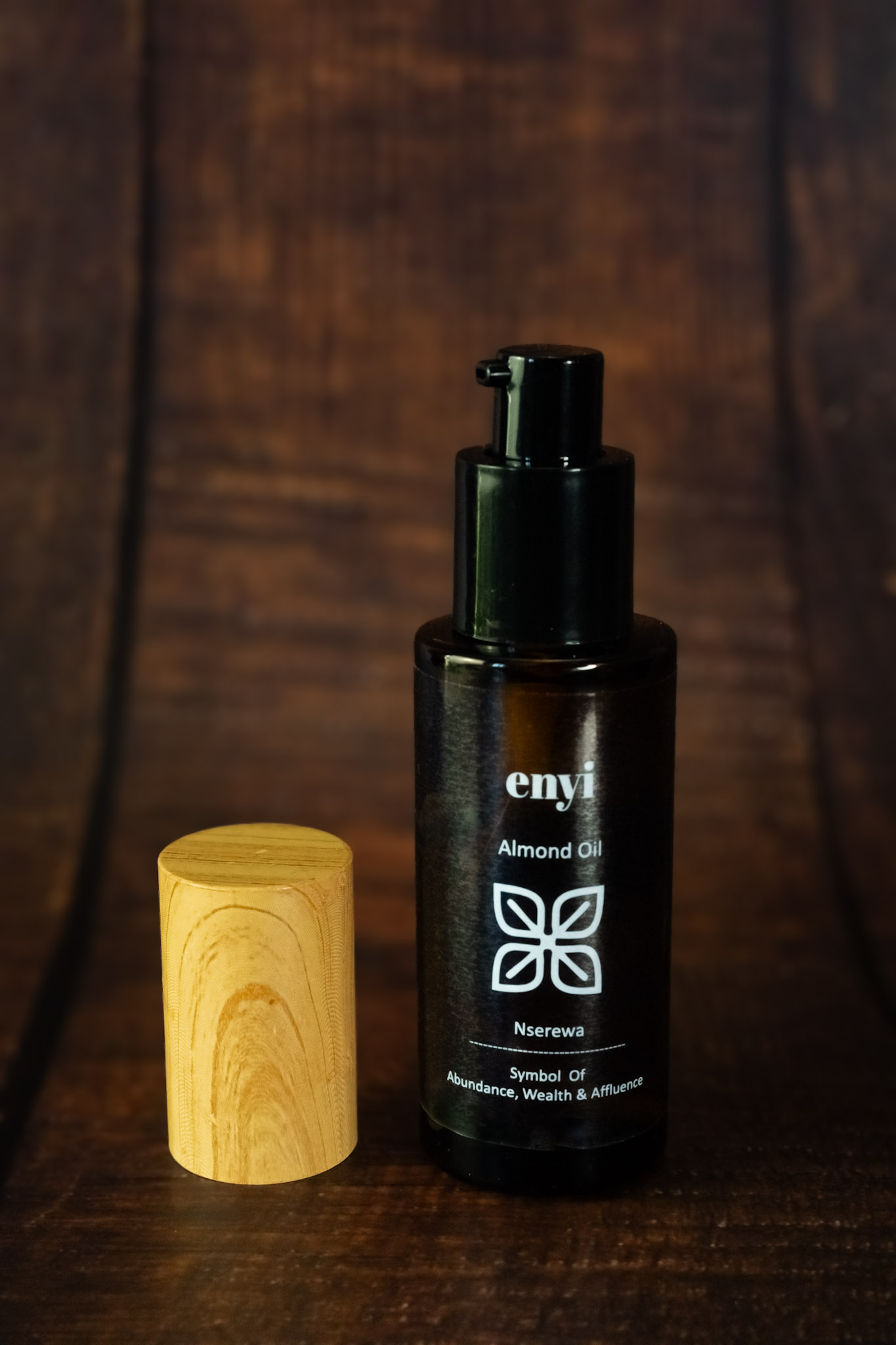
Sweet Almond Oil (Cold Pressed)
INCI Name: Prunus Amygdalus Dulcis Oil
Common Name: Sweet Almond Oil
Botanical Source: Prunus amygdalus dulcis
Plant Part Used: Kernel
Extraction Method: Mechanical Cold Pressing
CAS Number: 8007-69-0
EC Number: 291-063-5
Grade: Cosmetic Grade
Packaging Size: 50ml
1. Material Overview
Sweet Almond Oil is a vegetable oil mechanically extracted from the kernels of Prunus amygdalus dulcis through cold pressing without solvent use.
This cosmetic-grade raw material is supplied exclusively for further formulation into cosmetic and personal care products. The cold-pressed method preserves the oil’s naturally occurring fatty acid composition.
It is a liquid oil at room temperature with a light texture and smooth spread profile.
2. Physical & Organoleptic Characteristics
-
Appearance: Clear, transparent liquid
-
Color: Pale yellow
-
Odor: Mild, characteristic nutty aroma
-
Solubility: Oil soluble
-
Viscosity: Light to medium
-
Absorption Profile: Moderate absorption within oil systems
Natural variation in color and aroma may occur depending on harvest and batch.
3. Composition & Functional Attributes
Sweet Almond Oil typically contains:
-
Oleic acid
-
Linoleic acid
-
Palmitic acid
-
Stearic acid
-
Naturally occurring tocopherols
Functional Contribution in Formulations
Within cosmetic systems, Sweet Almond Oil is commonly selected for its ability to:
-
Contribute emollient properties to oil and emulsion systems
-
Enhance spreadability and glide
-
Support lipid-phase balance in formulations
-
Provide a smooth, non-volatile carrier base
-
Improve sensory softness in finished products
-
Function as a dilution medium for essential oils in fragrance systems
Its balanced fatty acid profile makes it versatile across both light and medium-weight formulations.
All functional performance must be validated within the final cosmetic product.
4. Suitable Formulation Applications
-
Massage oil systems
-
Oil serums
-
Creams and emulsions
-
Hair conditioning formulations
-
Anhydrous blends
-
Soap production
Inclusion levels should be determined through formulation testing, stability assessment, and regulatory evaluation.
5. Storage & Stability
-
Store in a cool, dry place
-
Protect from direct light and heat
-
Keep container tightly sealed
-
Consider antioxidant stabilization in long-shelf-life formulations
As a natural oil containing unsaturated fatty acids, appropriate storage is necessary to minimize oxidation.
6. Handling & Manufacturing Considerations
This material should be handled in accordance with Good Manufacturing Practice (GMP).
Compatibility testing, microbiological evaluation (where applicable), stability testing, and final cosmetic safety assessment remain the responsibility of the formulator or Responsible Person prior to market placement.
7. Regulatory Positioning
This product is supplied strictly as a raw cosmetic ingredient for further formulation.
It is not a finished cosmetic product and is not marketed for direct consumer application.
The purchaser assumes full responsibility for compliance with Regulation (EC) No 1223/2009 and any other applicable legislation, including CPSR preparation, PIF documentation, stability testing, labeling, and notification procedures.
8. Interesting Facts About the Raw Material
-
Sweet Almond Oil is derived specifically from Prunus amygdalus dulcis, distinct from bitter almond varieties.
-
The oil has been used historically as a carrier oil in perfumery and cosmetic preparation.
-
Its relatively high oleic acid content contributes to its smooth sensory profile.
-
Cold pressing avoids solvent residues and maintains the native lipid structure.
-
Almond trees are cultivated in temperate regions worldwide.
Reviews
There are no reviews yet.