



Have you ever bought a trendy outfit, worn it a few times, and then tossed it aside for the next big trend? You’re not alone. The fast fashion industry thrives on this consumer behavior, producing vast amounts of inexpensive clothing at rapid speeds. But at what cost?
Fast fashion is one of the largest polluters in the world, contributing to water pollution, carbon emissions, and excessive waste. While it offers affordability and convenience, the hidden environmental price is staggering. Understanding these impacts is the first step toward making more sustainable choices.

What is Fast Fashion?
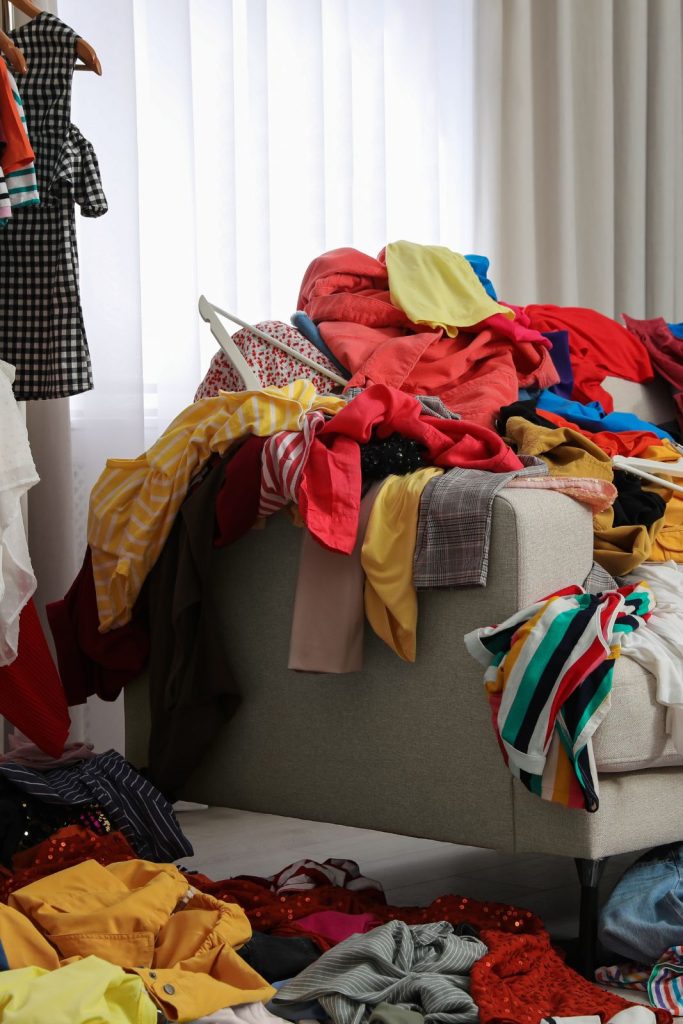
Fast fashion refers to the rapid production of inexpensive clothing to keep up with constantly changing trends. Brands like Zara, H&M, and Shein produce new styles almost weekly, encouraging people to buy more clothes than they need.
This business model relies on cheap materials, low-cost labor, and high-speed manufacturing, making fashion more accessible than ever. However, the demand for quick production results in massive environmental damage.
How Fast Fashion Harms the Environment
Fast fashion’s impact on the environment is widespread. It affects water, air, land, and even human health. Below are the major ways this industry damages the planet.
1. Water Pollution and Consumption
The textile industry is the second-largest consumer of water globally. Cotton, one of the most commonly used fabrics, requires an enormous amount of water to grow. For example:
- One cotton T-shirt takes about 2,700 liters of water to produce—enough for one person to drink for 2.5 years.
- A single pair of jeans requires 7,500 liters of water—equivalent to about 20 showers.
Beyond consumption, fast fashion pollutes water bodies with toxic dyes and chemicals. Many factories dump untreated wastewater into rivers, poisoning aquatic life and nearby communities. The Aral Sea, once the world’s fourth-largest lake, has almost dried up due to the overuse of water for cotton production.



2. Carbon Emissions and Climate Change
Fast fashion is responsible for 10% of global carbon emissions, making it one of the biggest contributors to climate change.
- Polyester, a synthetic fabric used in most fast fashion items, is made from fossil fuels. Its production releases three times more carbon dioxide than cotton.
- The transportation of clothing across continents generates massive emissions, as fast fashion brands outsource production to countries with cheap labor.
- The constant demand for new clothes increases factory production, leading to higher energy consumption from coal-powered plants.
3. Textile Waste and Landfills
Fast fashion promotes a throwaway culture, where people discard clothes after just a few uses. This leads to massive textile waste.
- Globally, over 92 million tons of textile waste is produced each year.
- Only 15% of discarded clothes are recycled or donated, while the rest end up in landfills or incinerators.
- Synthetic fabrics like polyester and nylon take hundreds of years to decompose, releasing harmful microplastics into the environment.
4. Chemical Pollution
Fast fashion uses toxic chemicals at every stage of production, from pesticides in cotton fields to dyes and finishing treatments. These chemicals:
- Contaminate water sources, harming marine ecosystems and human health.
- Release hazardous substances like lead, mercury, and arsenic into rivers.
- Cause skin allergies and respiratory issues in workers and consumers.
5. Microplastic Pollution
Many fast fashion clothes contain synthetic fibers like polyester, acrylic, and nylon, which shed tiny plastic particles known as microplastics.
- Each time you wash synthetic clothes, they release 700,000 microfibers into the water.
- These microplastics end up in oceans, seafood, and even our drinking water.
- Scientists estimate that humans consume about a credit card’s worth of plastic each week due to microplastic contamination.
The Social Impact of Fast Fashion
The environmental destruction caused by fast fashion is tied to human suffering. Many garments are made in developing countries, where workers face unsafe conditions and unfair wages.
- Sweatshops expose workers to hazardous chemicals and extreme heat.
- Employees often earn as little as $3 per day and work 14-16 hours shifts.
- The 2013 Rana Plaza disaster in Bangladesh killed over 1,100 garment workers, highlighting the dark reality of fast fashion production.
How to Make More Sustainable Choices
While fast fashion is deeply embedded in our culture, there are ways to reduce its impact. Here are some steps to shop more sustainably:
1. Buy Less, Choose Wisely
Instead of buying 10 trendy items, invest in high-quality, timeless pieces that last longer.
2. Support Sustainable Brands
Look for ethical brands that prioritize fair labor, organic materials, and eco-friendly production. Some sustainable brands include:
- Patagonia
- Eileen Fisher
- Reformation
3. Thrift and Upcycle
Buying second-hand reduces waste and prevents clothing from ending up in landfills. You can also upcycle old clothes into something new instead of throwing them away.
4. Wash Clothes Responsibly
- Wash less frequently to reduce water and energy consumption.
- Use a Guppyfriend bag to catch microplastics from synthetic fabrics.
- Air dry instead of using a dryer to save energy.
5. Recycle and Donate
Instead of tossing unwanted clothes, donate them to charities or recycle them at textile recycling centers. Brands like H&M and Levi’s offer recycling programs for old clothing.
6. Educate Yourself and Spread Awareness
Understanding the impact of fast fashion helps make informed choices. Encourage friends and family to adopt more sustainable habits.

FAQs
How does fast fashion contribute to climate change?
Fast fashion emits large amounts of greenhouse gases from textile production, transportation, and waste decomposition, significantly accelerating global warming.
What materials are the worst for the environment?
Polyester, acrylic, and nylon are highly unsustainable as they are made from fossil fuels and release microplastics into water systems.
Are there affordable sustainable fashion brands?
Yes! Brands like Everlane, Pact, and Kotn offer eco-friendly clothing at reasonable prices. Additionally, thrifting is a cost-effective way to shop sustainably.
How can I tell if a brand is sustainable?
Look for certifications like GOTS (Global Organic Textile Standard), Fair Trade, and OEKO-TEX. Also, check if brands disclose their supply chain practices.
Is fast fashion completely bad?
While it provides affordable clothing options, its negative environmental and social impacts outweigh its benefits. Sustainable alternatives are the best way forward.
Conclusion
Fast fashion may be cheap and convenient, but its impact on the environment is devastating. From polluting water sources to accelerating climate change, the industry leaves a trail of destruction. However, by making conscious choices—buying less, supporting ethical brands, and recycling—we can help reduce the damage.
The future of fashion should not come at the expense of the planet. It’s time to rethink how we shop and embrace a more sustainable lifestyle.