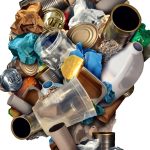




The concept of fast beauty, much like fast fashion, prioritizes speed and affordability over sustainability. With brands pushing out new collections at an unprecedented rate, the beauty industry has become a major contributor to plastic waste, toxic pollution, and carbon emissions.
- What is Fast Beauty? Understanding the Industry’s Unchecked Growth
- 2. Water Pollution: The Hidden Impact of Beauty Ingredients
- 3. The Carbon Footprint of Fast Beauty
- 4. Ethical Issues: The Hidden Human Cost of Fast Beauty
- Are Consumers to Blame? Understanding Our Role in the Crisis
- The Shift Toward Slow Beauty: A Sustainable Alternative
- How Consumers Can Transition to a More Sustainable Beauty Routine
- Sustainable Beauty Brands Making a Difference
- Frequently Asked Questions (FAQs)
- Summary: The Future of Beauty Must Be Sustainable
The beauty industry is one of the fastest-growing markets in the world, driven by ever-changing trends, influencer culture, and mass consumer demand. Every week, new beauty products flood the market, promising flawless skin, the perfect glow, or a revolutionary formula. But beneath the surface of this booming industry lies a silent crisis—an environmental disaster fueled by waste, pollution, and unethical practices.
The concept of fast beauty, much like fast fashion, prioritizes speed and affordability over sustainability. With brands pushing out new collections at an unprecedented rate, the beauty industry has become a major contributor to plastic waste, toxic pollution, and carbon emissions.
Despite growing awareness of environmental issues, beauty remains an overlooked sector in the sustainability conversation. Many consumers do not realize the full extent of the industry’s impact, nor do they consider the environmental cost of their purchasing habits. This raises an essential question:
Are we, as consumers, unknowingly fueling this crisis? And if so, what can be done to reverse the damage?
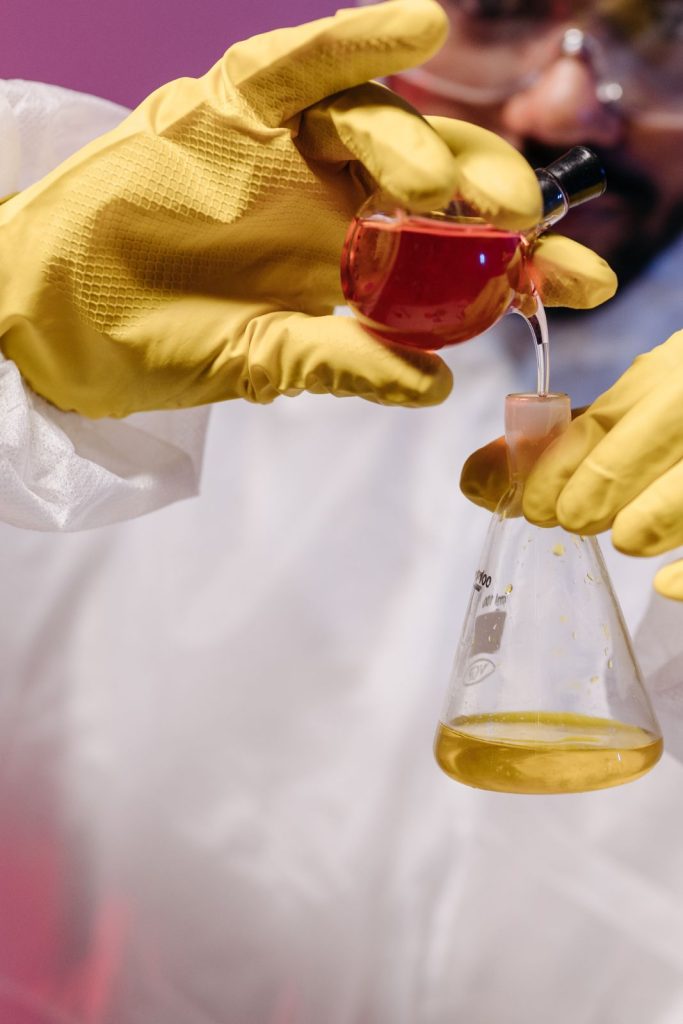
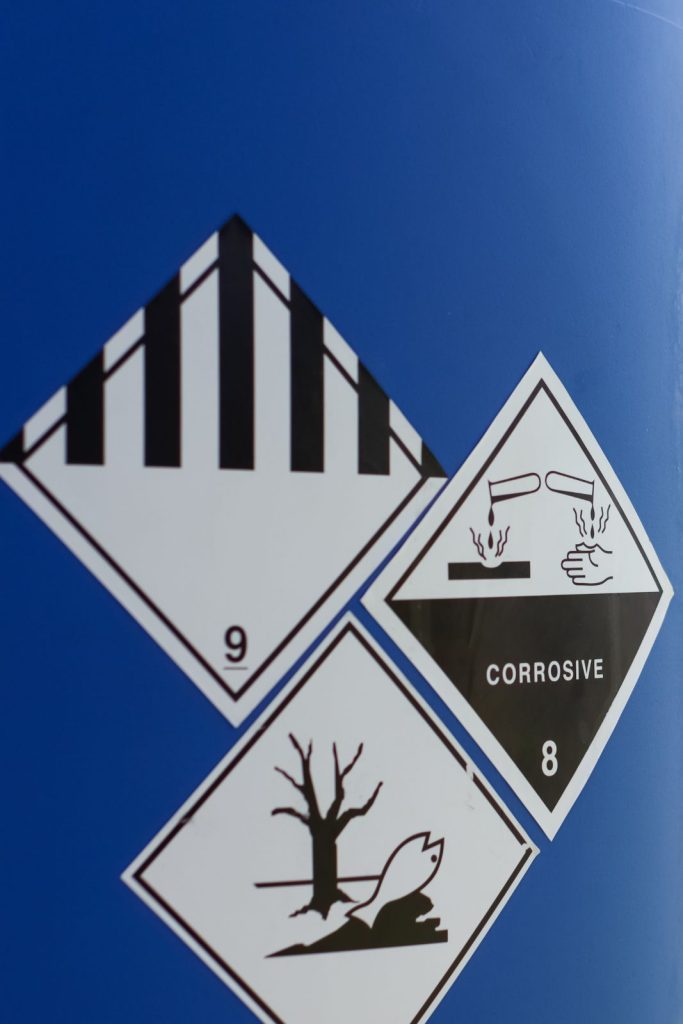
This article discusses the consequences of fast beauty, exploring its role in climate change, ethical dilemmas, and resource depletion. Additionally, it presents slow beauty as a sustainable alternative—one that prioritizes longevity, ethics, and environmental responsibility.
The future of beauty depends on informed, conscious consumer choices. Understanding the depth of the problem is the first step toward change.
What is Fast Beauty? Understanding the Industry’s Unchecked Growth
Fast beauty is defined by rapid production, short-lived trends, and mass consumerism. It has emerged in response to digital-age marketing, where social media and influencers dictate beauty trends that brands must follow at an accelerated pace.
Unlike traditional beauty brands that focus on timeless formulations and long-term product value, fast beauty thrives on overconsumption and disposability.
Key Characteristics of Fast Beauty:
- Frequent Product Launches – Many brands release multiple collections per month, keeping up with fleeting beauty trends.
- Lower Cost, Lower Quality – To ensure affordability and profitability, many products contain cheap fillers, synthetic ingredients, and harsh preservatives.
- Plastic-Heavy Packaging – Most fast beauty items are encased in single-use plastic, non-recyclable containers, or excessive wrapping.
- Social Media-Driven Consumption – Influencers and beauty influencers drive demand, encouraging impulse buying and short product lifespans.
- Minimal Sustainability Efforts – Despite some “eco-friendly” marketing claims, most fast beauty brands do not prioritize sustainability in production, ingredient sourcing, or waste management.
The beauty industry’s focus on speed and affordability has created a cycle of waste, pollution, and unethical production. As brands race to stay relevant, the cost to the environment continues to rise.
The Environmental Consequences of Fast Beauty
The environmental toll of fast beauty is far greater than most consumers realize. From the moment raw materials are extracted to the moment products are discarded, the industry leaves a destructive footprint on the planet.
1. The Plastic Waste Crisis
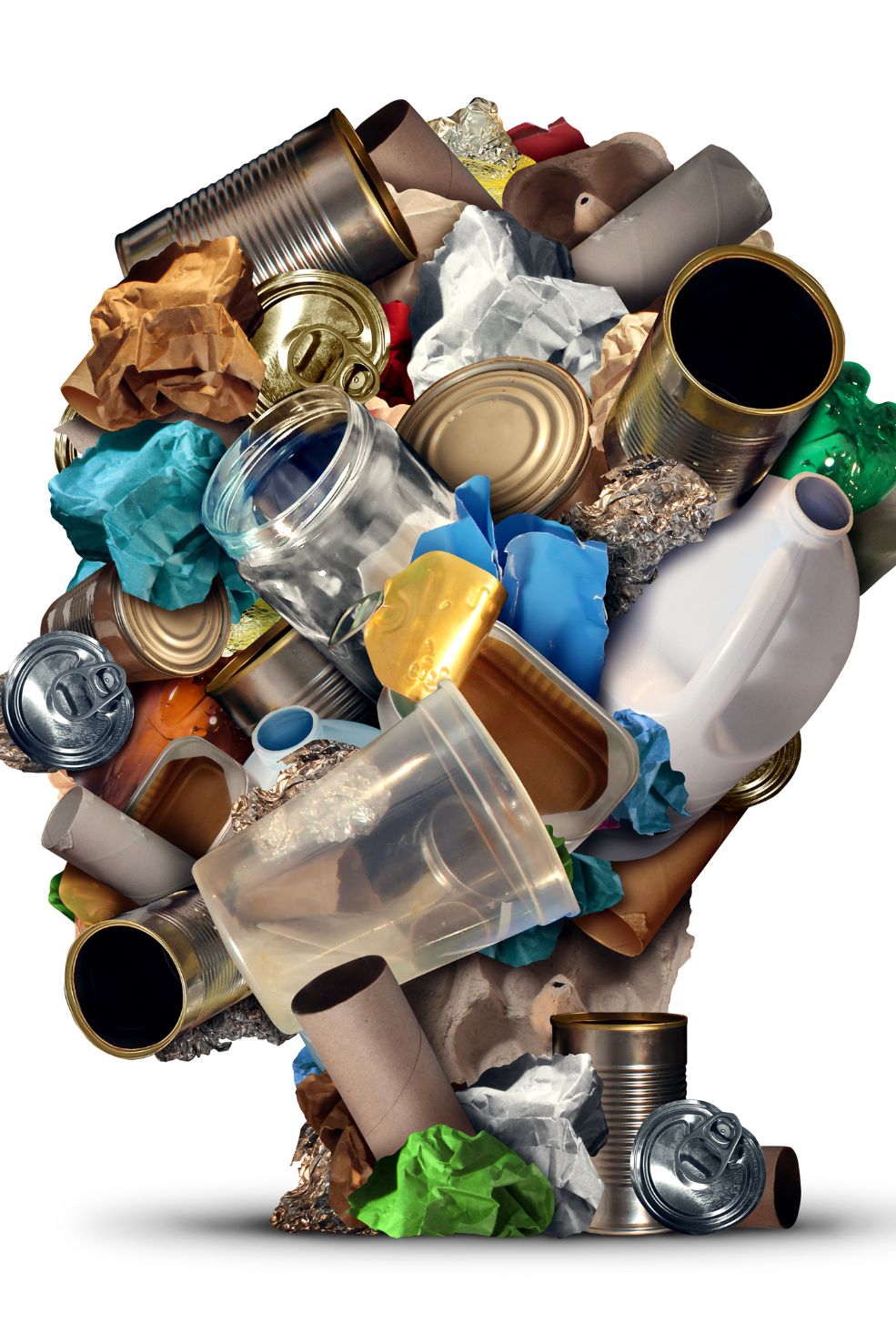
The beauty industry generates over 120 billion units of plastic waste annually, most of which is non-recyclable and ends up in landfills or oceans.
- Mascara tubes, foundation bottles, and compact cases often use mixed plastics, making them difficult to recycle.
- Single-use beauty products, such as sheet masks and disposable makeup wipes, significantly increase waste.
- Plastic microbeads in exfoliants contribute to water pollution and disrupt marine ecosystems.
2. Water Pollution: The Hidden Impact of Beauty Ingredients
Beyond plastic waste, the beauty industry is a major contributor to water pollution. Many cosmetics and skincare products contain toxic chemicals that enter waterways through washing, rinsing, and disposal. These pollutants affect marine ecosystems, soil quality, and even human drinking water.
Harmful Ingredients Commonly Found in Fast Beauty Products:
- Microplastics – Found in exfoliating scrubs, glitter-based cosmetics, and some toothpaste. These tiny plastic particles do not dissolve and accumulate in oceans, harming marine life.
- Parabens and Phthalates – Used as preservatives in cosmetics, these endocrine-disrupting chemicals leak into water sources, affecting wildlife reproductive health.
- Sulfates (SLS & SLES) – Common in shampoos and cleansers, these surfactants strip natural oils from skin and hair while contaminating aquatic environments.
- Oxybenzone and Octinoxate – Found in many sunscreens, these chemicals are linked to coral bleaching, leading to the destruction of marine ecosystems.
The Devastating Effects on Marine Life:
Once washed down drains, these pollutants do not fully break down, meaning they remain in the environment for decades. Marine creatures ingest microplastics, disrupting food chains and causing long-term ecological damage. Studies have shown that even human tap water contains microplastics, demonstrating the far-reaching consequences of fast beauty’s water pollution.
3. The Carbon Footprint of Fast Beauty
Every beauty product has a hidden carbon cost, from raw material extraction to manufacturing and global distribution. Unlike locally made, sustainable beauty products, fast beauty products are often manufactured in one country, packaged in another, and sold globally, creating an enormous carbon footprint.


The Carbon-Intensive Process Behind a Single Beauty Product:
- Raw Material Extraction – Ingredients such as palm oil, mica, and synthetic fragrances require large-scale industrial extraction, contributing to deforestation and loss of biodiversity.
- Production and Processing – Factories use high-energy machinery to process ingredients, often relying on fossil fuels.
- Transportation and Distribution – Products are shipped across continents, often by air freight, emitting large amounts of CO₂ into the atmosphere.
- Retail and Consumer Use – The final stage of the product’s life cycle contributes additional emissions, especially when disposal methods are unsustainable.
Fast Beauty’s Contribution to Climate Change:
- The cosmetics industry alone emits over 1.2 billion tons of CO₂ annually, rivaling the carbon emissions of entire countries.
- Mass production depletes natural resources, further exacerbating deforestation and habitat loss.
- Energy-intensive manufacturing methods contribute to air and water pollution, further endangering global ecosystems.
With climate change accelerating, the beauty industry must adopt greener alternatives, and consumers must begin holding brands accountable for their carbon-heavy operations.

4. Ethical Issues: The Hidden Human Cost of Fast Beauty
Fast beauty’s problems extend beyond environmental damage—it also comes with ethical concerns involving labor practices, transparency, and animal cruelty.
Unethical Labor Practices in Ingredient Sourcing
Many fast beauty brands source ingredients from regions with weak labor protections, leading to exploitation and child labor.
- Mica Mining: Mica, a common ingredient in shimmery makeup, is frequently sourced from illegal mines in India, where child labor is rampant.
- Palm Oil Production: Used in skincare and makeup, palm oil cultivation leads to mass deforestation and poor working conditions for laborers in Indonesia and Malaysia.
- Fragrance and Essential Oil Farming: Many fragrances and essential oils are farmed under unfair working conditions, with laborers earning unlivable wages.
Animal Testing and Greenwashing
Despite growing awareness of cruelty-free beauty, many brands still conduct animal testing in markets where it is legally required. Additionally, greenwashing—when brands falsely claim to be sustainable—has become a deceptive marketing tactic, misleading consumers into believing a product is eco-friendly when it is not.
Consumers must be aware of certified cruelty-free brands and learn how to identify misleading sustainability claims to avoid supporting unethical beauty companies.
Are Consumers to Blame? Understanding Our Role in the Crisis
While beauty brands are responsible for manufacturing practices, consumer behavior directly influences industry trends.
The Psychology of Beauty Consumption:
- Fear of Missing Out (FOMO): Social media fosters a sense of urgency, pushing consumers to buy products they do not need.
- The Illusion of Affordable Luxury: Low-cost beauty products create a false sense of sustainability, masking the hidden environmental and ethical costs.
- Disposability Mindset: Many beauty consumers see products as disposable, quickly moving on to the next new trend.
While brands create the supply, consumer demand fuels the industry’s fast-paced growth. Without collective shifts in purchasing behavior, companies have no incentive to adopt sustainable practices.
The Shift Toward Slow Beauty: A Sustainable Alternative
As an antidote to fast beauty, slow beauty promotes conscious consumption, sustainable formulations, and ethical sourcing.
Key Principles of Slow Beauty:
- Minimalism Over Mass Production – Consumers buy less, focusing on quality over quantity.
- Sustainable Sourcing and Packaging – Brands use recyclable, refillable, or biodegradable materials.
- Eco-Friendly and Non-Toxic Formulations – Slow beauty avoids synthetic chemicals and harmful preservatives.
- Long-Lasting, Multi-Use Products – Rather than short-lived trends, slow beauty offers timeless, versatile beauty solutions.
- Brand Transparency – Companies prioritize ingredient traceability, ethical labor, and responsible business practices.
This movement is already gaining momentum, with consumers demanding better environmental policies from brands.
How Consumers Can Transition to a More Sustainable Beauty Routine
Adopting a slow beauty routine does not require sacrificing beauty—it means making informed, intentional choices.
Steps to a Sustainable Beauty Routine:
✔ Buy Less, But Better: Invest in high-quality products instead of accumulating excess.
✔ Opt for Multi-Use Products: Choose products that serve multiple purposes (e.g., lip and cheek tints).
✔ Support Ethical Brands: Purchase from brands that prioritize sustainability and avoid greenwashing.
✔ Switch to Sustainable Packaging: Look for glass, metal, or compostable alternatives instead of plastic.
✔ Recycle and Reuse: Participate in brand recycling programs and repurpose empty containers.

Sustainable Beauty Brands Making a Difference
As consumers become more environmentally conscious, a growing number of beauty brands are stepping up to challenge the fast beauty industry with sustainable, ethical, and eco-conscious alternatives. One such brand leading the way is Enyi.
enyi: Redefining Beauty with Sustainability at Its Core
enyi is more than just a beauty brand—it’s a movement toward conscious, responsible beauty. Unlike conventional beauty companies that prioritize speed and volume, enyi is built on the principles of slow beauty, ensuring that every product is crafted with sustainability, quality, and ethical responsibility in mind.
What Sets enyi Apart?
✔ Sustainable Packaging: Enyi eliminates single-use plastics, opting for refillable, biodegradable, or recyclable materials that significantly reduce environmental waste.
✔ Ethical Ingredient Sourcing: All Enyi products feature clean, non-toxic formulations, using responsibly sourced ingredients that are kind to both the skin and the planet.
✔ Cruelty-Free & Ethical Production: Enyi is firmly committed to cruelty-free practices, ensuring that no animals are harmed in the development of its products. Additionally, the brand champions fair-trade partnerships, supporting ethical labor practices.
✔ Minimalist & Multi-Use Products: In contrast to the excessive consumption encouraged by fast beauty, Enyi focuses on multi-purpose, long-lasting beauty essentials—reducing waste and promoting intentional, mindful consumption.
✔ Transparency & Integrity: Consumers today demand honesty from brands, and Enyi delivers with full ingredient transparency and a genuine commitment to eco-conscious beauty.
Why enyi Represents the Future of Beauty
enyi proves that luxury and sustainability can coexist. By making high-quality, environmentally responsible beauty accessible, the brand is reshaping industry standards and empowering consumers to make choices that align with both their values and the planet’s well-being.
For those seeking a guilt-free, sustainable beauty routine, enyi is not just an option—it is the future.
Frequently Asked Questions (FAQs)
1. Is slow beauty more expensive than fast beauty?
Not necessarily. While sustainable products may cost more upfront, they often last longer and require less frequent repurchasing, ultimately saving money.
2. Can luxury beauty brands be sustainable?
Yes, but not all luxury brands prioritize sustainability. Look for certifications and transparent ingredient sourcing before assuming a brand is eco-friendly.
3. How can I tell if a beauty brand is greenwashing?
Check for vague claims like “all-natural” or “eco-friendly” without certifications or clear ingredient lists. Research the brand’s environmental policies to ensure transparency.
4. Are DIY beauty products a good alternative?
DIY beauty can be effective, but preservation and stability are concerns. If choosing DIY options, ensure proper formulation knowledge to prevent contamination.
Summary: The Future of Beauty Must Be Sustainable
The fast beauty model is unsustainable, wasteful, and unethical. While brands must take responsibility, consumers hold the power to drive change through conscious purchasing decisions.
The future of beauty is not about endless consumption—it is about better, not more. The choice is clear: sustainable beauty is the only way forward.