



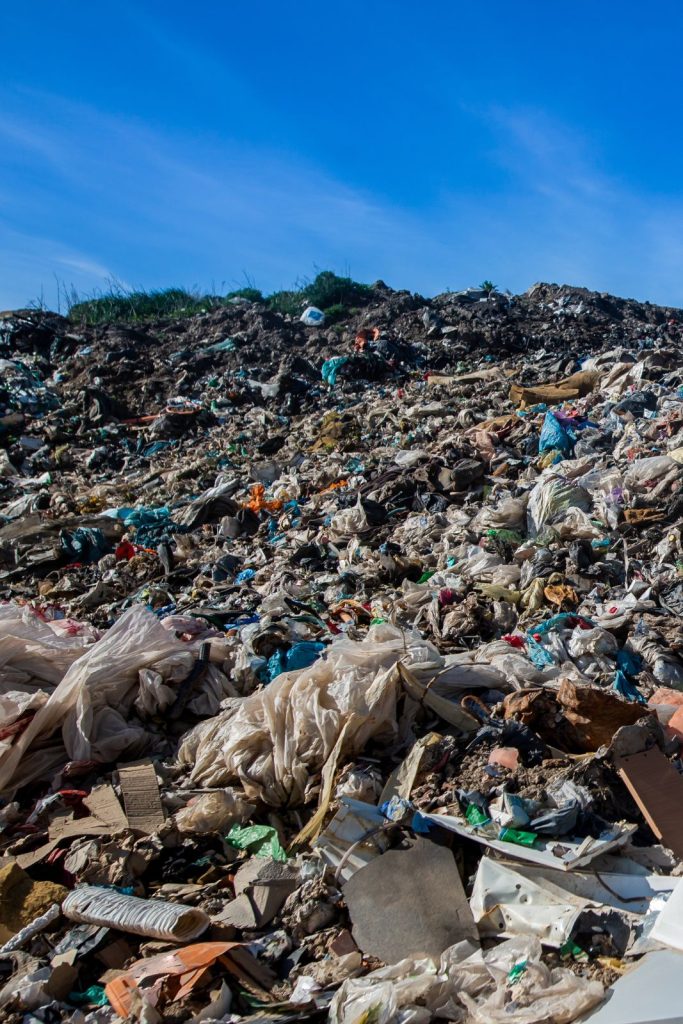
Plastic waste is one of the biggest environmental challenges of our time. Every year, millions of tons of plastic end up in landfills, oceans, and natural habitats, causing harm to wildlife and polluting our planet. While plastic has made life more convenient, its long-term impact on the environment is devastating.
- 1. Switch to Reusable Bags
- 2. Use a Refillable Water Bottle
- 3. Avoid Single-Use Plastic Straws and Cutlery
- 4. Opt for Plastic-Free Food Storage
- 5. Buy in Bulk to Reduce Packaging Waste
- 6. Choose Eco Friendly Personal Care Products
- 7. Support Businesses That Reduce Plastic Waste
- 8. Educate and Inspire Others to Reduce Plastic Waste
- FAQs About Reducing Plastic Waste
- Conclusion
Reducing plastic waste doesn’t have to be complicated. Small, everyday changes can make a big difference. In this article, we’ll explore eight practical and actionable ways to cut down on plastic usage in daily life.
1. Switch to Reusable Bags
Plastic shopping bags are one of the most common sources of plastic waste. They are used for a few minutes but can take hundreds of years to decompose.
How to Reduce Plastic Bags:
- Carry reusable cloth bags when shopping.
- Store a few reusable bags in your car or backpack for convenience.
- Say no to plastic bags when buying small items.
- Use mesh or cotton produce bags instead of plastic ones for fruits and vegetables.
Many grocery stores now offer discounts to customers who bring their own bags. Not only do you reduce plastic waste, but you also save money!

2. Use a Refillable Water Bottle
Single-use plastic water bottles contribute significantly to global plastic pollution. They are often discarded carelessly and take centuries to break down.
Eco-Friendly Alternatives:
- Invest in a stainless steel or glass water bottle.
- Use a water filter at home instead of buying bottled water.
- Carry your own bottle when traveling to avoid buying plastic ones.
Switching to a refillable bottle not only reduces plastic usage but also encourages better hydration and saves money in the long run.
3. Avoid Single-Use Plastic Straws and Cutlery
Plastic straws, forks, and spoons are often used once and thrown away, ending up in oceans and harming marine life.
How to Make a Change:
- Use metal, bamboo, or silicone straws instead of plastic ones.
- Carry a reusable cutlery set when eating out or ordering takeout.
- Politely refuse plastic cutlery when ordering food for delivery.
Some restaurants have already stopped providing plastic straws unless requested. If more people adopt this habit, businesses will shift towards eco-friendly alternatives.
4. Opt for Plastic-Free Food Storage
Plastic food containers, wraps, and bags contribute significantly to household plastic waste. Fortunately, there are sustainable alternatives available.
Eco-Friendly Food Storage Ideas:
- Use glass jars or stainless steel containers for leftovers.
- Wrap food with beeswax wraps instead of plastic wrap.
- Store dry goods in reusable cloth bags instead of plastic packaging.
- Choose fresh produce over plastic-wrapped fruits and vegetables.
By making these small changes, you can cut down on unnecessary plastic packaging in your kitchen.
5. Buy in Bulk to Reduce Packaging Waste
Many grocery items, especially snacks and dry goods, come in excessive plastic packaging. Buying in bulk reduces this waste.
How to Shop Smartly:
- Bring your own glass jars or cloth bags to bulk stores.
- Choose products with minimal or compostable packaging.
- Refill household essentials like shampoo, detergent, and spices at bulk stores.
Bulk shopping not only reduces plastic use but also saves money in the long term by cutting down on unnecessary packaging costs.


6. Choose Eco Friendly Personal Care Products
Many personal care items, such as shampoo, toothpaste, and skincare products, come in plastic packaging that often ends up in landfills.
Sustainable Swaps:
- Use shampoo and conditioner bars instead of bottled versions.
- Switch to bamboo toothbrushes instead of plastic ones.
- Try plastic-free deodorants and skincare products.
- Use reusable makeup remover pads instead of disposable cotton pads.
Many brands now offer zero-waste alternatives, making it easier than ever to switch to sustainable options.
7. Support Businesses That Reduce Plastic Waste
Many companies are making efforts to minimize their plastic footprint, and supporting them can help drive positive change.
What You Can Do:
- Choose stores that use minimal packaging or offer refills.
- Buy from eco-conscious brands that use biodegradable or recyclable packaging.
- Support cafes and restaurants that offer discounts for bringing your own cup or container.
- Encourage businesses to switch to sustainable alternatives by providing feedback.
By voting with your wallet, you encourage more businesses to prioritize eco-friendly practices.
8. Educate and Inspire Others to Reduce Plastic Waste
One of the most powerful ways to fight plastic waste is by spreading awareness.
How to Make an Impact:
- Share your zero-waste journey on social media to inspire others.
- Educate friends and family about the dangers of plastic pollution.
- Organize or participate in clean-up drives in your community.
- Encourage local schools and offices to adopt sustainable practices.
Change starts with individuals, but collective action makes a bigger impact. The more people adopt plastic-free habits, the closer we get to a cleaner planet.
FAQs About Reducing Plastic Waste
Why is reducing plastic waste important?
Plastic pollution harms the environment, endangers wildlife, and contributes to climate change. Reducing plastic waste helps protect natural ecosystems and promotes sustainability.
What are some easy swaps to reduce plastic use at home?
Switch to reusable water bottles, cloth shopping bags, glass food containers, and bamboo toothbrushes. These simple swaps make a significant impact over time.
Are biodegradable plastics a good alternative?
Biodegradable plastics are better than traditional plastics, but they still require specific conditions to break down properly. It’s best to use truly reusable or compostable alternatives.
How can I encourage my workplace to reduce plastic waste?
Suggest initiatives like switching to refillable water stations, using reusable utensils, and organizing awareness programs about sustainability.
What’s the best way to start a plastic-free lifestyle?
Start small by eliminating single-use plastics like straws, bags, and water bottles. Gradually replace plastic items in your daily routine with sustainable alternatives.
Can reducing plastic waste really make a difference?
Yes! Every small effort counts. If millions of people reduce their plastic use, it significantly lowers the demand for plastic production and pollution.

Conclusion
Reducing plastic waste in daily life is easier than you think. By making small yet meaningful changes—like using reusable bags, bottles, and containers—you contribute to a cleaner, healthier planet. Supporting sustainable businesses, educating others, and choosing eco-friendly products can further amplify your impact.
Every effort matters. Start with one habit, and gradually incorporate more sustainable choices into your routine. Together, we can make a difference and reduce plastic waste for future generations.