



Ethical sourcing in sustainable skincare ensures that ingredients are procured responsibly, benefiting both the environment and the communities involved in production. Skincare consumers are becoming more conscious of where their products come from, how they are made, and their impact on people and the planet. But what exactly does ethical sourcing entail, and why is it crucial for a truly sustainable beauty industry?
- What is Ethical Sourcing?
- What is Ethics in Sourcing?
- What is the Ethical Sourcing Strategy?
- What is an Example of Ethically Sourced Ingredients?
- Ethical Sourcing Examples in Skincare
- Ethical Sourcing in Supply Chain Management
- Ethical Sourcing Policy: A Commitment to Sustainability
- Ethical Sourcing Synonym: Alternative Terms
- Ethical Sourcing and Sustainability: How They Connect
- Ethical Sourcing Companies Leading the Way
- Conclusion: Ethical Sourcing as the Future of Skincare
What is Ethical Sourcing?
Ethical sourcing refers to the responsible procurement of raw materials, ensuring that environmental and human rights standards are met. It encompasses fair wages, safe working conditions, sustainable harvesting practices, and cruelty-free production.
For the skincare industry, ethical sourcing means obtaining ingredients like shea butter, aloe vera, or essential oils in a way that:
- Protects biodiversity
- Supports fair trade initiatives
- Avoids exploitative labor
- Minimizes carbon footprint
Example:
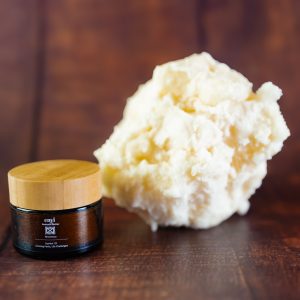
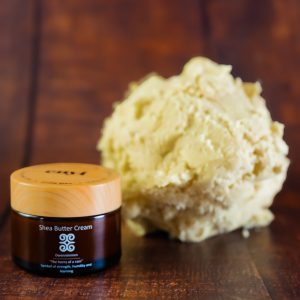
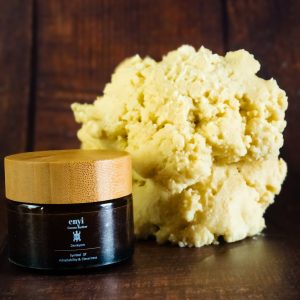
A skincare brand sourcing organic shea butter directly from women-led cooperatives in Ghana exemplifies ethical sourcing. This approach empowers local communities while preserving natural resources.

What is Ethics in Sourcing?
Ethics in sourcing refers to the moral principles guiding procurement decisions. It focuses on transparency, fairness, and sustainability across the supply chain. In skincare, this means:
- Respecting human rights: Ensuring no child or forced labor is involved
- Environmental responsibility: Reducing deforestation and pollution
- Animal welfare: Using cruelty-free and vegan ingredients
- Fair trade support: Ensuring small-scale farmers receive fair wages
A brand like enyi follows ethical sourcing principles by verifying ingredient origins and ensuring partnerships with ethical suppliers.
What is the Ethical Sourcing Strategy?
An ethical sourcing strategy outlines a company’s commitment to responsible procurement, detailing policies and practices to maintain ethical integrity. This strategy includes:
1. Supplier Transparency
- Conducting audits to ensure ethical labor practices
- Working only with suppliers that uphold sustainability standards
2. Sustainable Sourcing Standards
- Using ingredients certified by organizations like Fair Trade, Rainforest Alliance, or Ecocert
- Avoiding endangered plant extracts and unsustainable palm oil
3. Community Empowerment
- Supporting indigenous and local farmers with fair trade agreements
- Funding social initiatives, such as women’s cooperatives
4. Ethical Sourcing Policy Implementation
- Developing clear guidelines to prevent unethical practices
- Regularly reviewing and updating sourcing protocols



What is an Example of Ethically Sourced Ingredients?
A practical example of ethically sourced ingredients in skincare includes:
Shea Butter from Ghana
- Ethically sourced: Harvested by women’s cooperatives using sustainable farming methods
- Social impact: Provides employment opportunities and economic independence
- Environmental benefit: No deforestation involved in production
Organic Aloe Vera from Mexico
- Sustainably grown: Cultivated without synthetic pesticides
- Fair trade certified: Farmers receive equitable compensation
- Eco-friendly harvesting: Ensures minimal soil and water degradation
Enyi incorporates ethically sourced botanicals, ensuring its skincare products align with sustainability and social responsibility.
Ethical Sourcing Examples in Skincare
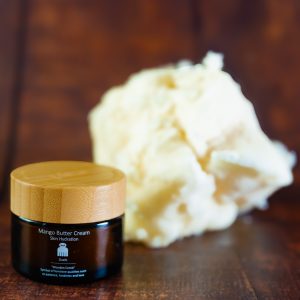
1. Fair Trade Cocoa Butter
- Supports farmers in West Africa
- Reduces child labor in the cocoa industry
2. Responsibly Harvested Essential Oils
- Obtained from biodiverse regions without overexploitation
- Encourages eco-conscious farming practices
3. Recycled and Upcycled Ingredients
- Utilizes byproducts like coffee grounds and fruit peels
- Reduces overall waste in production
enyi exemplifies ethical sourcing through its selection of responsibly harvested botanicals and eco-friendly packaging solutions.

Ethical Sourcing in Supply Chain Management
Ethical sourcing plays a crucial role in maintaining sustainability within the skincare supply chain. It ensures:
- Fair labor practices at every stage, from farming to product formulation
- Minimized carbon footprint by choosing local, sustainable suppliers
- Transparency and traceability through ingredient tracking and certification
Brands like enyi adopt rigorous ethical sourcing policies, ensuring that every ingredient contributes to a more sustainable beauty industry.
Ethical Sourcing Policy: A Commitment to Sustainability
An ethical sourcing policy is a formal statement outlining a company’s commitment to sustainable and responsible ingredient procurement. Key components include:
- Human rights protection (no forced or child labor)
- Sustainable harvesting methods to preserve ecosystems
- Animal cruelty prevention (vegan and cruelty-free products)
- Fair trade partnerships for economic equity
A well-defined ethical sourcing policy helps brands maintain credibility and ensures long-term sustainability.
Ethical Sourcing Synonym: Alternative Terms
Ethical sourcing can also be referred to as:
- Responsible procurement
- Fair trade sourcing
- Sustainable sourcing
- Conscious supply chain management
These terms emphasize the importance of making environmentally and socially responsible choices in the skincare industry.

Ethical Sourcing and Sustainability: How They Connect
Ethical sourcing and sustainability go hand in hand, as responsible ingredient procurement directly contributes to environmental preservation and social well-being. Benefits include:
- Reduced deforestation from responsible raw material extraction
- Lower carbon footprint through sustainable farming and transport practices
- Social equity by supporting ethical labor and fair wages
- Biodiversity conservation by avoiding overharvesting and habitat destruction
Brands like Enyi embrace both ethical sourcing and sustainability, ensuring skincare products that nourish both the skin and the planet.
Ethical Sourcing Companies Leading the Way
Several companies have set benchmarks for ethical sourcing in skincare:
1. Enyi
- Partners with sustainable farms and fair-trade cooperatives
- Uses responsibly sourced botanicals and eco-conscious packaging
Conclusion: Ethical Sourcing as the Future of Skincare
Ethical sourcing is not just a trend—it’s a fundamental shift toward sustainability in skincare. By prioritizing responsibly sourced ingredients, brands can protect the environment, empower communities, and build consumer trust.
As consumers, choosing brands like enyi, which uphold ethical sourcing principles, ensures that every skincare purchase contributes to a more sustainable and equitable future.