




Enjoy FREE international shipping on orders over €59.99 & a free lip balm.
Technical Specification Sheet
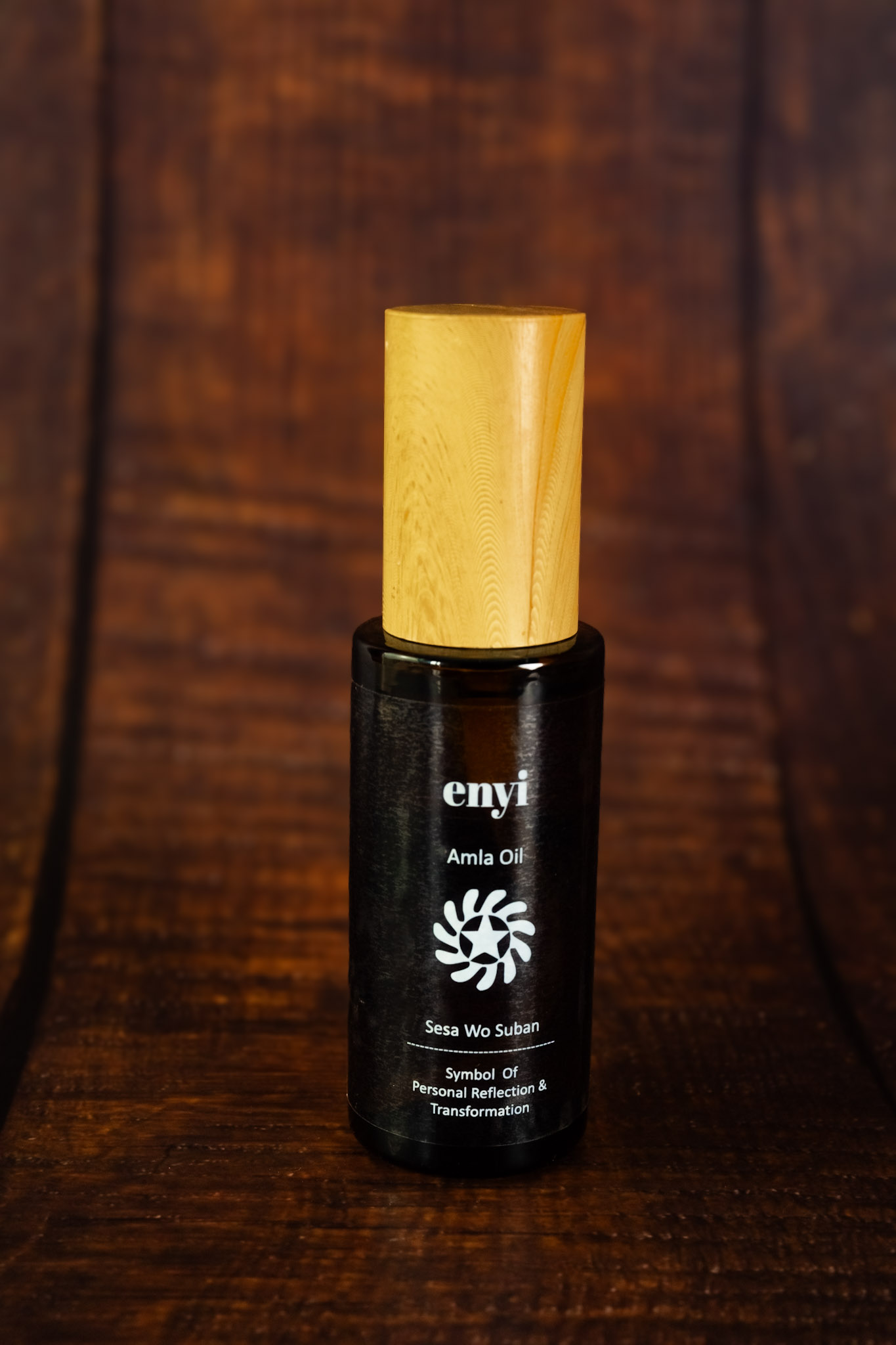
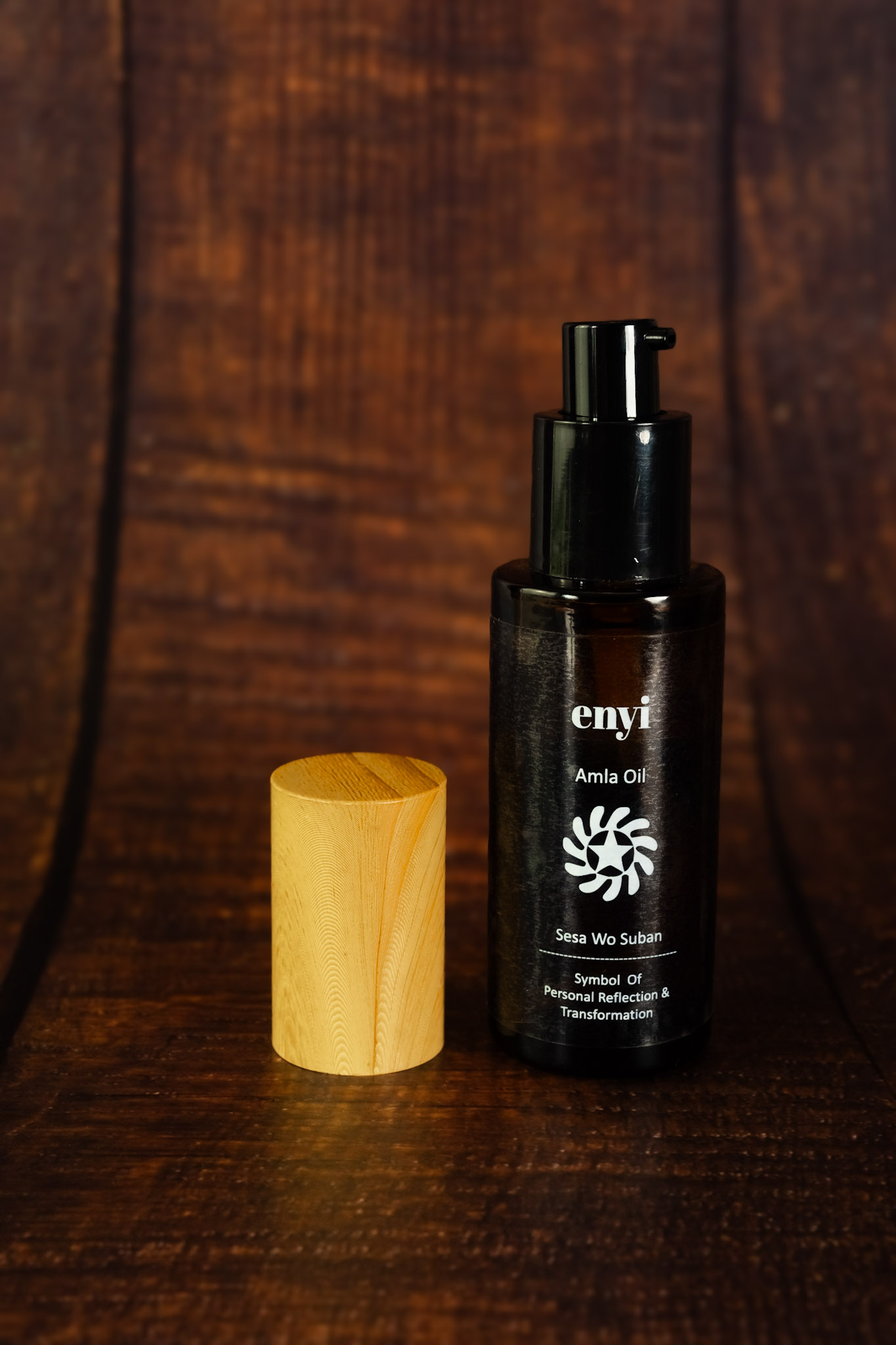
Amla Oil
INCI Name: Phyllanthus Emblica Fruit Extract (and) Helianthus Annuus Seed Oil
Common Name: Amla Oil
Botanical Source: Phyllanthus emblica
Plant Part Used: Fruit
Extraction Method: Herbal maceration / infusion in vegetable oil
CAS Number:
-
Phyllanthus Emblica Fruit Extract: 84696-19-5
-
Helianthus Annuus Seed Oil : 8001-21-6
Grade: Cosmetic Grade
Packaging Size: 50g
1. Material Overview
Amla Oil is a plant-derived infused oil prepared by macerating the fruit of Phyllanthus emblica into a vegetable carrier oil base.
This cosmetic-grade raw material is supplied exclusively for further formulation into cosmetic and personal care products. The final composition depends on the carrier oil used in the infusion process.
The material combines the lipid characteristics of the base oil with plant-derived constituents extracted from amla fruit during maceration.
2. Physical & Organoleptic Characteristics
-
Appearance: Clear to slightly opaque liquid
-
Color: Light yellow to greenish hue
-
Odor: Mild, characteristic herbal aroma
-
Solubility: Oil soluble
-
Viscosity: Light to medium
Natural variation may occur depending on botanical material and infusion method.
3. Composition & Functional Attributes
Amla Oil consists of:
-
Vegetable carrier oil fatty acids (dependent on base oil)
-
Plant-derived phytochemicals extracted from Phyllanthus emblica
-
Naturally occurring sterols and antioxidants (carrier dependent)
Functional Contribution in Formulations
Within cosmetic systems, Amla Oil is selected for:
-
Contributing emollient properties through its carrier oil base
-
Supporting conditioning characteristics in hair formulations
-
Enhancing botanical positioning in plant-based product design
-
Providing lipid-phase balance in oil and emulsion systems
-
Complementing scalp and hair-focused formulation concepts
Functional performance depends on both the infusion strength and the carrier oil composition. All results must be validated within the final cosmetic formulation.
4. Suitable Formulation Applications
-
Hair oils and conditioning systems
-
Scalp formulations
-
Oil serums
-
Emulsions and creams
-
Anhydrous botanical blends
Inclusion levels should be determined through formulation trials, stability assessment, and regulatory evaluation.
5. Storage & Stability
-
Store in a cool, dry place
-
Protect from direct light and heat
-
Keep container tightly sealed
-
Consider antioxidant stabilization depending on carrier oil
As a plant-infused oil, stability is influenced by both the base oil and the botanical extract concentration.
6. Handling & Manufacturing Considerations
This material should be handled in accordance with Good Manufacturing Practice (GMP).
Compatibility testing, stability evaluation, microbiological assessment (where applicable), and final cosmetic safety assessment remain the responsibility of the formulator or Responsible Person prior to market placement.
7. Regulatory Positioning
This product is supplied strictly as a raw cosmetic ingredient for further formulation.
It is not a finished cosmetic product and is not marketed for direct consumer application.
The purchaser assumes full responsibility for compliance with Regulation (EC) No 1223/2009 and any other applicable legislation, including CPSR preparation, PIF documentation, stability testing, labeling, and notification procedures.
8. Interesting Facts About the Raw Material
-
Phyllanthus emblica is commonly known as Indian gooseberry.
-
Amla Oil is typically produced through maceration rather than steam distillation.
-
The final lipid profile depends largely on the carrier oil selected for infusion.
-
The botanical fruit has been traditionally referenced in various regional plant-based practices.
-
Infused oils differ chemically from essential oils, as they are not volatile extracts.
Reviews
There are no reviews yet.