


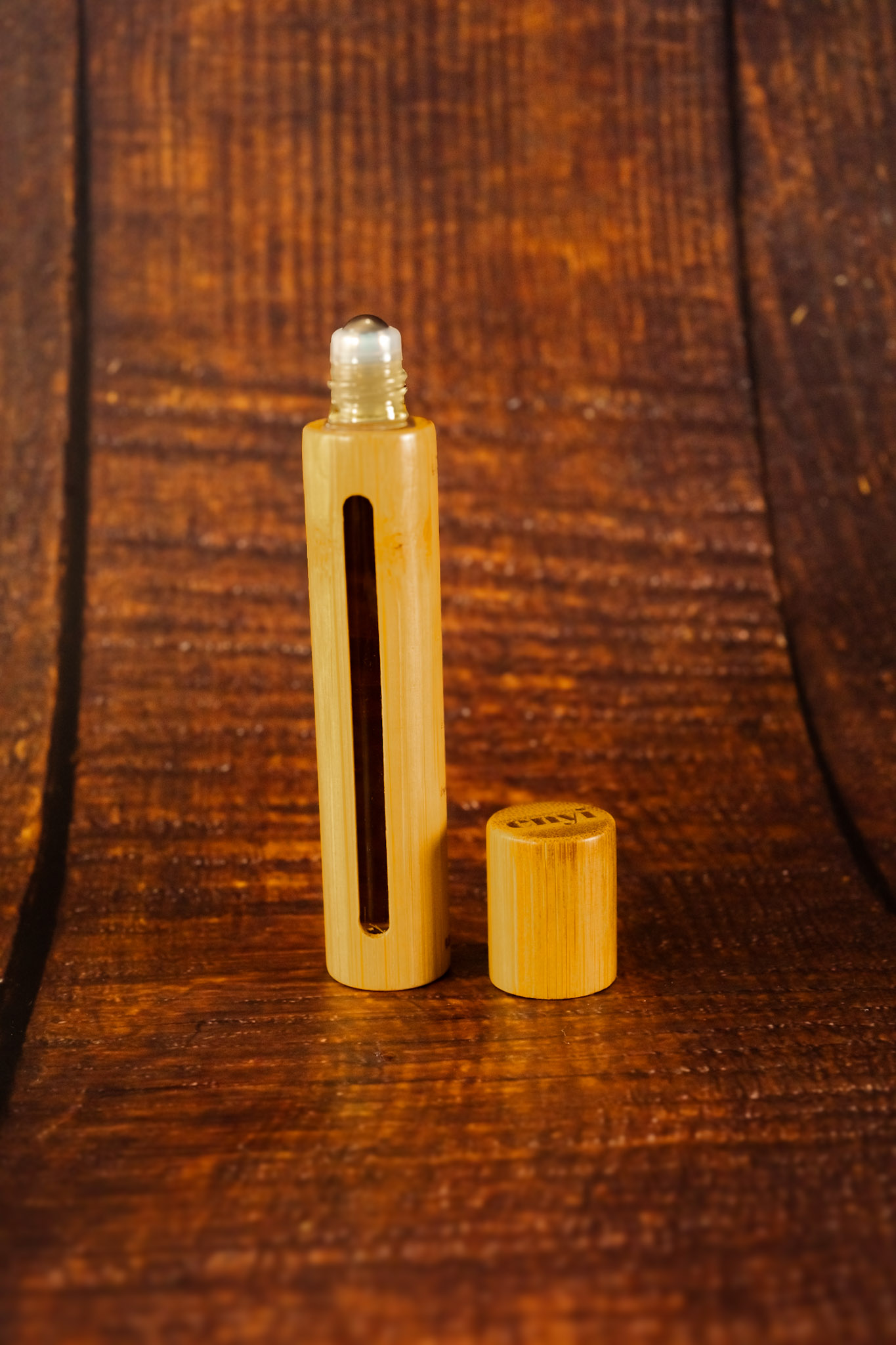
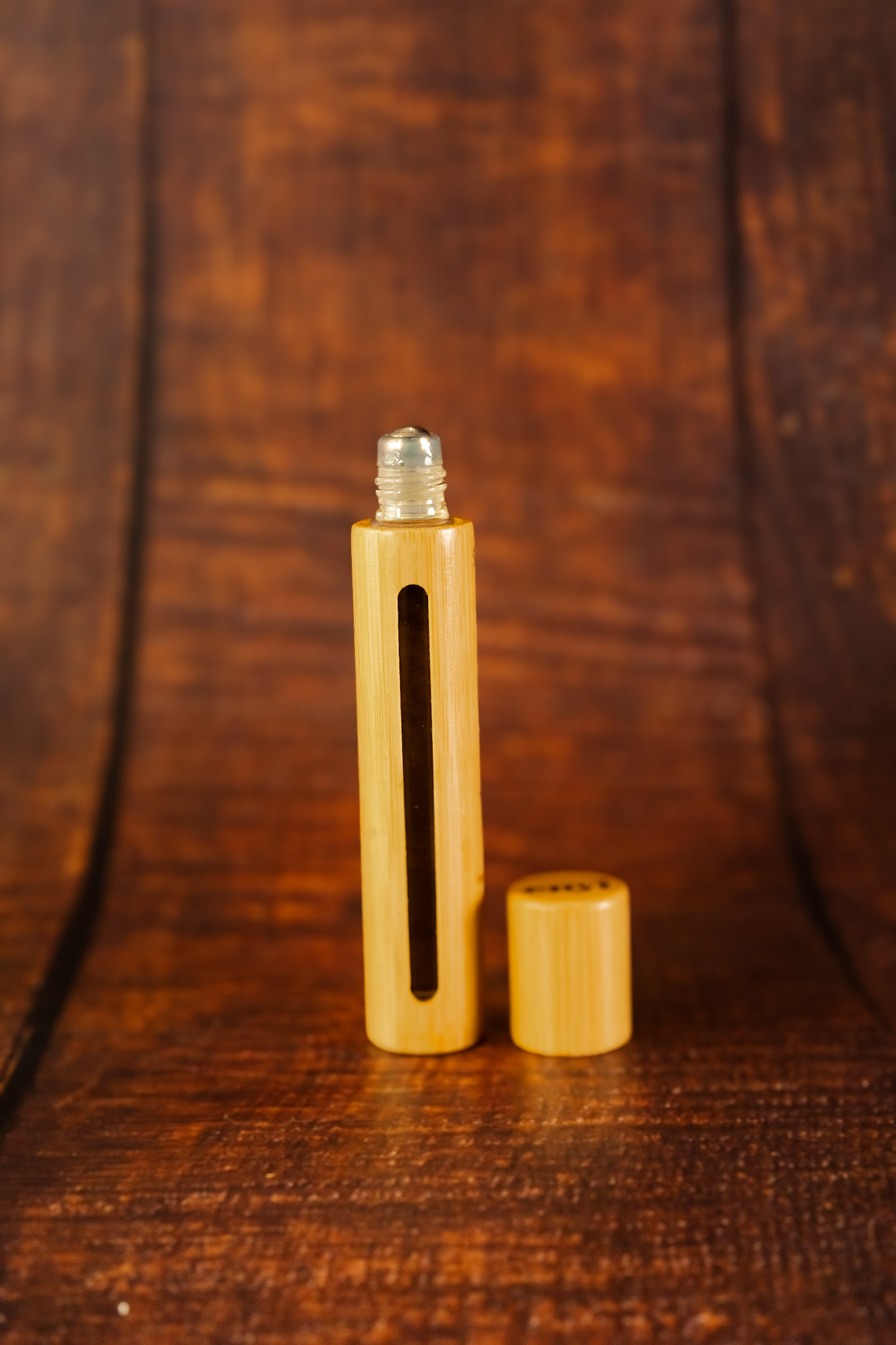



Technical Specification Sheet
Cactus Oil (Cold Pressed) – 10g
INCI Name: Opuntia Ficus-Indica Seed Oil
Common Name: Cactus Seed Oil
Botanical Source: Opuntia ficus-indica
Plant Part Used: Seeds
Processing Method: Mechanical Cold Pressing
Grade: Cosmetic Grade
Packaging Size: 10g
- Description
Cactus Oil is a vegetable oil mechanically extracted from the seeds of Opuntia ficus-indica using a cold-press process without chemical solvents.
This cosmetic-grade raw material is intended for incorporation into formulated cosmetic and personal care products. The cold processing method helps preserve the oil’s naturally occurring lipid components.
- Physical & Organoleptic Characteristics
- Appearance: Clear to slightly cloudy liquid
- Color: Pale yellow to golden
- Odor: Mild, characteristic plant-derived aroma
- Solubility: Oil soluble
- Texture: Light to medium viscosity with smooth spreadability
Natural variations may occur due to harvest conditions and batch differences.
- General Composition & Functional Profile
Cactus Oil naturally contains:
- High levels of linoleic acid (polyunsaturated fatty acid)
- Oleic acid
- Palmitic and stearic acids
- Naturally occurring tocopherols (vitamin E compounds)
- Phytosterols
Formulation Benefits
Due to its fatty acid composition and tocopherol content, this oil is commonly selected by formulators for:
- Supporting the lipid phase of emulsions
- Contributing to skin-conditioning properties in finished formulations
- Enhancing emollient characteristics
- Improving spreadability and sensory profile
- Assisting in maintaining formulation softness and glide
- Supporting antioxidant presence within oil-based systems
Its relatively lightweight texture makes it suitable for formulations requiring non-heavy oil phases.
All performance characteristics must be validated within the final cosmetic formulation.
- Recommended Formulation Applications
Suitable for incorporation into:
- Oil-based serums
- Lip Oils
- Eye Oils
- Facial and body emulsions
- Anhydrous balms
- Massage oil blends
- Hair and scalp formulations
- Lipid-rich treatment bases
Inclusion rates must be determined by the responsible formulator following stability, compatibility, and safety assessment testing.
- Storage & Stability
- Store in a cool, dry environment
- Protect from light and heat exposure
- Keep container tightly closed to reduce oxidation
- Use appropriate antioxidant systems in formulations where necessary
As a natural oil rich in unsaturated fatty acids, proper storage conditions are essential to maintain quality.
- Handling
This raw material should be handled according to Good Manufacturing Practice (GMP).
Appropriate testing should be conducted prior to commercial formulation use.
- Regulatory Notice
This material is supplied strictly as a raw cosmetic ingredient for further processing.
It is not a finished cosmetic product and is not sold for direct consumer application.
The purchaser is solely responsible for ensuring compliance with Regulation (EC) No 1223/2009 or any other applicable legislation, including safety assessment, CPSR documentation, PIF compilation, stability testing, labeling, and market notification.
- Interesting Facts About the Raw Material
- The oil is extracted exclusively from the seeds of Opuntia ficus-indica, not from the fruit pulp.
- Due to the small seed size, large quantities of fruit are required to produce a small amount of oil.
- The plant thrives in arid and semi-arid climates and is cultivated in regions including North Africa and the Mediterranean basin.
- Its naturally high linoleic acid content distinguishes it from many heavier vegetable oils.
- Cold pressing preserves the oil’s native lipid structure without solvent extraction.
Reviews
There are no reviews yet.