



For centuries, people have turned to nature to find remedies for a range of health problems. Medicinal plants, rich in bioactive compounds, offer effective natural solutions to many ailments. With the growing interest in herbal medicine and wellness, more individuals are asking, “What are the best medicinal plants, and how can they benefit my health?” In this comprehensive guide, we’ll explore the top 12 medicinal plants, their remarkable health benefits, and how they can be used. If you’re on a journey toward natural healing, this article is for you.
From turmeric to aloe vera, medicinal wonders could transform your health.
Francis M.
Why Medicinal Plants Matter
Medicinal plants have been the backbone of traditional medicine systems like Ayurveda, African Traditional Medicine, Traditional Chinese Medicine (TCM), and Native American healing practices for thousands of years. Even modern pharmaceuticals derive many of their active ingredients from these plants. Whether you’re looking to boost immunity, reduce inflammation, or improve digestion, medicinal plants offer safe, affordable, and sustainable solutions.


Top 12 Medicinal Plants and Their Health Benefits
1. Turmeric (Curcuma longa)
Turmeric, known as the “golden spice,” is one of the most well-researched medicinal plants. The active compound, curcumin, is a powerful anti-inflammatory and antioxidant.
Health Benefits:
- Reduces chronic inflammation linked to arthritis and heart disease.
- Boosts brain function and may help prevent Alzheimer’s disease.
- Supports digestion and gut health.
How to Use: Add turmeric to your meals, make turmeric tea, or take curcumin supplements for higher potency.
2. Aloe Vera (Aloe barbadensis miller)
Aloe vera is a versatile plant with applications in skincare, digestive health, and more. Its gel-like interior contains enzymes, vitamins, and minerals that soothe and heal.
Health Benefits:
- Treats burns, wounds, and skin irritations.
- Aids digestion and relieves constipation.
- Supports immune system health.
How to Use: Apply the gel topically or consume aloe vera juice for internal benefits.
3. Ginger (Zingiber officinale)
Ginger is a culinary and medicinal powerhouse, offering relief from nausea, inflammation, and pain.
Health Benefits:
- Relieves nausea and morning sickness.
- Reduces muscle soreness and menstrual pain.
- Fights colds and supports respiratory health.
How to Use: Incorporate ginger into teas, smoothies, or meals.
4. Garlic (Allium sativum)
Garlic has been valued for its heart-healthy properties and immune-boosting benefits for centuries.
Health Benefits:
- Lowers blood pressure and cholesterol levels.
- Strengthens the immune system.
- Possesses antibacterial and antiviral properties.
How to Use: Consume raw garlic or add it to dishes for maximum benefits.



5. Echinacea (Echinacea purpurea)
Popular in herbal teas, echinacea is a go-to plant for enhancing immune function.
Health Benefits:
- Reduces the severity and duration of colds.
- Fights infections and boosts overall immunity.
- Acts as a natural anti-inflammatory agent.
How to Use: Brew echinacea tea or take it in supplement form.
6. Peppermint (Mentha piperita)
Peppermint is well-known for its refreshing aroma and soothing effects on digestion.
Health Benefits:
- Relieves bloating, indigestion, and irritable bowel syndrome (IBS).
- Reduces headaches and migraines.
- Provides antimicrobial properties.
How to Use: Drink peppermint tea or use peppermint oil for aromatherapy.
7. Lavender (Lavandula angustifolia)
Lavender is cherished for its calming properties and wide range of therapeutic uses.
Health Benefits:
- Promotes relaxation and reduces anxiety.
- Improves sleep quality.
- Eases skin irritations and minor burns.
How to Use: Diffuse lavender essential oil or add it to bathwater for a relaxing soak.
8. Holy Basil (Ocimum sanctum)
Holy basil, or “tulsi,” is a sacred plant in Ayurveda, revered for its adaptogenic properties.
Health Benefits:
- Reduces stress and anxiety levels.
- Supports respiratory health.
- Boosts immunity and energy.
How to Use: Drink tulsi tea or add fresh leaves to dishes.
9. Chamomile (Matricaria chamomilla)
Chamomile is a gentle yet effective medicinal plant commonly used for relaxation and sleep.
Health Benefits:
- Helps with insomnia and anxiety.
- Soothes stomach discomfort.
- Reduces menstrual pain and inflammation.
How to Use: Brew chamomile tea for a calming effect.
10. Ashwagandha (Withania somnifera)
Ashwagandha is a powerful adaptogen, meaning it helps the body manage stress effectively.
Health Benefits:
- Reduces cortisol levels and combats stress.
- Boosts energy and stamina.
- Enhances memory and cognitive function.
How to Use: Take ashwagandha powder or capsules daily.
11. Ginseng (Panax ginseng)
Ginseng is a revered herb in Traditional Chinese Medicine, known for its energy-boosting properties.
Health Benefits:
- Improves mental clarity and focus.
- Enhances physical endurance.
- Boosts immunity and fights fatigue.
How to Use: Consume ginseng tea or take it in supplement form.
12. Rosemary (Rosmarinus officinalis)
Rosemary is not just a culinary herb but also a potent medicinal plant with multiple health benefits.
Health Benefits:
- Enhances memory and concentration.
- Reduces inflammation and oxidative stress.
- Promotes hair growth and scalp health.
How to Use: Brew rosemary tea or apply rosemary oil to the scalp.
How to Incorporate Medicinal Plants Into Your Routine
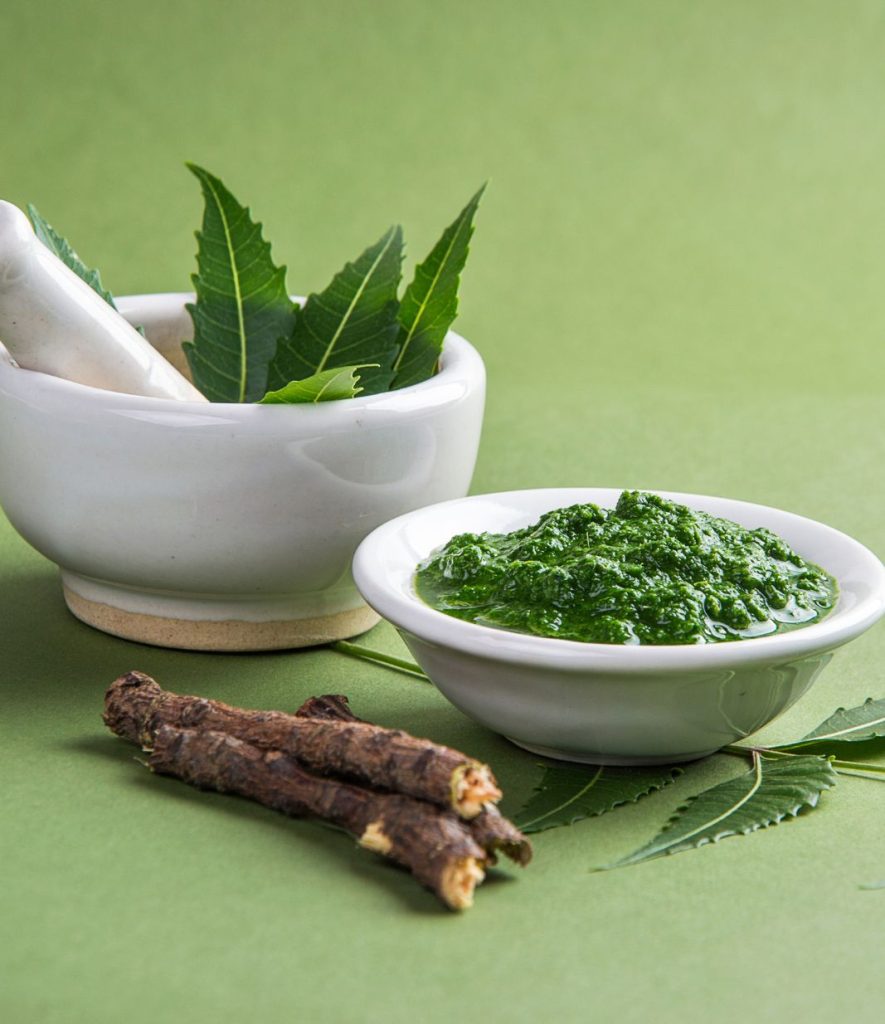
Now that you know the incredible health benefits of these medicinal plants, you might wonder, “How can I use medicinal plants in everyday life?” Start small by adding herbal teas, tinctures, or fresh herbs to your daily routine. Consult with a healthcare professional if you plan to use medicinal plants as a primary treatment for chronic conditions.

FAQ: Common Questions About Medicinal Plants
1. What is the most powerful medicinal plant?
While this depends on the condition being treated, turmeric and ashwagandha are often considered among the most powerful medicinal plants due to their broad range of benefits.
2. Can medicinal plants cure diseases?
Medicinal plants can support the body’s natural healing processes, reduce symptoms, and improve overall health. However, they are best used as complementary treatments alongside professional medical care.
3. How do I know which medicinal plant is right for me?
Research the health benefits of each plant and consider your individual health needs. For personalized advice, consult a healthcare provider or herbalist.
4. Are there any side effects of medicinal plants?
While medicinal plants are natural, some can cause allergic reactions or interact with medications. Always start with small doses and consult a professional before use.
5. Can I grow medicinal plants at home?
Absolutely! Many medicinal plants, such as aloe vera, peppermint, and rosemary, are easy to grow at home in pots or gardens.
6. What is the difference between medicinal plants and essential oils?
Medicinal plants are used in their natural form, while essential oils are concentrated extracts from plants. Both have therapeutic uses but require different methods of application.
7. How long does it take for medicinal plants to work?
The effects of medicinal plants vary depending on the plant, the dosage, and the condition being treated. Some, like peppermint for digestion, work quickly, while others, like ashwagandha, require weeks of consistent use.
Conclusion: Embrace the Healing Power of Medicinal Plants
Medicinal plants are a testament to the healing power of nature. From improving mental health to enhancing physical well-being, these plants offer solutions to many modern-day health challenges. Incorporating them into your lifestyle is not just a step toward better health but also a nod to sustainable and holistic living.
Whether you start with a soothing cup of chamomile tea or explore the adaptogenic benefits of ashwagandha, you’re sure to discover the amazing potential of these natural remedies. Why not begin your journey today?