





Enjoy free international shipping on all orders over €59.99 & a FREE lip balm.
Technical Specification Sheet
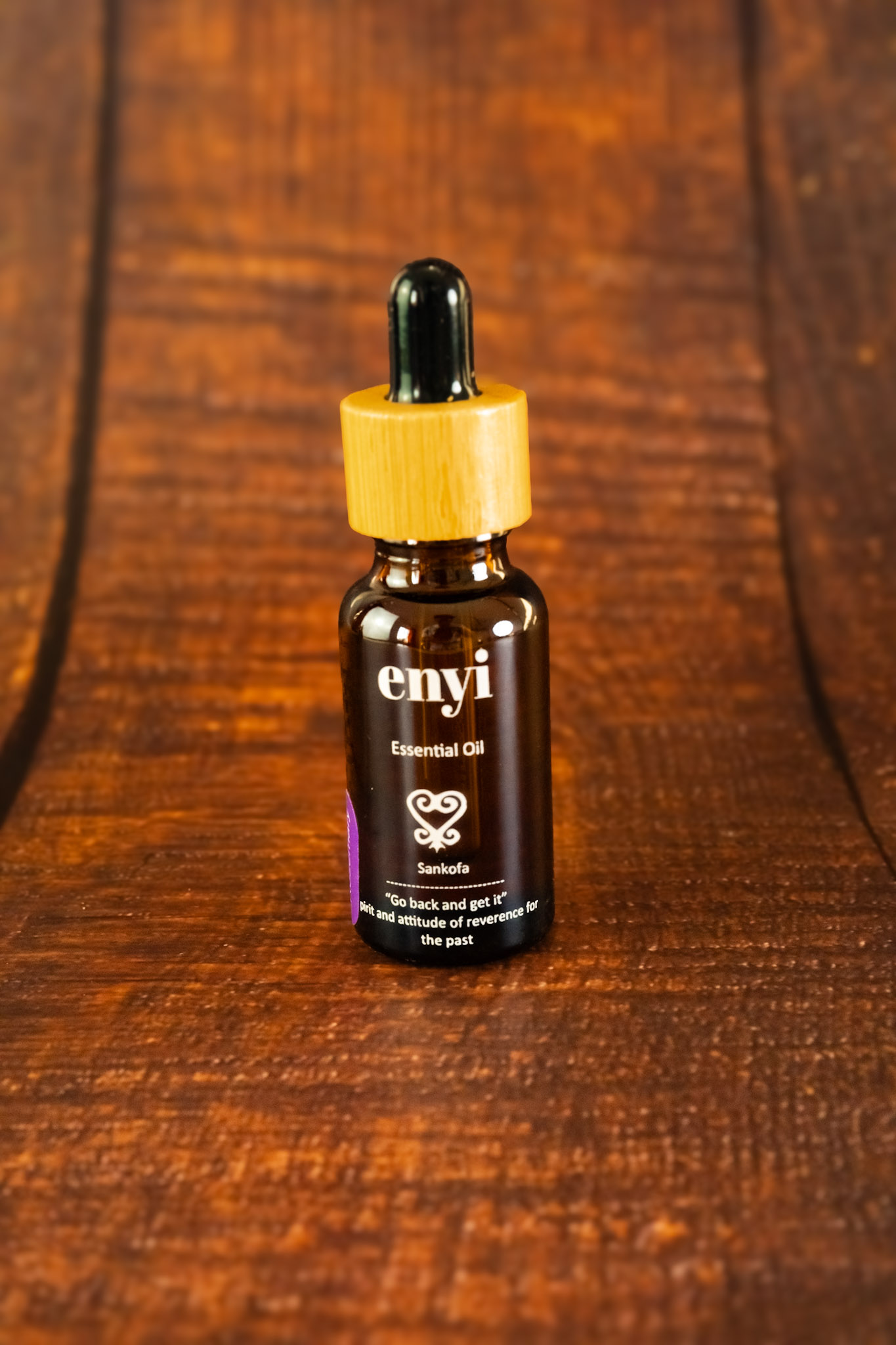
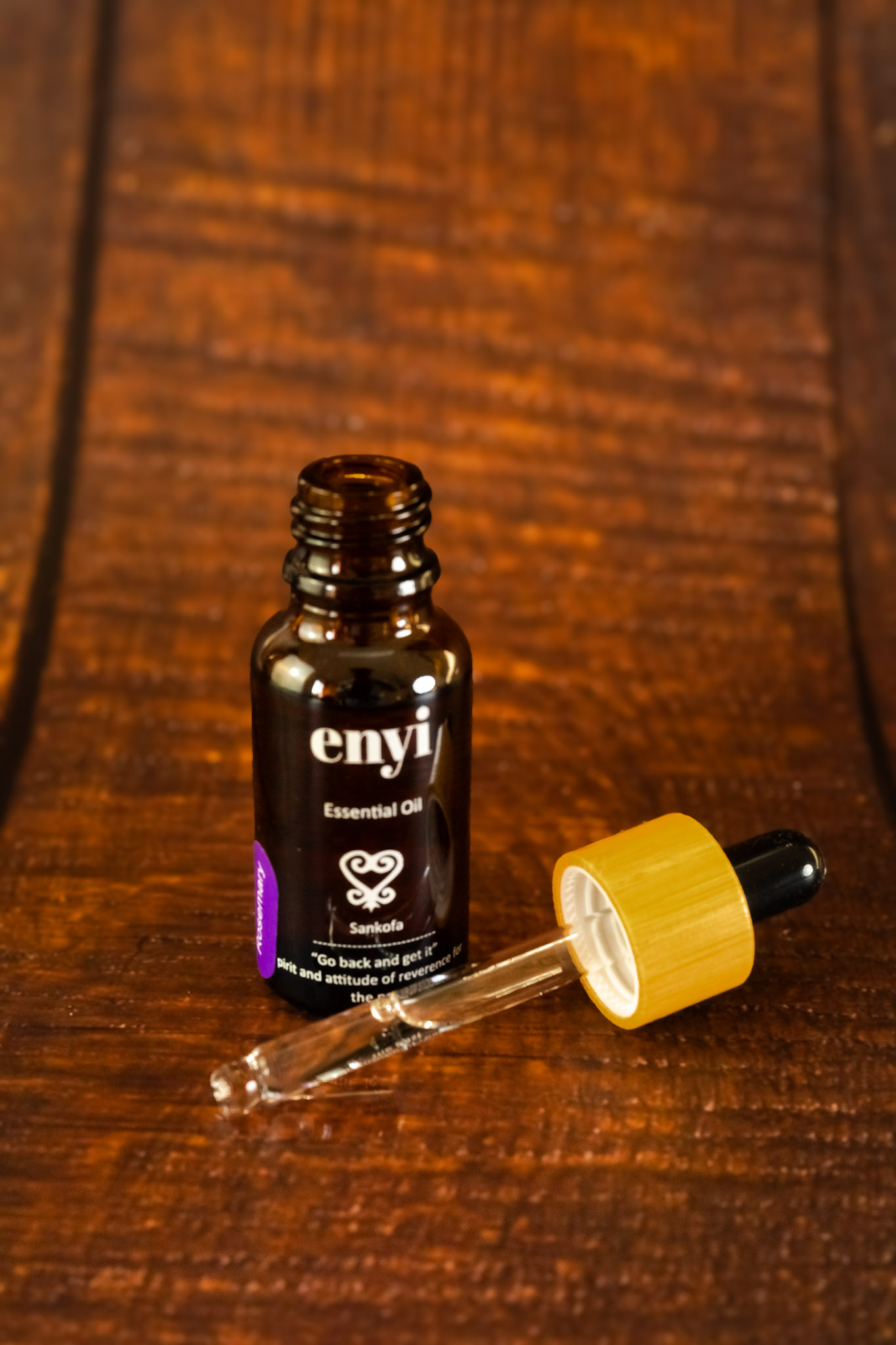
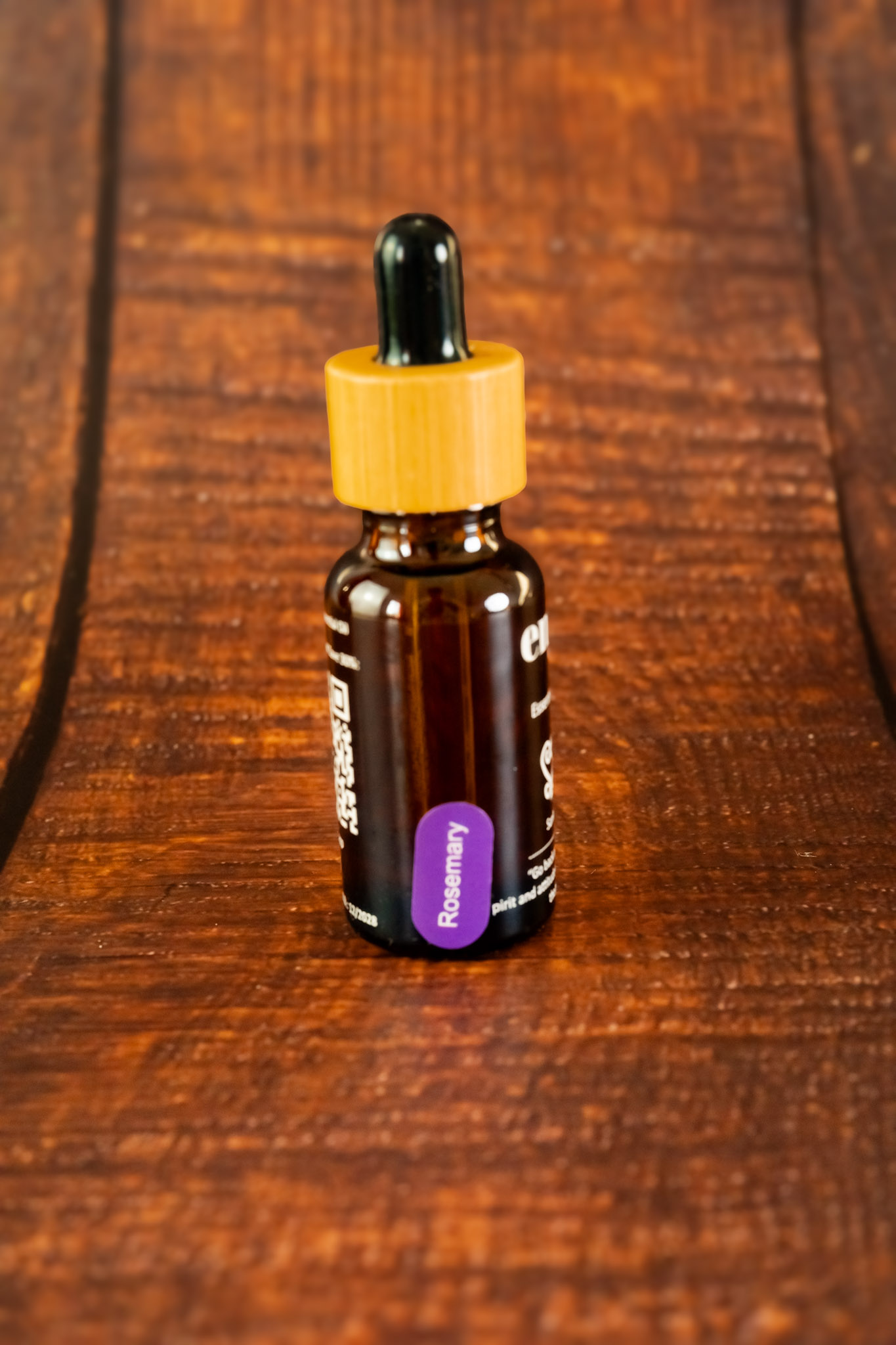
Rosemary Essential Oil
INCI Name: Rosmarinus Officinalis Leaf Oil
Common Name: Rosemary Essential Oil (Cineole Chemotype)
Botanical Source: Rosmarinus officinalis
Plant Part Used: Leaves and Flowering Tops
Extraction Method: Steam Distillation
CAS Number: 8000-25-7
EC Number: 283-291-9
Grade: Cosmetic Grade
Packaging Size: 20g
- Material Overview
Rosemary Essential Oil is obtained by steam distillation of the aerial parts of Rosmarinus officinalis.
This cosmetic-grade raw material is supplied exclusively for further incorporation into cosmetic and personal care formulations. It consists primarily of monoterpenes and oxides, contributing to its fresh, penetrating aromatic profile.
Due to its concentration and volatility, controlled inclusion levels are required in finished formulations.
- Physical & Organoleptic Characteristics
- Appearance: Clear, mobile liquid
- Color: Colorless to pale yellow
- Odor: Fresh, herbal, camphoraceous
- Solubility: Oil soluble
- Volatility: Moderate to high
Natural variation may occur depending on chemotype, climate, and harvest conditions.
- Composition & Functional Attributes
Rosemary Essential Oil (cineole type) typically contains:
- 1,8-Cineole
- Alpha-pinene
- Camphor
- Borneol
- Limonene
Composition varies significantly between chemotypes (cineole, camphor, verbenone).
Functional Contribution in Formulations
Within cosmetic systems, Rosemary Essential Oil is selected for its ability to:
- Provide herbaceous top-note intensity
- Contribute freshness to aromatic blends
- Complement mint, citrus, and woody profiles
- Integrate into emulsions, anhydrous systems, and cleansing bases as a fragrance component
Inclusion levels must comply with IFRA standards and allergen declaration requirements.
All safety, compatibility, and performance parameters must be validated within the final cosmetic formulation.
- Suitable Formulation Applications
- Fragrance components in creams and emulsions
- Hair and scalp formulations
- Soap and cleansing systems
- Anhydrous aromatic blends
- Botanical-focused cosmetic systems
Use levels must be determined through regulatory review, stability testing, and safety assessment.
- Storage & Stability
- Store in a cool, dry place
- Protect from light and heat
- Keep container tightly sealed
Exposure to heat and oxygen may alter compositional balance over time.
- Handling & Manufacturing Considerations
This material should be handled in accordance with Good Manufacturing Practice (GMP).
- Dilution prior to incorporation is recommended
- Chemotype identification should be confirmed prior to formulation
- Allergen labeling obligations must be assessed
- IFRA compliance and maximum usage limits must be observed
Compatibility testing, stability assessment, and final cosmetic safety evaluation remain the responsibility of the formulator or Responsible Person.
- Regulatory Positioning
This product is supplied strictly as a raw cosmetic ingredient for further formulation.
It is not a finished cosmetic product and is not marketed for direct consumer application.
The purchaser assumes full responsibility for compliance with Regulation (EC) No 1223/2009, IFRA standards, allergen declaration requirements, CPSR preparation, PIF documentation, labeling, stability testing, and notification procedures.
- Interesting Facts About the Raw Material
- Rosemary has multiple chemotypes with significantly different compositions.
- The cineole chemotype is widely used in cosmetic fragrance systems.
- Harvest timing influences camphor content.
- Distillation parameters affect terpene balance.
- Geographic origin can alter aromatic sharpness and complexity.
Reviews
There are no reviews yet.