


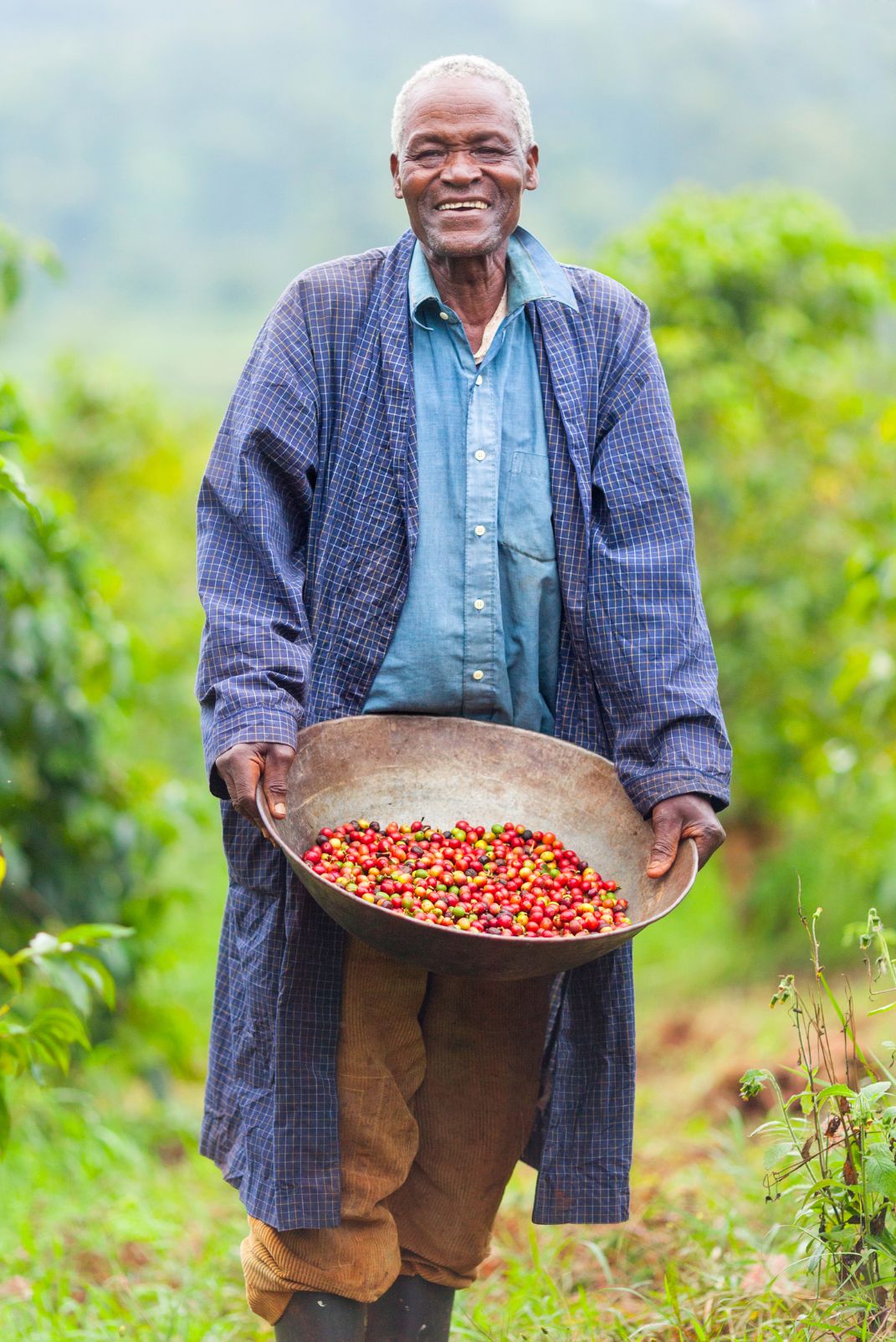
What does it really mean when a serum or balm claims to contain a fair trade ingredient? And how does it affect the people who grow, harvest, and process those ingredients?
Walk into any skincare aisle, and you’ll find bottles labeled with terms like “natural,” “sustainable,” “organic,” and increasingly—“fair trade.”
- What Is a Fair Trade Ingredient?
- The Beauty Industry’s Responsibility
- Beyond Shea Butter: Expanding the Conversation on Fair Trade Ingredients
- Fair Trade vs. Ethical Sourcing: What’s the Difference?
- How Fair Trade Ingredients Create Long-Term Change
- The Role of Brands: Turning Supply Chains Into Stories
- What We Provide as a Fair Trade Ingredient Supplier
- What You Can Do as a Brand or Buyer
- Conclusion: Choose Skincare That Cares
- Frequently Asked Questions: Fair Trade Ingredients
In an industry that often profits from materials sourced in the Global South, fair trade sourcing offers a path toward equity, sustainability, and human dignity. It’s not just about how good a product feels on your skin—but how good it feels to know that the hands behind that product were treated fairly.
As a raw cosmetic ingredient supplier, we’re deeply involved in how these materials move through the supply chain. We explore how fair trade ingredients are reshaping the beauty industry from the ground up—and how your brand or buying habits can be part of that change.
What Is a Fair Trade Ingredient?
A fair trade ingredient is any raw material that has been produced under ethical conditions that prioritize:
- Fair wages for workers and farmers
- Safe working environments
- Gender equity and non-discrimination
- Environmentally sustainable practices
- Long-term community investment
Unlike conventional trade systems, where middlemen and market volatility often strip producers of their income and autonomy, fair trade systems protect the rights and wellbeing of producers—especially in historically marginalized regions.

The Beauty Industry’s Responsibility
The beauty industry sources a large percentage of its raw ingredients from countries in Africa, South America, and Asia. But too often, the people who harvest these ingredients live in poverty and work in unsafe conditions—while their materials are sold at a massive markup in luxury cosmetics.
Here’s where the fair trade model flips the script.
When brands commit to using fair trade ingredients, they’re not just choosing higher quality—they’re choosing to:
- Build resilient communities
- Support indigenous economies
- Pay for the labor behind the luxury
It’s not charity. It’s a corrective economic model that prioritizes justice over margins.
Beyond Shea Butter: Expanding the Conversation on Fair Trade Ingredients
Let’s go beyond the usual suspects like shea butter or cocoa and explore lesser-known but equally powerful fair trade ingredients that are transforming lives while delivering exceptional benefits for skin and hair:
1. Andiroba Oil
Origin: Brazil (Amazon basin)
Community Impact: Sourced from riverbank communities that use traditional seed collection methods. Fair trade ensures stable income without disrupting forest ecosystems.
Skin Benefits: Rich in limonoids, andiroba oil helps reduce inflammation, making it ideal for eczema-prone or sensitive skin types.
2. Tamanu Oil
Origin: Polynesia and Madagascar
Community Impact: Fair trade cooperatives allow local women to earn income from fallen tamanu nuts without felling trees or disrupting biodiversity. Profits are reinvested into education and healthcare.
Skin Benefits: Naturally antimicrobial and wound-healing, tamanu oil is perfect for acne-prone formulations and scar-repair balms.
3. Purple Corn Extract
Origin: Peru
Community Impact: Andean farmers preserve heirloom crops through fair trade systems that protect seed sovereignty and improve income stability in rural areas.
Skin Benefits: A powerful antioxidant and natural colorant, purple corn extract is rich in anthocyanins, making it ideal for anti-aging and brightening skincare.
4. Ximenia Oil
Origin: Namibia
Community Impact: Harvested by San women through fair trade projects that prioritize indigenous land rights. Revenue funds school initiatives and resource access in rural communities.
Skin Benefits: A dry, silky oil that improves skin elasticity and strengthens the moisture barrier—great for mature and dry skin.
5. Babassu Oil
Origin: Brazil
Community Impact: Harvested by quebradeiras de coco (women coconut breakers) through cooperatives. Fair trade ensures income security and resists land grabs by industrial agriculture.
Skin Benefits: A light, non-comedogenic oil with a cool, dry feel—perfect for oil-balancing skincare products and scalp treatments.


Fair Trade vs. Ethical Sourcing: What’s the Difference?
While “ethical sourcing” is an important concept, it’s often loosely defined and lacks clear standards. Fair trade, on the other hand, typically involves:
- Third-party certifications (like Fair for Life, WFTO, or Fairtrade International)
- Transparent pricing structures
- Regular community audits
- Long-term supplier relationships
At Enyi, we work with cooperatives and smallholder farmers who meet or exceed these standards—whether or not they carry official certification. Why? Because for many indigenous producers, certification costs are prohibitive, even if their practices align with fair trade principles. We bridge the gap by providing documentation, supplier stories, and direct sourcing options for our clients.
How Fair Trade Ingredients Create Long-Term Change
📈 1. Economic Empowerment
Fair trade guarantees minimum pricing and stability for farmers, shielding them from fluctuating global markets. This allows them to invest in their farms, families, and futures.
🎓 2. Education & Skill Development
Many fair trade cooperatives direct a percentage of profits into school infrastructure, training programs, and entrepreneurship for women and youth in their communities.
🩺 3. Healthcare Access
Through fair trade premiums, some communities have funded mobile clinics, birth centers, and clean water projects, improving quality of life at a foundational level.
🌿 4. Environmental Stewardship
Fair trade standards require ecological conservation, encouraging practices like crop rotation, reforestation, and non-invasive harvesting that protect local ecosystems.
The Role of Brands: Turning Supply Chains Into Stories
If you’re a skincare or wellness brand, integrating fair trade ingredients into your formulations is not just an ethical win—it’s a brand-building strategy. Today’s consumers want to know:
- Who grew their ingredients?
- Were they paid fairly?
- What impact did their purchase create?
By choosing transparent, fair trade suppliers, you give your audience something far more valuable than a pretty label: a story they can be proud to be part of.
What We Provide as a Fair Trade Ingredient Supplier
At Enyi, we don’t just sell raw ingredients—we connect brands to the people, practices, and principles behind each one. Here’s what we offer:
🔍 Ingredient Traceability
We provide detailed sourcing info with every order:
- Region and community
- Processing method
- Harvest season
- Fair trade certification (if applicable)
📄 Compliance Documentation
We supply:
- COAs, MSDS
- Allergen statements
- Ethical sourcing declarations
- Photographs and narratives to support your marketing and product storytelling

🌍 Global Cooperative Network
From the Peruvian Andes to West Africa, we source directly from local cooperatives and women-led enterprises—supporting real impact through long-term partnerships.
What You Can Do as a Brand or Buyer
Whether you’re a formulator, retailer, or conscious shopper, here’s how to support fair trade ingredient sourcing:
✔ Ask for Origin Details
Don’t settle for vague supplier info. Ask where, how, and by whom your ingredients were made.
✔ Prioritize Smallholder Producers
Support ingredients that come from community-run farms and not just industrial suppliers with good PR.
✔ Tell the Full Story
Use your packaging, website, or marketing to give visibility to the people behind your ingredients.
✔ Be Willing to Pay Fairly
Fair trade costs more—but that extra cost funds healthcare, education, and sustainability. It’s an investment in dignity, not a surcharge.
Conclusion: Choose Skincare That Cares
A fair trade ingredient is more than a commodity—it’s a symbol of connection. It links the hands that harvest with the hands that apply, turning everyday beauty rituals into acts of solidarity and justice.
In a world where beauty too often comes at someone else’s expense, fair trade offers a better way forward. One where your skincare routine doesn’t just nourish your skin—it nourishes communities, protects ecosystems, and rebalances the scales.
At enyi, we’re honored to be part of that movement. And we invite you to join us—one fair trade ingredient at a time.
Frequently Asked Questions: Fair Trade Ingredients
1. What is a fair trade ingredient?
A fair trade ingredient is one that has been produced under ethical labor conditions with fair wages, safe working environments, and sustainable farming practices. It often involves third-party certification and a long-term commitment to empowering producers.
2. How is fair trade different from organic?
Fair trade focuses on people and ethics, while organic focuses on farming methods and environmental impact. Some ingredients can be both fair trade and organic, but they address different concerns in the supply chain.
3. Are fair trade ingredients more expensive?
Yes, but for good reason. The higher price reflects fair wages, ethical treatment, and environmental safeguards—and often results in higher-quality ingredients with better traceability.
4. Can small brands afford fair trade ingredients?
Absolutely. Many cooperatives and suppliers like us offer low minimums and flexible pricing to make fair trade accessible for startups and indie brands. It’s about partnership, not perfection.
5. How can I verify if an ingredient is truly fair trade?
Look for documentation like Fairtrade International, Fair for Life, or WFTO certification. Ask for sourcing transparency, farmer info, and cooperative details. If a supplier avoids your questions, that’s a red flag.