


As a raw cosmetic ingredient supplier committed to ethical sourcing and community empowerment, we believe decolonizing beauty means more than clean formulas. It means honoring the cultures, histories, and people behind every ingredient we use. From exotic ingredient names to tropical-sounding product lines, the global beauty industry has long profited from indigenous cultures—often without recognition, fair compensation, or ethical sourcing. Words like “inspired by tradition” are casually used to sell luxury face creams or oils sourced from indigenous communities, while the communities themselves remain underpaid, uncredited, or excluded from the global narrative.
- The Colonial Pattern of Ingredient Extraction
- Why Indigenous Knowledge Matters in Skincare
- Reclaiming Indigenous Ingredients: A Supplier’s Commitment
- The Problem with “Inspired By” Marketing
- Ingredient Spotlight: Indigenous Ingredients We Supply (With Credit)
- Why Beauty Brands Must Go Beyond Fair Trade
- Decolonization and Product Development: A Better Way Forward
- How Consumers Can Support Decolonized Beauty
- Conclusion: A More Just, Beautiful Future
- Frequently Asked Questions: Decolonizing Beauty & Indigenous Ingredients
Now, a shift is happening. As consumers demand transparency and accountability, beauty brands are being called to decolonize their practices—starting with how and where they source their ingredients.
What Does “Decolonizing Beauty” Mean?
To decolonize beauty is to challenge the systems that have historically prioritized Western beauty ideals, Eurocentric knowledge, and extractive capitalism. It involves:
- Reclaiming indigenous ingredients and formulations
- Centering the voices of native producers and traditional healers
- Sharing profits and decision-making power with origin communities
- Respecting the cultural and medicinal roots of ingredients
It’s not a trend. It’s a reckoning—and a reconnection.
The Colonial Pattern of Ingredient Extraction
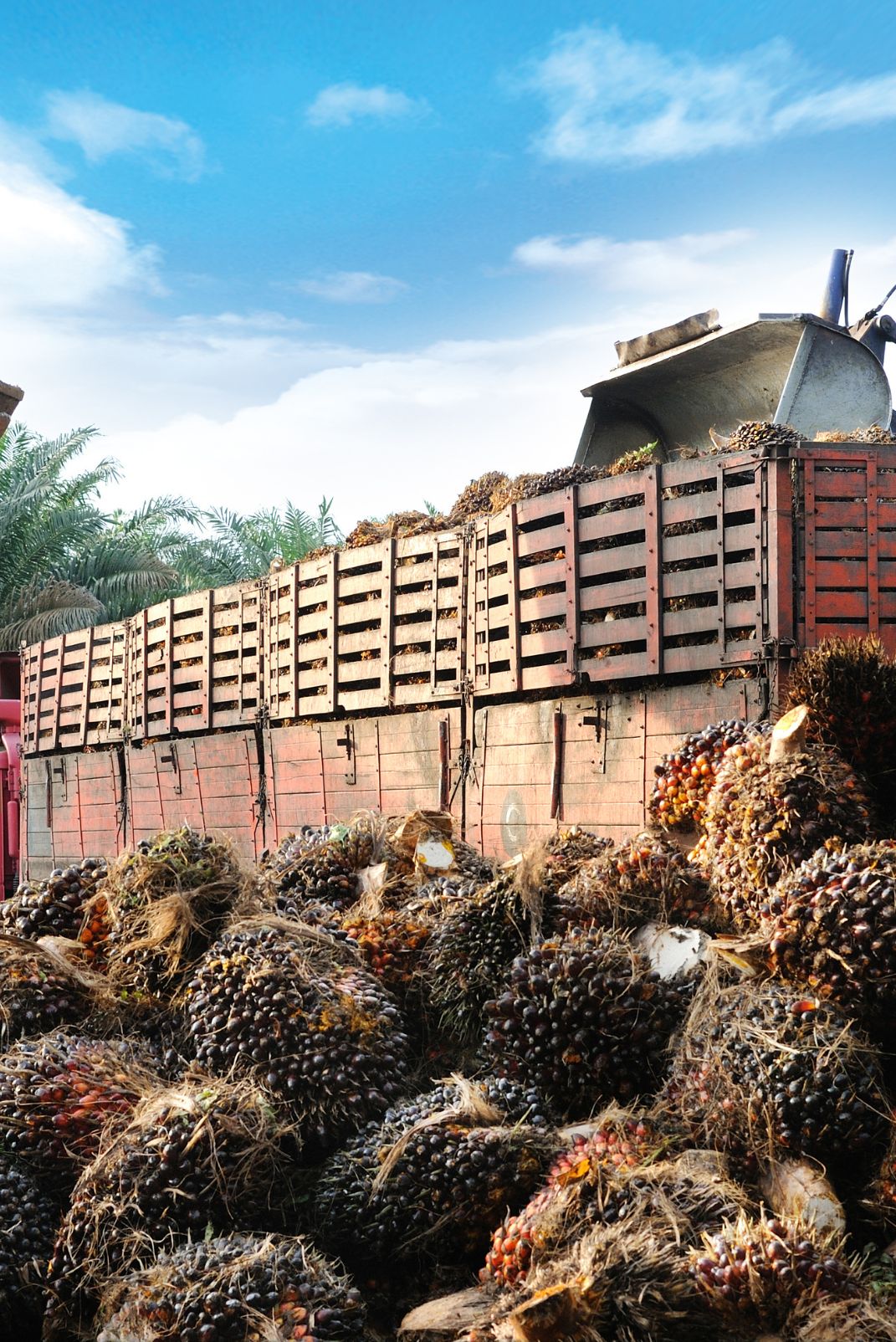
Historically, colonizers identified valuable plants, herbs, and oils used by local communities and exported them to the West. These ingredients—like shea butter, marula oil, turmeric, frankincense, and more—became high-end components in perfumes and skincare without acknowledging their indigenous origins or the people who cultivated them for generations.
This isn’t just history—it’s still happening. Even today, major companies profit from these ingredients without engaging in fair trade, ethical sourcing, or cultural acknowledgment.
Why Indigenous Knowledge Matters in Skincare
Modern science is only now validating what indigenous communities have known for centuries: plant based healing works.
For example:
- Amla (used in Ayurvedic medicine) is rich in vitamin C and antioxidant properties.
- Shea butter (used in West African cultures) is a powerful moisturizer and skin protector.
- Baobab oil (used across Africa) supports skin elasticity and regeneration.
- Turmeric (a cornerstone of Indian and Southeast Asian rituals) has strong anti-inflammatory effects.
These aren’t new discoveries—they’re rediscovered truths.
As a supplier, our job is not to extract these ingredients. It’s to partner with the communities who own this knowledge, ensuring their contributions are respected, protected, and rewarded.
Reclaiming Indigenous Ingredients: A Supplier’s Commitment
At enyi, we’ve built direct relationships with producers who carry ancestral knowledge in every step of the harvesting and processing process. Decolonizing beauty for us means:
✅ Working Directly with Indigenous Cooperatives
We source our shea butter from women-led cooperatives in Ghana, where traditional processing methods are preserved, and profits are reinvested locally. These women aren’t laborers—they’re knowledge keepers.
✅ Supporting Ancestral Farming Practices
Rather than pushing for monoculture efficiency, we honor and promote regenerative farming rooted in indigenous practice—like intercropping, seed-saving, and seasonal harvesting.
✅ Providing Visibility and Credit
We offer full ingredient traceability—not just for transparency, but to highlight the cultural story behind the ingredient. Brands working with us can showcase this story in their packaging and marketing to educate consumers and uplift origin communities.
The Problem with “Inspired By” Marketing
Words like “inspired by tribal remedies” or “based on ancient rituals” often erase the real people who created and preserved these remedies. This kind of marketing:
- Strips away cultural context
- Profits off traditions while excluding traditional practitioners
- Repackages ancestral wisdom as “exotic” for Western appeal
Decolonizing beauty means giving credit—and compensation—where it’s due.
Brands that benefit from these traditions have a responsibility to:
- Acknowledge the cultural source
- Seek permission when appropriate
- Invest in the sustainability of the communities involved
Ingredient Spotlight: Indigenous Ingredients We Supply (With Credit)
| Ingredient | Indigenous Origin | Traditional Use | Enyi’s Ethical Source |
|---|---|---|---|
| Shea Butter | West Africa | Moisturizing, skin protection | Women’s cooperatives in Ghana |
| Amla Oil | India (Ayurveda) | Hair & skin rejuvenation | Fair trade farms in Tamil Nadu |
| Baobab Oil | Sub-Saharan Africa | Skin elasticity, healing | Community harvesters in Senegal |
| Turmeric Oil | India, SE Asia | Brightening, inflammation | Organic farms in Kerala |
| Rosehip Oil | Andes, South America | Scar repair, skin tone evenness | Indigenous Mapuche growers |
Why Beauty Brands Must Go Beyond Fair Trade
Fair trade is important, but it’s not enough. It ensures minimum wages and safety—but decolonizing beauty calls for co-creation, representation, and profit-sharing.
We encourage our brand partners to:
- Co-brand with the communities they source from
- Share educational content that highlights traditional uses
- Involve indigenous leaders in product development and storytelling
This kind of transparency isn’t just ethical—it builds deep customer trust.
Decolonization and Product Development: A Better Way Forward
If you’re a formulator or skincare entrepreneur, here’s how to start decolonizing your brand at the ingredient level:
🔍 1. Audit Your Ingredient Sources
Ask: Where are these ingredients grown? Who processes them? Are they being fairly paid and recognized?
🤝 2. Work with Transparent Suppliers
Choose partners who can provide traceability, origin stories, and certifications rooted in ethics—not just efficiency.
📣 3. Acknowledge Cultural Origins
Use your platform to tell the full story of your ingredients—not just the benefits, but the people and places behind them.
💬 4. Avoid Extractive Marketing
Be mindful of your language. Terms like “tribal,” “ethnic,” or “ancient secrets” can reinforce harmful stereotypes. Replace them with accurate, respectful language that centers the communities involved.
How Consumers Can Support Decolonized Beauty
Even if you’re not a formulator, your purchases matter. Here’s how conscious consumers can support the decolonization of the beauty industry:
- Look for brands that highlight the origin of their ingredients
- Support companies that work directly with producers
- Choose products that come with cultural context, not just buzzwords
- Avoid brands that exoticize or romanticize indigenous practices without proper attribution
Every purchase is a vote for the kind of beauty industry you want to see.
Conclusion: A More Just, Beautiful Future
Decolonizing beauty isn’t about canceling ingredients—it’s about honoring them.
It’s about shifting from a model of extraction to one of relationship, respect, and reciprocity. Whether you’re sourcing ingredients, building a brand, or shopping for skincare, you can help rewrite the story.
At enyi, we’re committed to providing not just raw cosmetic ingredients, but radical transparency. Because every drop of oil, every grain of powder, and every botanical extract we offer has a history—and that story deserves to be told.
Frequently Asked Questions: Decolonizing Beauty & Indigenous Ingredients
1. What does “decolonizing beauty” mean?
Decolonizing beauty involves challenging the systems that have exploited indigenous cultures, ingredients, and knowledge for profit—without recognition or fair compensation. It means shifting toward ethical sourcing, cultural acknowledgment, and shared ownership in the beauty space.
2. How are indigenous ingredients used in skincare?
Many of the world’s most effective skincare ingredients have indigenous roots—such as shea butter, amla, baobab oil, and turmeric. These ingredients have been used for centuries for their healing, moisturizing, and protective properties.
3. What is the difference between “natural” and “indigenous” ingredients?
“Natural” refers to an ingredient’s origin in nature (not synthetic), while “indigenous” refers to where the ingredient has traditionally been used, and by whom. An ingredient can be natural but not indigenous to a region. Indigenous ingredients carry cultural and medicinal context that should be respected and preserved.
4. Why is it important to source from indigenous communities directly?
Direct sourcing ensures that the people who have cultivated and protected these ingredients for generations are paid fairly, credited, and involved in the process. It prevents exploitation and supports cultural preservation.
5. How can brands avoid cultural appropriation in beauty?
Brands can avoid appropriation by:
Avoiding language or imagery that stereotypes or exoticizes indigenous cultures
Giving credit to the cultures behind the ingredients
Involving origin communities in storytelling and product design
Paying fair prices and sharing profits where possible