



Indoor plants are more than just decorative additions to your home—they are natural air purifiers, mood boosters, and can even improve your overall health and well-being. Whether you’re new to plant care or a seasoned green thumb, these indoor plants are easy to maintain and come with numerous benefits. In this article, we’ll explore seven popular indoor plants that clean the air, promote better health, and make your living space more inviting. We’ll also tackle some frequently asked questions about air-purifying plants and their benefits.
Adding indoor plants to your home is like inviting nature indoors – they clean the air, calm the mind, and turn any space into a sanctuary of well-being.”
Francis M.
Why Indoor Plants Matter
Adding indoor plants to your home offers several benefits:
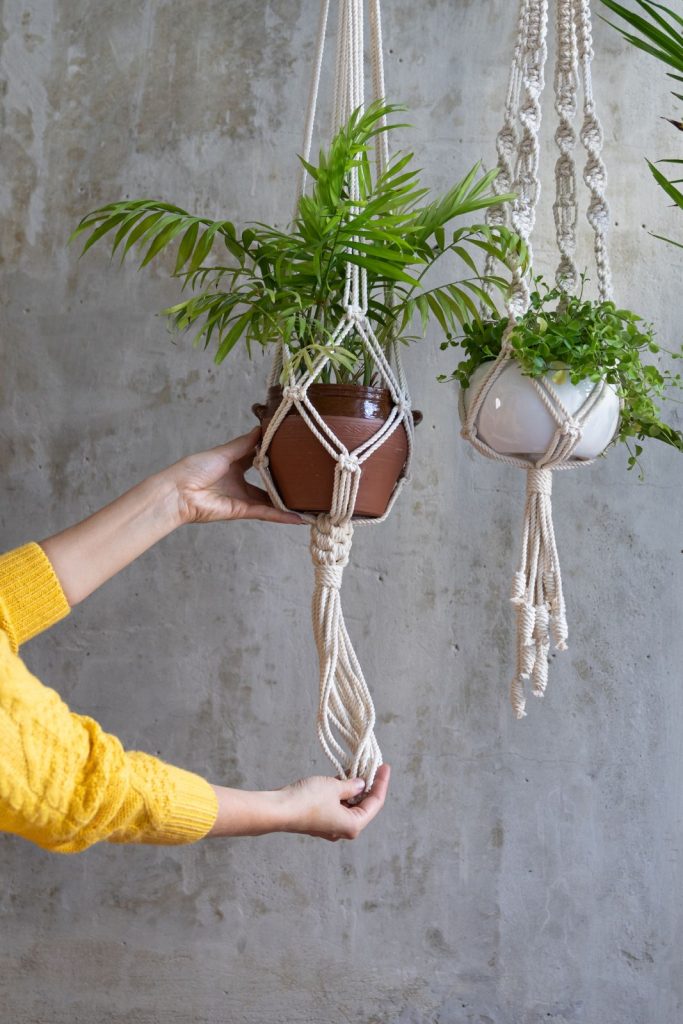
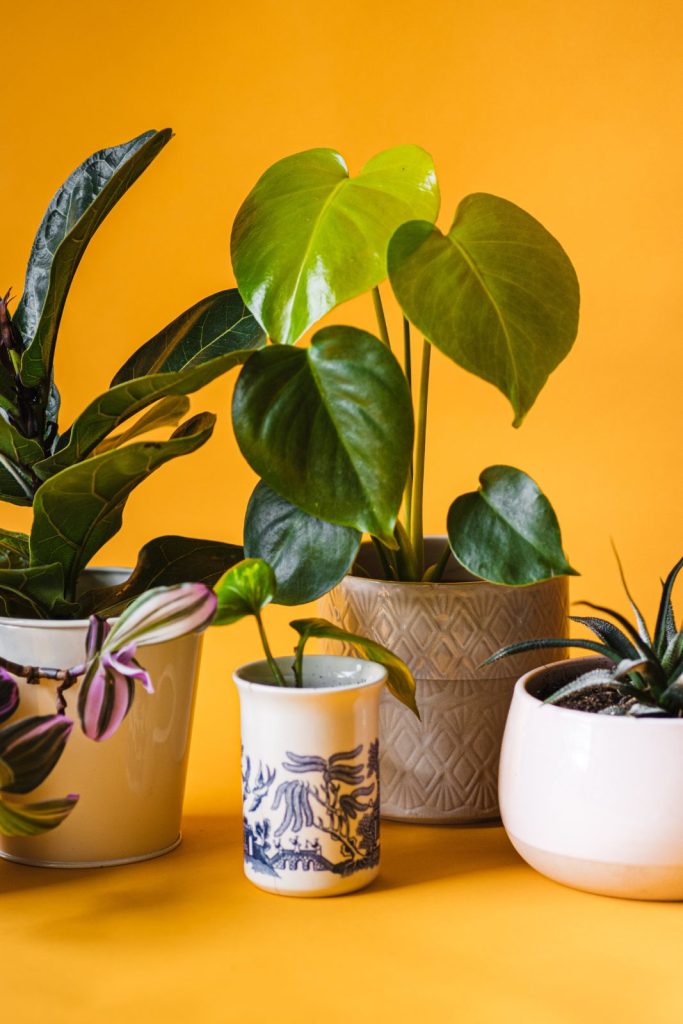
- Improved Air Quality: Certain plants can remove harmful toxins like benzene, formaldehyde, and carbon monoxide from the air.
- Enhanced Well-being: Indoor plants reduce stress, improve focus, and increase productivity.
- Better Sleep: Some plants release oxygen at night, promoting restful sleep.
- Aesthetic Appeal: They add a natural, vibrant touch to any room.
1. Snake Plant (Sansevieria Trifasciata)
Keywords: Air purifying plants, easy indoor plants for beginners
Snake plants, also known as “Mother-in-Law’s Tongue,” are one of the most effective air-purifying plants. They are hardy, low-maintenance, and can thrive in low light.
Benefits:
- Removes toxins like formaldehyde and benzene.
- Releases oxygen at night, making it ideal for bedrooms.
Care Tips:
- Water sparingly; they tolerate dry conditions.
- Place in indirect sunlight.
2. Peace Lily (Spathiphyllum)
Keywords: Indoor plants for living room, What plant cleans air?
The peace lily is a beautiful flowering plant known for its ability to clean the air and add elegance to your space.
Benefits:
- Removes mold spores and volatile organic compounds (VOCs).
- Absorbs toxins like ammonia and benzene.
Care Tips:
- Keep in bright, indirect sunlight.
- Water when the soil feels dry, but avoid overwatering.
Fun Fact: The peace lily is among the top NASA-recommended plants for air purification.



3. Spider Plant (Chlorophytum Comosum)
Keywords: Indoor plants names, easy indoor plants for beginners
Spider plants are popular for their unique appearance and air-purifying properties. They’re perfect for beginners due to their resilience.
Benefits:
- Eliminates carbon monoxide, formaldehyde, and xylene.
- Pet-friendly and non-toxic.
Care Tips:
- Thrive in bright, indirect light but tolerate low light.
- Water moderately and allow the soil to dry out between waterings.
4. Bamboo Palm (Chamaedorea Seifrizii)
The bamboo palm is an excellent choice for large living rooms, as it grows tall and adds a tropical vibe to your decor.
Benefits:
- Removes air pollutants like formaldehyde and benzene.
- Adds humidity to the air, which is beneficial in dry climates.
Care Tips:
- Place in a well-lit area, but avoid direct sunlight.
- Keep the soil consistently moist.
5. Aloe Vera
Keywords: Indoor plants names, Which plant cleans air?
Aloe vera is not only a great air purifier but also has medicinal properties. Its gel can be used to soothe burns and cuts.
Benefits:
- Absorbs carbon dioxide and releases oxygen at night.
- Filters out harmful toxins like formaldehyde.
Care Tips:
- Place in bright, indirect sunlight.
- Water deeply but allow the soil to dry out completely between waterings.
Pro Tip: Keep aloe vera in your bedroom for a natural oxygen boost while you sleep.
6. Areca Palm (Dypsis Lutescens)
Keywords: Indoor plants for living room, air purifying plants
Areca palms, also known as butterfly palms, are among the best plants for improving indoor air quality.
Benefits:
- Removes airborne toxins and adds moisture to the air.
- Acts as a natural humidifier, which is great for respiratory health.
Care Tips:
- Place in a bright spot with indirect sunlight.
- Water regularly, ensuring the soil stays moist but not soggy.
Fun Fact: The Areca palm can remove mold spores from the air, making it ideal for homes with high humidity.

7. Boston Fern (Nephrolepis Exaltata)
Keywords: Which plant removes 78% of airborne mold?
Boston ferns are highly effective at removing airborne mold and other pollutants. They’re a great choice for bathrooms or kitchens.
Benefits:
- Known to remove up to 78% of airborne mold spores.
- Increases humidity levels in dry environments.
Care Tips:
- Keep in a humid spot with indirect light.
- Mist the leaves regularly to prevent them from drying out.
Frequently Asked Questions (FAQs)
1. What is the best plant for indoors?
The snake plant is one of the best indoor plants due to its low maintenance, air-purifying properties, and ability to release oxygen at night.
2. What plant removes 78% of airborne mold?
Boston ferns are highly effective at removing airborne mold spores, making them ideal for humid environments.
3. Which plant is lucky for a bedroom?
The peace lily is considered a lucky plant for bedrooms, as it promotes peace, harmony, and clean air.
4. Which plant cleans air the most?
According to NASA’s Clean Air Study, the peace lily and snake plant are among the top plants for cleaning indoor air.
5. Are indoor plants safe for pets?
Some indoor plants, like the spider plant, are pet-friendly. However, others, like peace lilies and aloe vera, can be toxic to pets. Always research before introducing a plant into a pet-friendly home.
6. Can indoor plants improve mental health?
Yes! Indoor plants have been shown to reduce stress, improve focus, and boost overall mood by bringing nature indoors.
7. How often should I water my indoor plants?
Watering needs vary by plant type. As a general rule, most indoor plants should be watered when the top inch of soil feels dry. Overwatering is one of the most common mistakes.
Additional Tips for Choosing and Caring for Indoor Plants
- Start Small: If you’re new to indoor plants, begin with low-maintenance options like the snake plant or spider plant.
- Group Plants Together: Placing plants together can create a micro-humid environment, which benefits plants that thrive in moisture.
- Rotate Plants: Rotate your plants periodically to ensure all sides receive adequate light.
- Prune Regularly: Trim dead leaves and overgrown branches to keep your plants healthy and aesthetically pleasing.
- Use the Right Pot: Ensure your plants have adequate drainage to prevent root rot.
Benefits of Indoor Plants
Incorporating indoor plants into your home doesn’t just beautify your space; it transforms your living environment. Key benefits include:
- Cleaner Air: Plants absorb toxins and release oxygen, creating a healthier indoor atmosphere.
- Natural Humidifiers: Plants like bamboo palms and ferns add moisture to the air, which can improve respiratory health.
- Stress Reduction: Greenery has a calming effect, making indoor plants perfect for homes, offices, and bedrooms.
- Boosted Productivity: Studies show that having plants in your workspace increases focus and creativity.
- Aesthetic Appeal: Plants add a natural, vibrant touch to your decor.
Final Thoughts
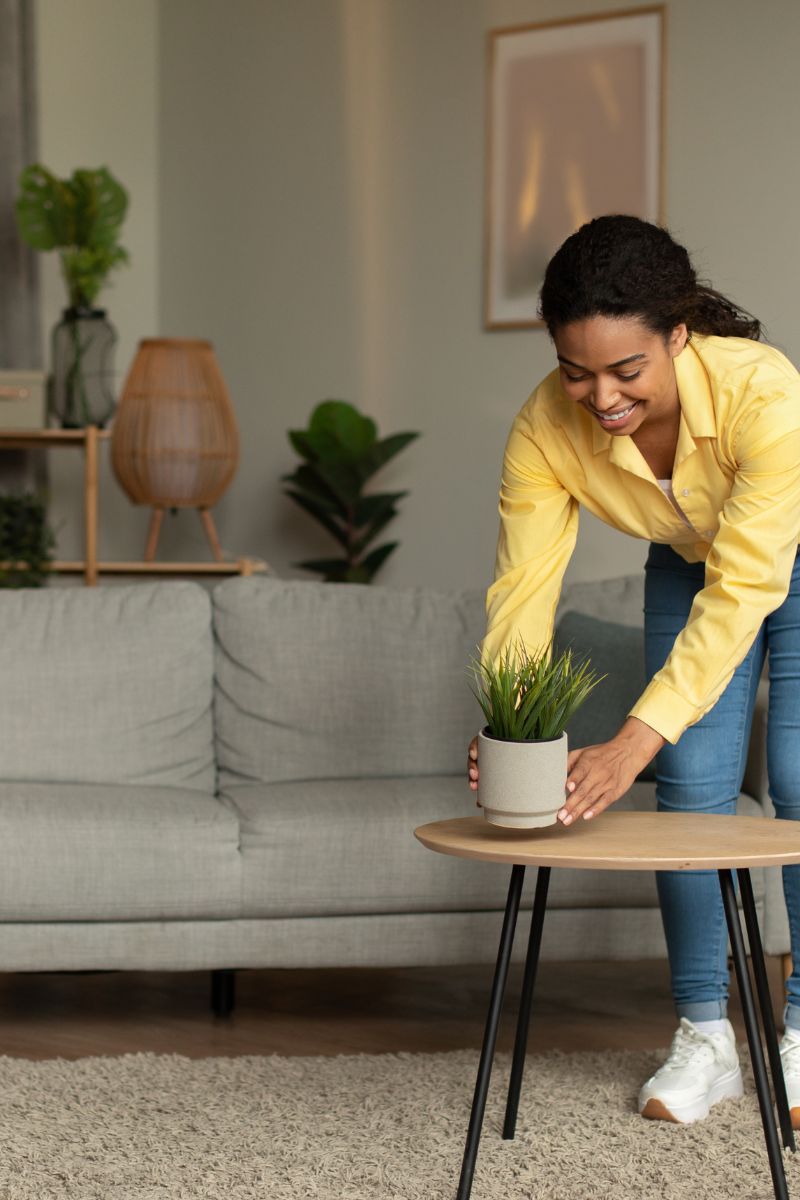
Indoor plants are a wonderful addition to any home, offering benefits that go beyond aesthetics. From purifying the air to improving mental well-being, these plants are powerful allies in creating a healthier living space. Whether you’re a beginner or an experienced plant parent, these seven indoor plants are excellent choices for enhancing your home environment.
Start small, explore different options, and enjoy the transformation that indoor plants bring to your life. Happy planting!