





Enjoy free international shipping on all orders over €59.99 & a FREE lip balm
Technical Specification Sheet
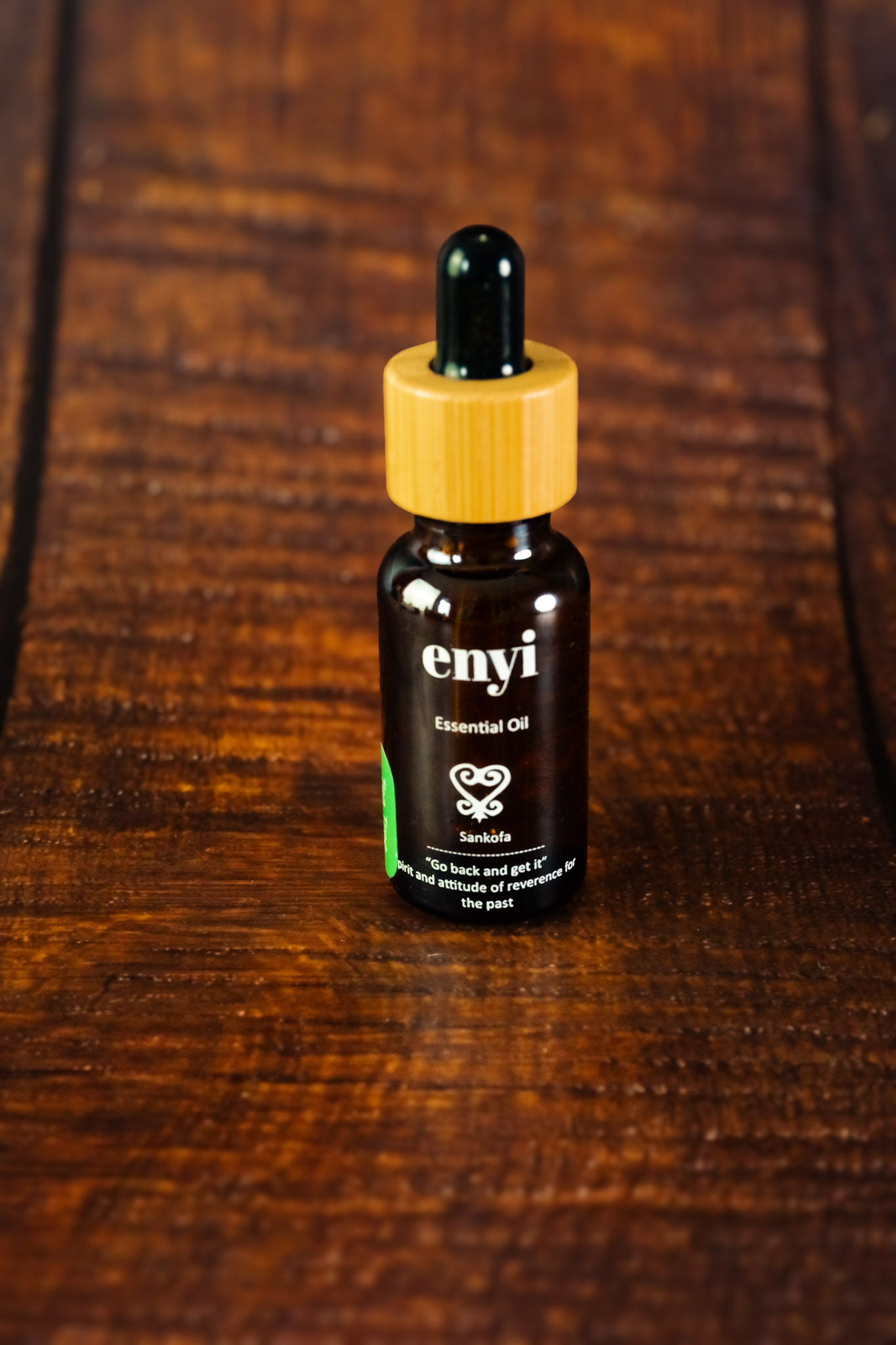
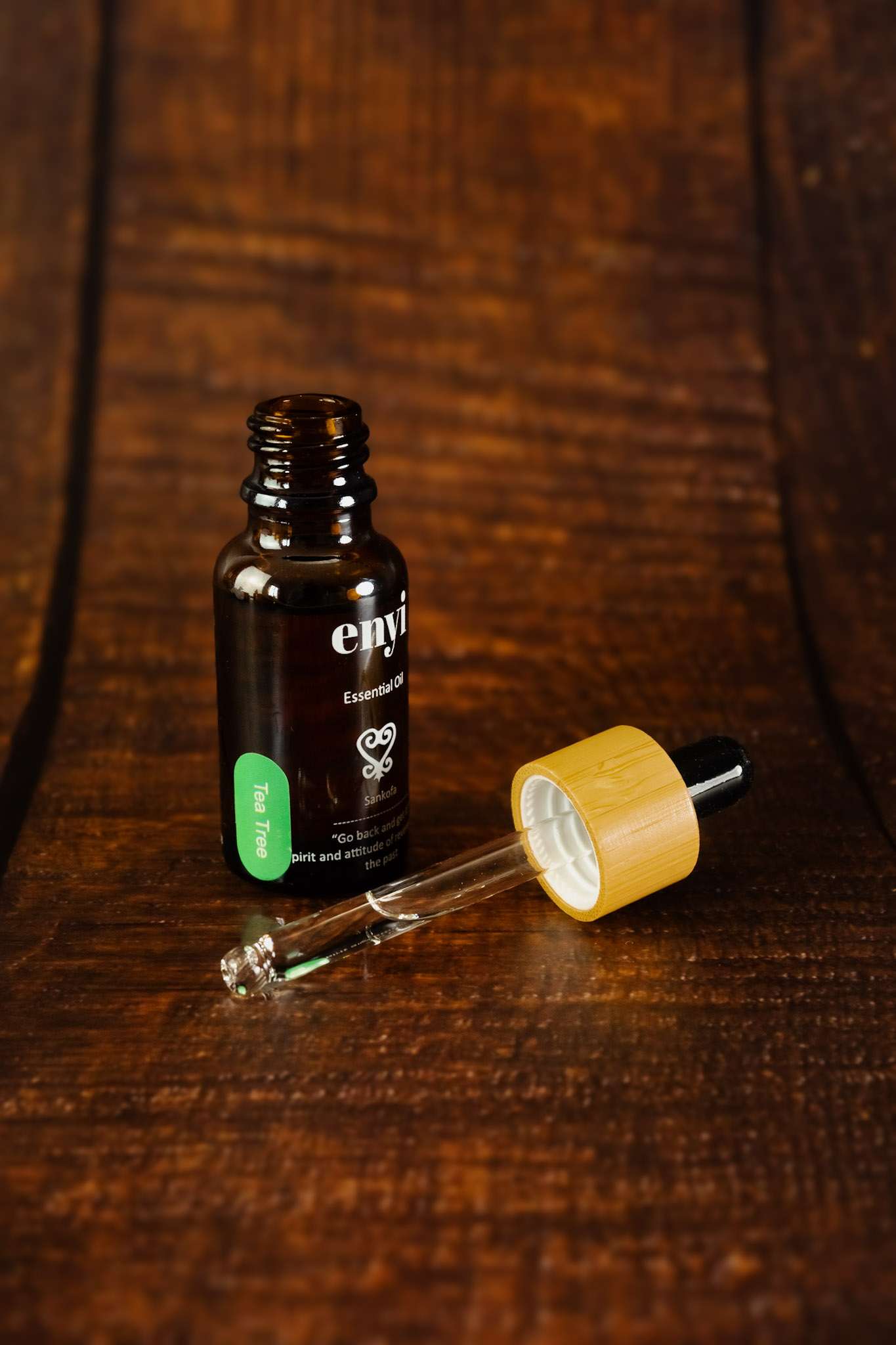
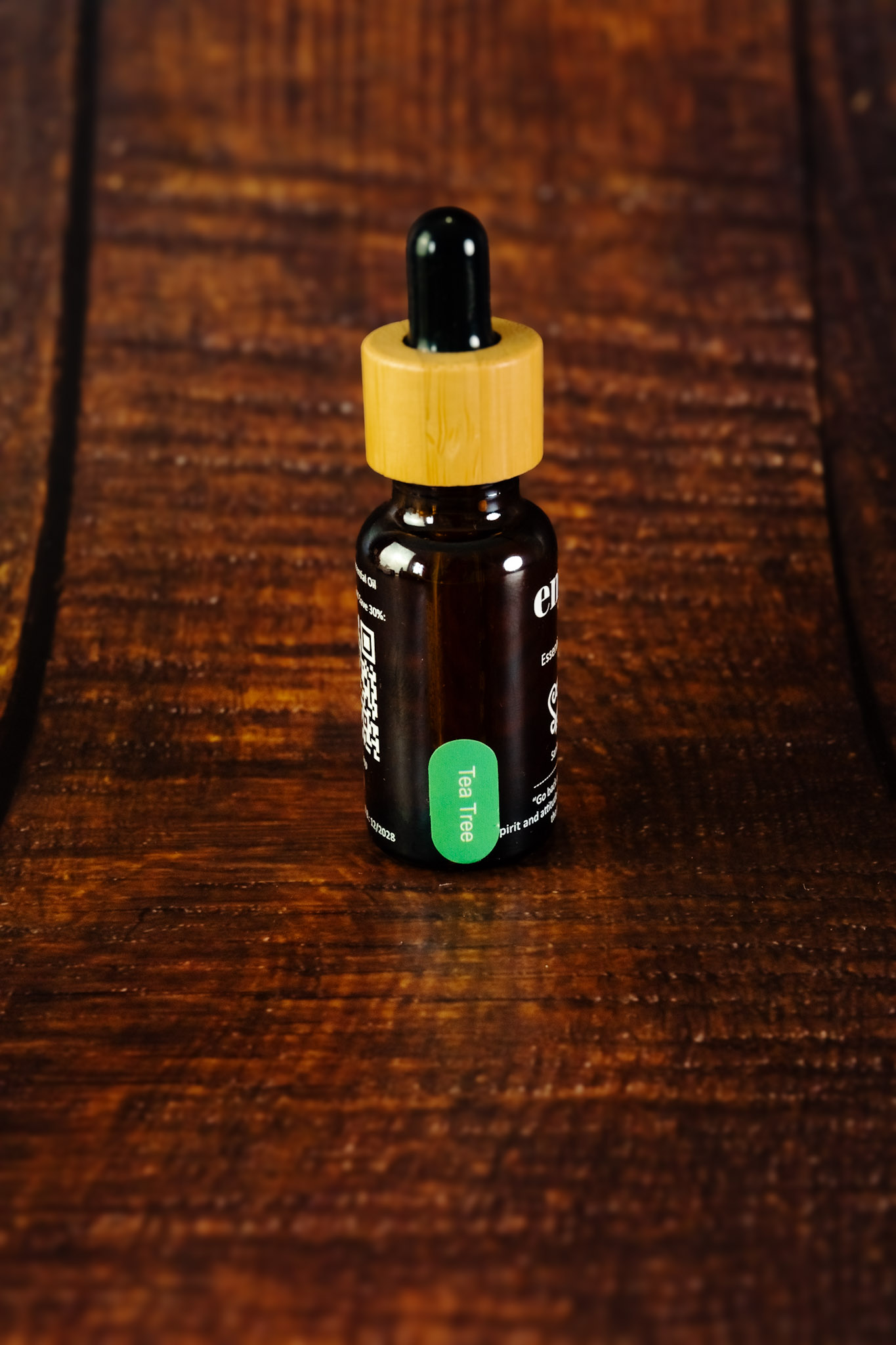
Tea Tree Essential Oil
INCI Name: Melaleuca Alternifolia Leaf Oil
Common Name: Tea Tree Essential Oil
Botanical Source: Melaleuca alternifolia
Plant Part Used: Leaves and Twigs
Extraction Method: Steam Distillation
CAS Number: 68647-73-4
EC Number: 271-781-5
Grade: Cosmetic Grade
Packaging Size: 20g
- Material Overview
Tea Tree Essential Oil is obtained by steam distillation of the leaves and twigs of Melaleuca alternifolia.
This cosmetic-grade raw material is supplied exclusively for further incorporation into cosmetic and personal care formulations. Its composition is dominated by terpinen-4-ol and related terpenes, providing the signature sharp, fresh, and herbaceous aroma.
Controlled inclusion levels are recommended due to its high volatility and potent aromatic character.
- Physical & Organoleptic Characteristics
- Appearance: Clear to pale yellow liquid
- Color: Colorless to light yellow
- Odor: Fresh, sharp, medicinal, herbaceous
- Solubility: Oil soluble
- Volatility: High
Natural variation in color and aroma may occur depending on origin, leaf maturity, and distillation parameters.
- Composition & Functional Attributes
Tea Tree Essential Oil typically contains:
- Terpinen-4-ol
- Gamma-terpinene
- Alpha-terpinene
- 1,8-Cineole (low in cosmetic-grade oil)
- Alpha-pinene
Composition may vary depending on region, harvest time, and distillation methods.
Functional Contribution in Formulations
Within cosmetic systems, Tea Tree Essential Oil is selected for its ability to:
- Provide a sharp top-note in fragrance compositions
- Contribute herbal, clean, and green aroma profiles
- Complement citrus, woody, and floral accords
- Integrate into emulsions, anhydrous systems, and cleansing bases as a fragrance component
Inclusion levels must comply with IFRA standards and allergen declaration requirements. All safety and performance parameters must be validated within the final cosmetic formulation.
- Suitable Formulation Applications
- Fragrance components in creams and emulsions
- Hair and scalp formulations
- Soap and cleansing systems
- Anhydrous aromatic blends
- Botanical-focused cosmetic systems
Use levels must be determined through regulatory review, stability testing, and safety assessment.
- Storage & Stability
- Store in a cool, dry place
- Protect from light and heat
- Keep container tightly sealed
Exposure to heat, air, or light may affect composition and aroma.
- Handling & Manufacturing Considerations
This material should be handled in accordance with Good Manufacturing Practice (GMP).
- Dilution prior to incorporation is recommended
- Allergen labeling obligations must be assessed
- IFRA compliance and maximum usage limits must be observed
Compatibility testing, stability assessment, and final cosmetic safety evaluation remain the responsibility of the formulator or Responsible Person.
- Regulatory Positioning
This product is supplied strictly as a raw cosmetic ingredient for further formulation.
It is not a finished cosmetic product and is not marketed for direct consumer application.
The purchaser assumes full responsibility for compliance with Regulation (EC) No 1223/2009, IFRA standards, allergen declaration requirements, CPSR preparation, PIF documentation, labeling, stability testing, and notification procedures.
- Interesting Facts About the Raw Material
- Tea Tree oil is native to Australia and has been harvested traditionally for centuries.
- Terpinen-4-ol is the primary contributor to its distinctive aroma.
- Distillation of fresh leaves preserves its herbal and medicinal profile.
- Its aromatic profile is often used as a “clean” top note in cosmetic fragrance design.
- Chemotypic variation exists, but cosmetic-grade oils typically minimize 1,8-cineole to reduce sharpness.
Reviews
There are no reviews yet.