


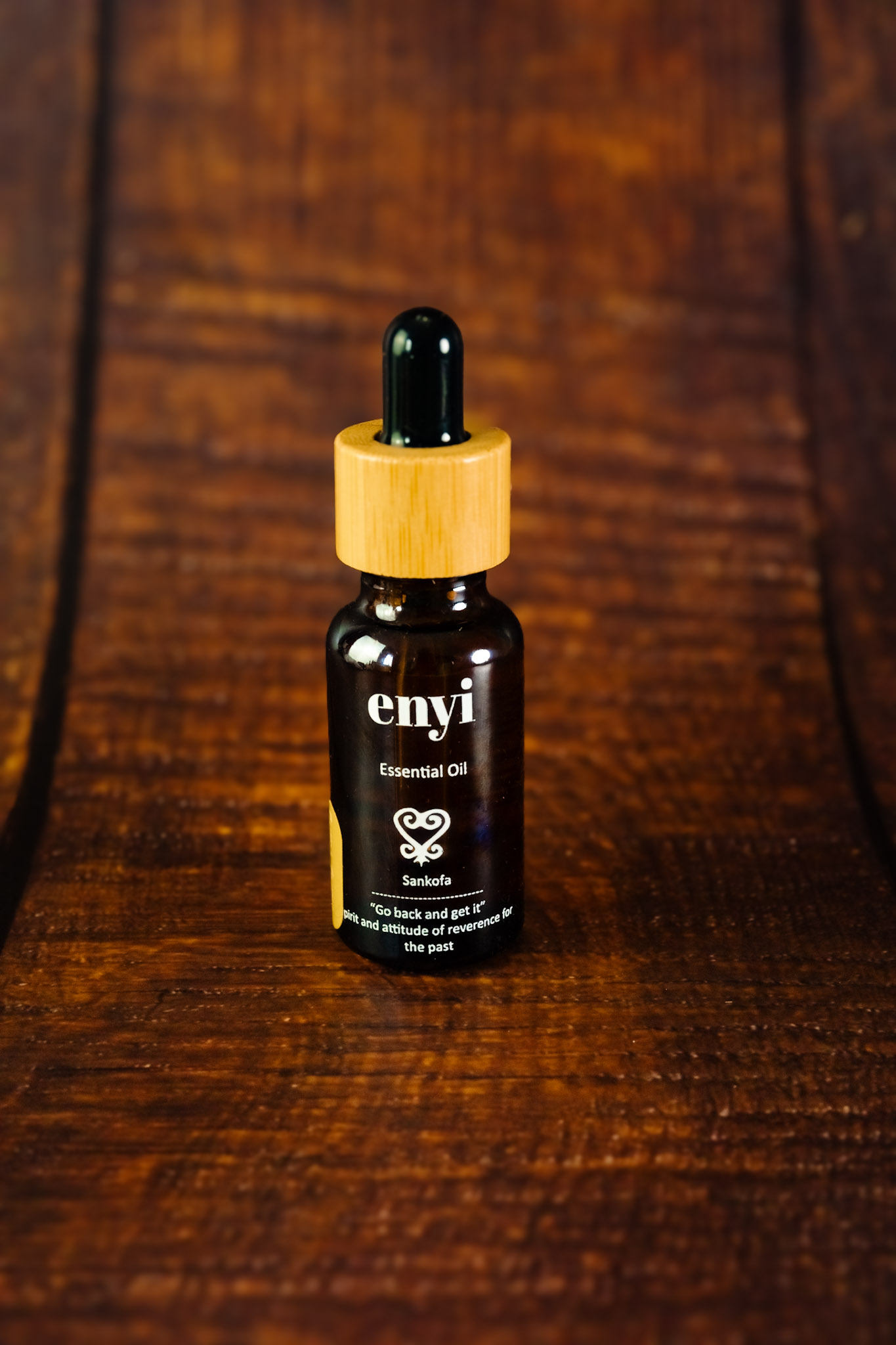

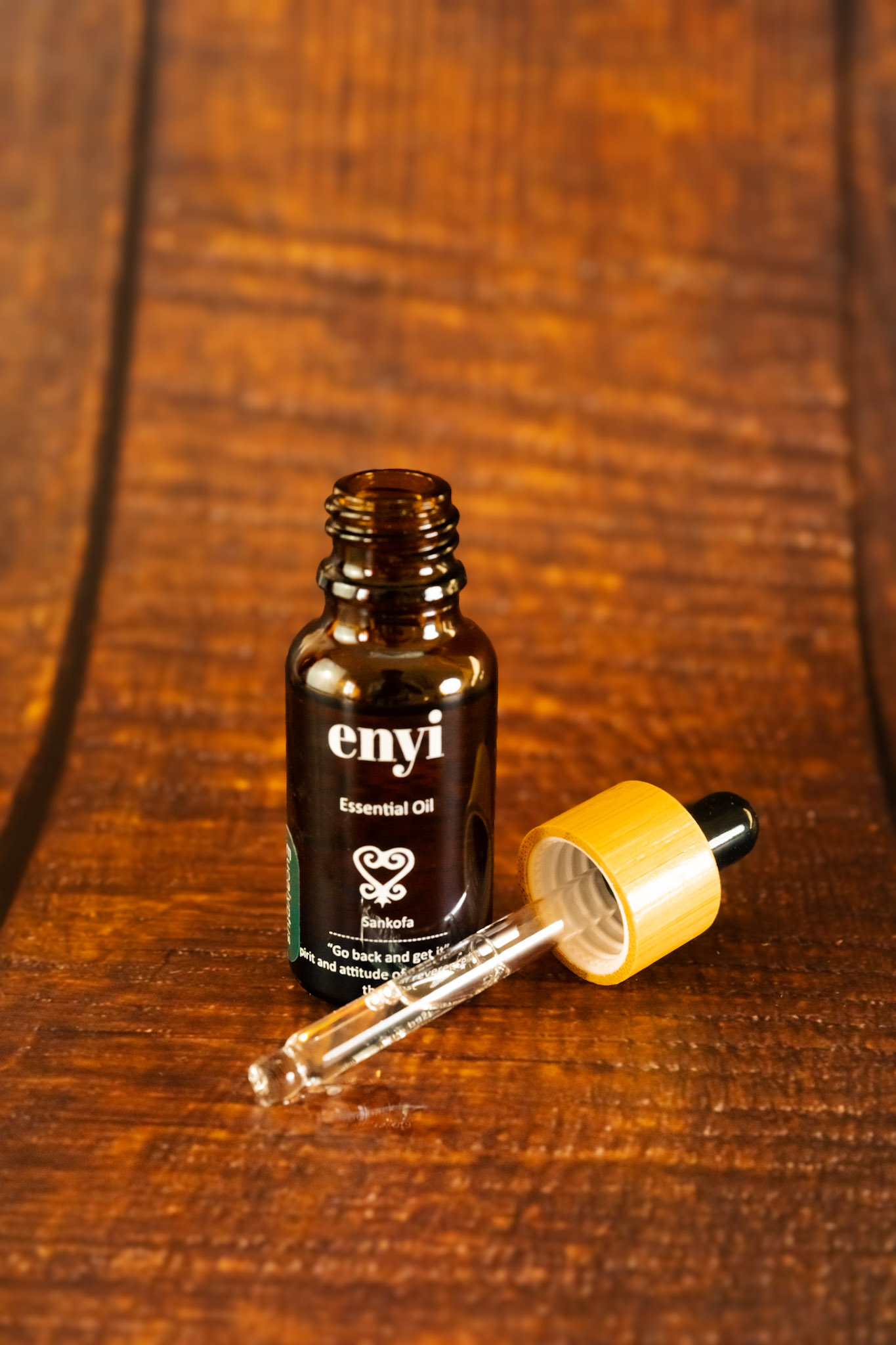


Technical Specification Sheet
Oud Essential Oil
INCI Name: Aquilaria Agallocha Wood Oil
Common Name: Oud Essential Oil, Agarwood Essential Oil
Botanical Source: Aquilaria spp.
Plant Part Used: Resinous Heartwood
Extraction Method: Steam Distillation
CAS Number: 94350-09-1
Grade: Cosmetic Grade
Packaging Size: 10ml
1. Material Overview
Oud Essential Oil is obtained through steam distillation of naturally resinous heartwood from selected Aquilaria species.
This cosmetic-grade raw material is supplied exclusively for incorporation into cosmetic and personal care formulations. The oil contains a complex composition of sesquiterpenes and oxygenated aromatic compounds responsible for its rich, woody profile.
Due to its concentration and aromatic persistence, controlled inclusion levels are recommended during formulation.
2. Physical & Organoleptic Characteristics
- Appearance: Clear to slightly viscous liquid
- Color: Golden amber to dark brown
- Odor: Rich, woody, resinous, smoky, balsamic
- Solubility: Oil soluble
- Volatility: Low
Natural variations in colour, viscosity and aroma are expected due to species, resin formation, age of the wood and distillation method.
3. Composition & Functional Attributes
Oud Essential Oil typically contains naturally occurring aromatic constituents including:
- Sesquiterpenes
- Agarospirol
- Jinkoh-eremol
- Eudesmol isomers
- Other oxygenated sesquiterpenes
The exact chemical profile varies according to Aquilaria species, geographical origin and resin maturity.
Functional Contribution in Formulations
Within cosmetic systems, Oud Essential Oil is selected for its ability to:
- Provide rich woody base note character
- Enhance fragrance longevity due to its low volatility
- Add depth and complexity to botanical fragrance compositions
- Complement floral, amber, spicy and resinous accords
- Integrate into oil based systems, emulsions and fragrance concentrates as an aromatic ingredient
Use levels should comply with IFRA Standards (where applicable) and all relevant cosmetic regulations.
All performance characteristics must be evaluated within the finished cosmetic formulation.
4. Suitable Formulation Applications
- Fine fragrance compositions
- Botanical perfume oils
- Creams and emulsions
- Body butters
- Anhydrous aromatic blends
- Soap and cleansing formulations
Inclusion levels should be established through formulation development, stability testing and safety assessment.
5. Storage & Stability
- Store in a cool, dry place
- Protect from direct sunlight
- Keep container tightly closed
- Minimise air exposure to preserve aromatic integrity
Its low volatility contributes to excellent fragrance stability when properly stored.
6. Handling & Manufacturing Considerations
This material should be handled in accordance with Good Manufacturing Practice (GMP).
- Dilution prior to incorporation is recommended
- Assess allergen declaration requirements where applicable
- IFRA Standards should be consulted during fragrance formulation
Compatibility testing, stability evaluation and final cosmetic safety assessment remain the responsibility of the formulator or Responsible Person.
7. Regulatory Positioning
This product is supplied strictly as a raw cosmetic ingredient for further formulation.
It is not a finished cosmetic product and is not marketed for direct consumer application.
The purchaser assumes full responsibility for compliance with Regulation (EC) No 1223/2009, IFRA Standards (where applicable), allergen declaration requirements, CPSR preparation, Product Information File (PIF) documentation, stability testing, labelling and notification procedures.
8. Interesting Facts About the Raw Material
- Oud oil develops only after Aquilaria trees naturally produce resin in response to biological stress or injury.
- Not every agarwood tree produces resin, making genuine oud one of the world’s rarest natural aromatic materials.
- The aroma evolves significantly during aging, often becoming smoother and more complex over time.
- Different Aquilaria species and producing regions create distinctly different aromatic profiles.
- Sustainably cultivated agarwood is increasingly important for protecting wild Aquilaria populations and supporting responsible sourcing.
Reviews
There are no reviews yet.