





Enjoy free global shipping on all orders over €59.99 & a FREE lip balm.
Technical Specification Sheet
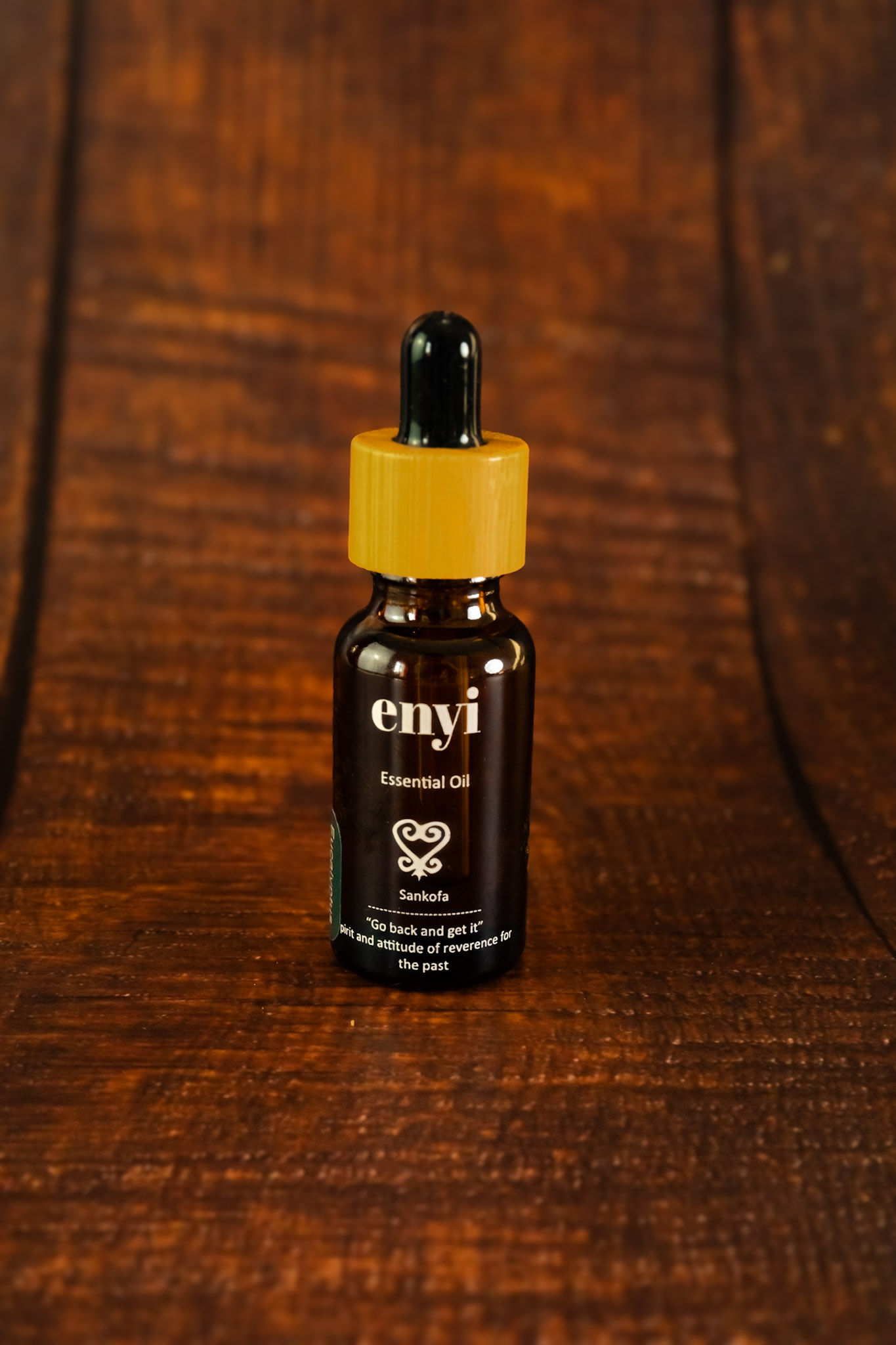
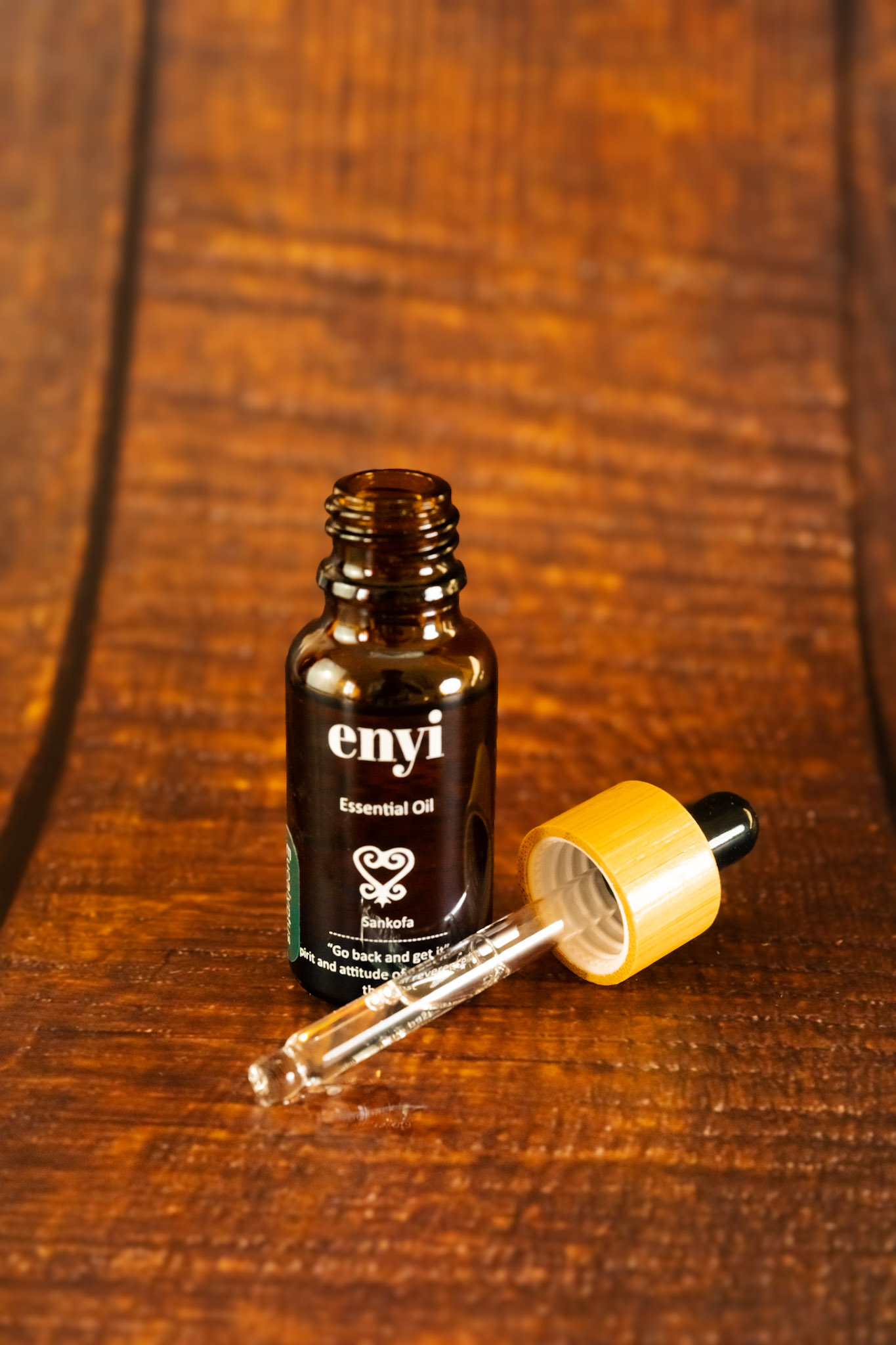
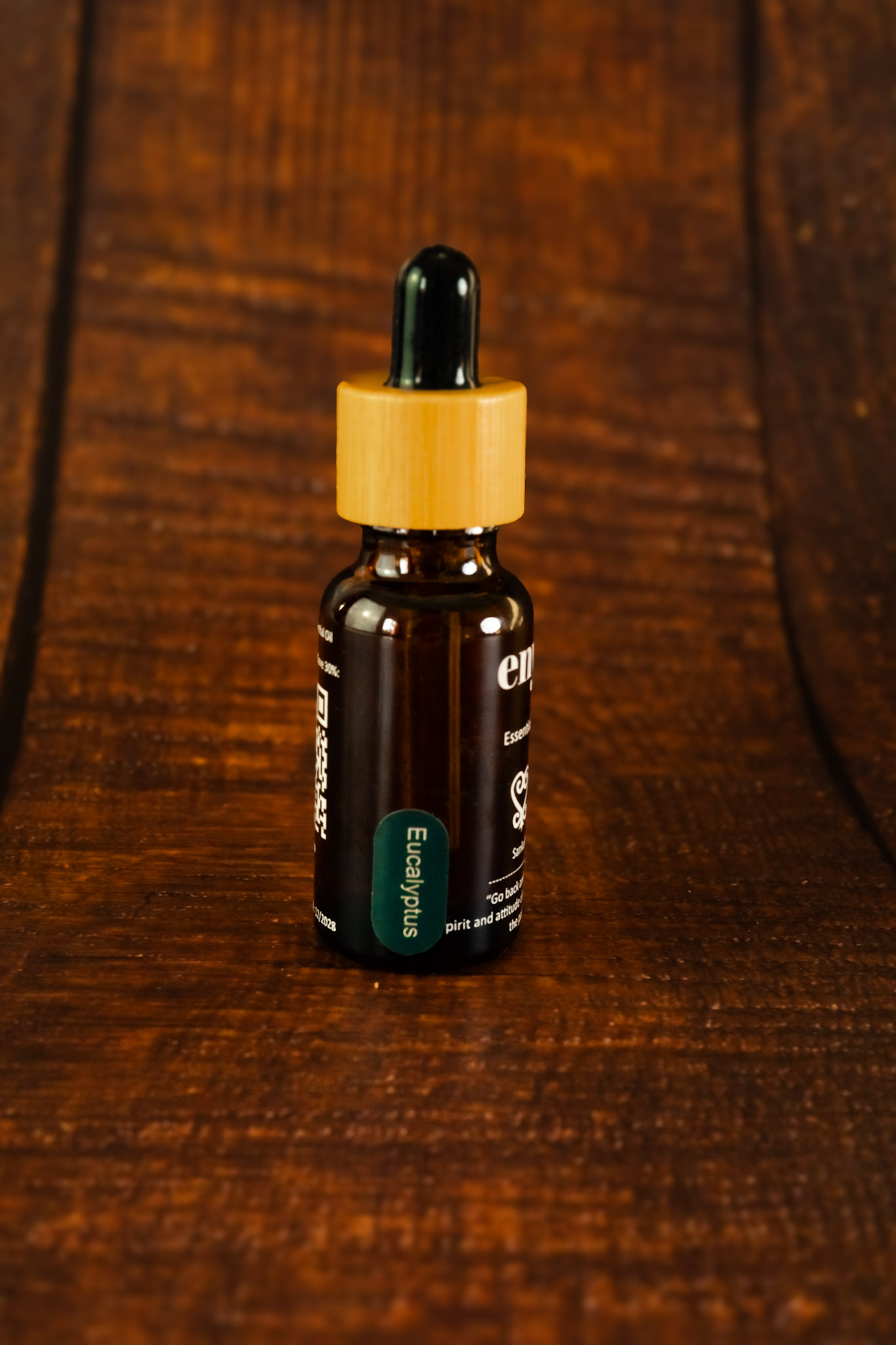
Eucalyptus Essential Oil
INCI Name: Eucalyptus Globulus Leaf Oil
Common Name: Eucalyptus Essential Oil
Botanical Source: Eucalyptus globulus
Plant Part Used: Leaves
Extraction Method: Steam Distillation
CAS Number: 8000-48-4
EC Number: 283-406-2
Grade: Cosmetic Grade
Packaging Size: 20g
1. Material Overview
Eucalyptus Essential Oil is obtained by steam distillation of the leaves of Eucalyptus globulus.
This cosmetic-grade raw material is supplied exclusively for further formulation into cosmetic and personal care products. It consists primarily of volatile aromatic compounds, with 1,8-cineole typically being the dominant constituent.
Due to its concentrated and volatile nature, it must be handled with controlled dosing in formulation systems.
2. Physical & Organoleptic Characteristics
– Appearance: Clear, mobile liquid
– Color: Colorless to pale yellow
– Odor: Fresh, camphoraceous, characteristic aroma
– Solubility: Oil soluble; insoluble in water
– Volatility: High
Natural variation may occur depending on harvest conditions and distillation parameters.
3. Composition & Functional Attributes
Eucalyptus Essential Oil typically contains:
– 1,8-Cineole (Eucalyptol)
– Alpha-pinene
– Limonene
– Aromatic monoterpenes and oxides
Composition may vary by chemotype and geographic origin.
Functional Contribution in Formulations
Within cosmetic systems, Eucalyptus Essential Oil is selected for its ability to:
– Contribute aromatic profile to fragranced formulations
– Provide volatile top-note character in scent design
– Support freshness-oriented formulation concepts
– Complement botanical positioning in plant-based product lines
Essential oils must be incorporated at appropriate inclusion levels in accordance with IFRA standards and applicable cosmetic regulations.
All performance and safety parameters must be validated within the final cosmetic formulation.
4. Suitable Formulation Applications
– Fragrance components in emulsions
– Hair and scalp formulations
– Anhydrous aromatic blends
– Cleansing systems
– Soap and surfactant systems
Use levels must be determined through regulatory review, stability testing, and safety assessment.
5. Storage & Stability
– Store in a cool, dry place
– Protect from light and heat
– Keep container tightly sealed
– Minimize air exposure to reduce oxidation
As a volatile and oxidation-sensitive material, appropriate storage conditions are essential.
6. Handling & Manufacturing Considerations
This material should be handled in accordance with Good Manufacturing Practice (GMP).
Due to its concentrated nature:
– Dilution prior to incorporation is recommended
– Allergen declaration requirements must be assessed
– IFRA compliance and regulatory limits must be observed
Compatibility testing, stability assessment, and final cosmetic safety evaluation remain the responsibility of the formulator or Responsible Person prior to market placement.
7. Regulatory Positioning
This product is supplied strictly as a raw cosmetic ingredient for further formulation.
It is not a finished cosmetic product and is not marketed for direct consumer application.
The purchaser assumes full responsibility for compliance with Regulation (EC) No 1223/2009, IFRA standards, allergen declaration requirements, CPSR preparation, PIF documentation, labeling, and notification procedures.
8. Interesting Facts About the Raw Material
– Eucalyptus globulus is one of the most widely cultivated eucalyptus species globally.
– The dominant compound 1,8-cineole defines much of its characteristic aroma.
– Chemotype variation can significantly influence composition.
– Essential oils are volatile fractions, chemically distinct from infused oils or absolutes.-Oxidation of monoterpenes may alter aroma profile over time.
Reviews
There are no reviews yet.