


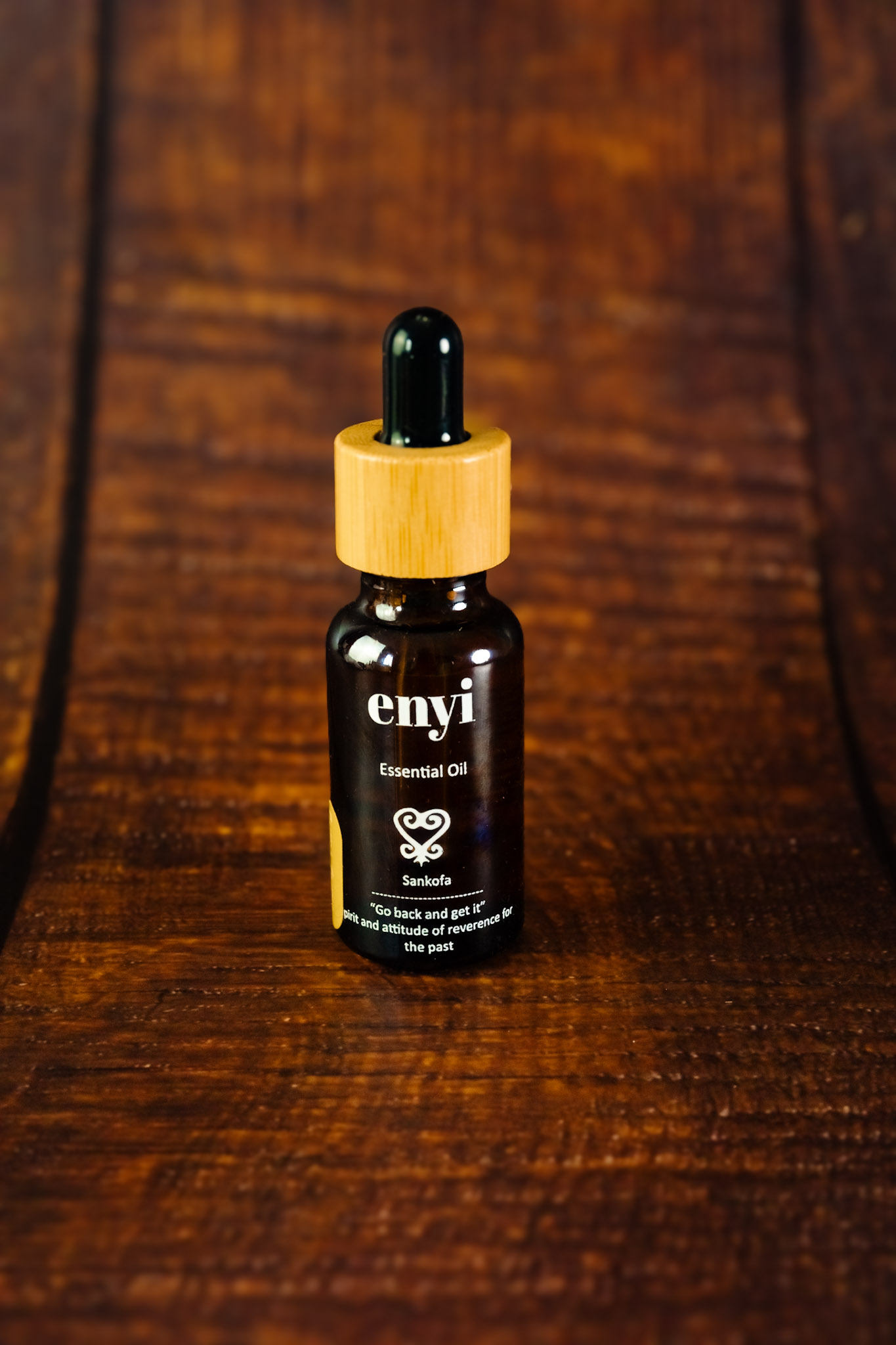
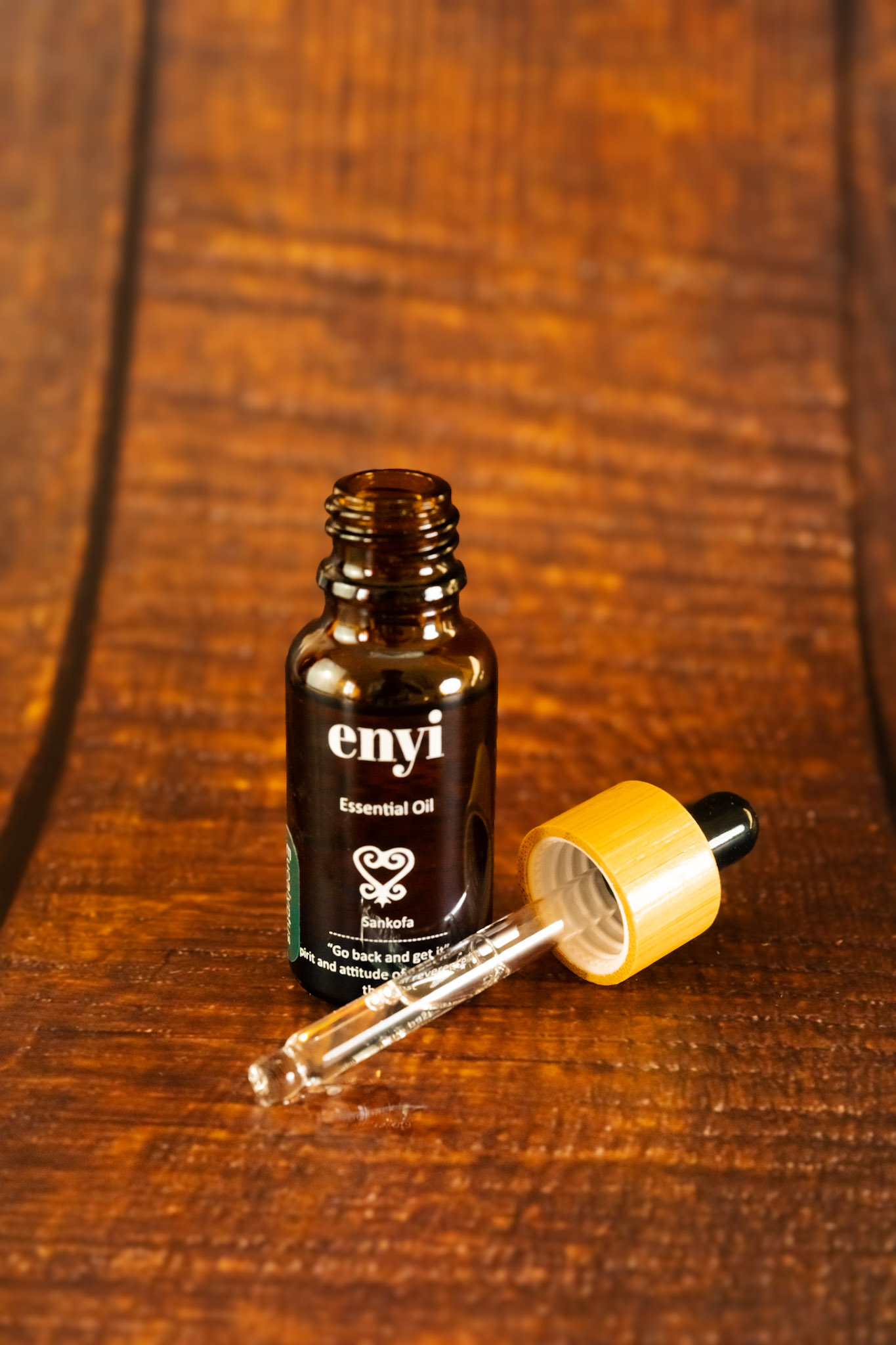



INCI Name: Betula Alba Oil / Betula Tar Oil (varies by supplier classification)
Botanical Name: Betula alba / Betula pendula
INCI Name: Betula Alba Oil / Betula Tar Oil
CAS Number: 8001-88-5 / 91722-14-4 (varies by origin and refinement level)
EINECS Number: 294-459-0
Extraction Method: Dry destructive distillation (pyrolysis of birch bark)
Plant Part Used: Bark
Origin: Northern Europe, Russia, Scandinavia, Baltic regions
Appearance: Thick, dark brown to almost black viscous liquid
Aroma Profile: Smoky, tar like, leathery, woody, medicinal, intense, and resinous
Solubility: Oil Soluble
Recommended Usage Rate: 0.01% to 0.5% in cosmetic formulations due to strong potency
Birch Tar Essential Oil is a highly concentrated aromatic raw material obtained through the dry distillation of birch bark. Unlike traditional steam distilled essential oils, birch tar is produced through a pyrolysis process that releases deeply complex smoky phenolic compounds. It is widely used in niche perfumery, traditional skincare formulations, soap making, and specialty cosmetic products where a strong smoky-leather character is desired.
In modern cosmetic formulation, Birch Tar is used in extremely low concentrations due to its intensity. It is primarily valued as a fragrance ingredient in soaps, beard oils, perfumes, balms, and functional grooming products. Its distinctive smoky aroma makes it one of the most recognizable and powerful base notes in natural perfumery.
A Traditional Ingredient with Deep Cultural Roots
Birch tar has been used for centuries across Northern and Eastern Europe in leather conditioning, traditional medicine, and protective coatings. It was historically applied in folk remedies and artisanal craftsmanship, especially in Scandinavia and Russia, where it was valued for its durability and strong aromatic presence.
In perfumery, birch tar became especially important in creating smoky, leathery accords used in classic colognes, chypre fragrances, and niche masculine compositions.
Benefits of Birch Tar in Cosmetic Formulations
Birch Tar Essential Oil is not used for skincare activity in a conventional sense but is instead valued for its powerful aromatic contribution. It is a key ingredient in products where scent identity and olfactory impact are the primary focus.
Key Cosmetic Benefits
✔ Provides an intense smoky-leather fragrance profile
✔ Essential ingredient in niche and artisanal perfumery
✔ Widely used in traditional and natural soap making
✔ Adds depth and character to men’s grooming products
✔ Acts as a strong base note in fragrance formulations
✔ Enhances authenticity in smoky, woody scent compositions
✔ Extremely long-lasting aromatic performance
✔ Ideal for creating bold, distinctive signature scents
Applications in Personal Care and Fragrance Products
Birch Tar Essential Oil is used in highly controlled concentrations across specialized cosmetic and fragrance categories, including:
- Artisan Handmade Soaps
- Natural Perfumes and Cologne Blends
- Beard Oils and Men’s Grooming Products
- Aftershave Balms
- Leather-Inspired Fragrance Formulations
- Solid Perfumes and Balm Perfumes
- Aromatherapy Blends (niche use)
- Candles and Wax Melts
- Incense and Ritual Fragrance Products
- Specialty Spa and Wellness Products
Aroma Characteristics
Birch Tar has one of the most intense aromatic profiles in natural fragrance materials. It is smoky, tar-like, leathery, woody, and slightly medicinal, with deep phenolic undertones.
Its scent is often associated with smoked wood, cured leather, campfire embers, and traditional craftsmanship materials. Because of its strength, it is almost always used as a trace ingredient in blends.
Formulation Compatibility
Birch Tar blends best with strong base and heart notes that can support its intensity, including:
- Vetiver Essential Oil
- Cedarwood Essential Oil
- Patchouli Essential Oil
- Guaiacwood Essential Oil
- Frankincense Essential Oil
- Myrrh Essential Oil
- Labdanum Absolute
- Benzoin Resin
- Leather fragrance accords
- Sandalwood Essential Oil
- Bergamot Essential Oil (small balancing top note use)
- Jojoba Oil
- Castor Oil (in beard oils and balms)
Its role is primarily structural, anchoring fragrance compositions with depth and smokiness.
Role in Modern Niche Perfumery
In contemporary fragrance design, Birch Tar is a cornerstone ingredient in smoky, leathery, and gothic-inspired scent profiles. It is frequently used in artisanal perfumery to recreate the aroma of cured leather, burning wood, and rugged natural environments.
It is especially popular in masculine and avant-garde fragrance compositions where bold aromatic identity is desired.
Safety and Usage Considerations
Due to its high concentration of phenolic compounds, Birch Tar must be used at very low dilution levels in cosmetic formulations. Proper formulation testing and compliance with IFRA guidelines are essential for safe usage in skincare and fragrance products.
Ideal For
- Niche Perfumers
- Cosmetic Manufacturers (specialty lines)
- Artisan Soap Makers
- Men’s Grooming Brands
- Beard Care Product Developers
- Candle Makers
- Incense Artisans
- Private Label Fragrance Brands
- Wholesale Ingredient Buyers
Why Source Birch Tar Essential Oil from enyi?
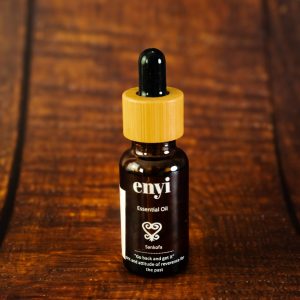
At enyi, we supply carefully selected botanical and aromatic ingredients for formulators, artisans, and beauty brands seeking distinctive raw materials. Our Birch Tar Essential Oil is chosen for its intense smoky depth, formulation integrity, and suitability for niche perfumery and specialty cosmetic applications.
Whether you are creating a bold leather fragrance, a traditional artisan soap, a premium beard oil, or a signature smoky perfume blend, Birch Tar Essential Oil delivers unmatched aromatic character and deep sensory impact that defines truly distinctive formulations.
Reviews
There are no reviews yet.