



Clean beauty has transcended mere trend status to become a defining movement in the beauty industry. Driven by conscious consumers, environmental activism, and stringent regulations, this shift highlights a collective desire for transparency, sustainability, and health-conscious products. But there’s more to this transformation than meets the eye—political movements around the world are playing a pivotal role in reshaping the landscape of skincare.
- 1. Consumer Advocacy: The Power of People-Driven Movements
- 2. Environmental Policies: Clean Beauty as a Climate Ally
- 3. Global Policy Shifts: The Rise of Ingredient Transparency Laws
- 4. Social Justice Movements and Ethical Sourcing
- 5. Grassroots Activism and Localized Policy Changes
- The Role of Social Media: Amplifying the Movement
- Challenges and Opportunities for Clean Beauty Brands
- Conclusion: Politics and Beauty—A Shared Revolution
- FAQs: Clean Beauty Revolution
In this article, we’ll uncover how political initiatives, environmental policies, and consumer advocacy fuel the rise of clean beauty. From the legislative halls to grassroots campaigns, the natural skincare revolution is being driven by forces that demand a cleaner, greener world—inside and out.
1. Consumer Advocacy: The Power of People-Driven Movements
One of the core drivers of the clean beauty revolution is consumer advocacy. Over the past decade, socially conscious consumers have demanded greater transparency from beauty brands regarding the ingredients they use.
Movements like the Campaign for Safe Cosmetics (CSC) have successfully pressured brands to rethink their formulas by highlighting potentially harmful chemicals like parabens, phthalates, and synthetic fragrances. These organizations have leveraged petitions, social media campaigns, and public protests to raise awareness about the dangers of toxic beauty products.
The political impact? Governments and regulatory bodies are responding. The European Union, for instance, has banned over 1,300 ingredients in cosmetics, compared to only 30 in the United States. However, U.S. movements like the Safe Cosmetics and Personal Care Products Act are pushing for stricter regulations, reflecting how people-powered movements influence political agendas worldwide.
2. Environmental Policies: Clean Beauty as a Climate Ally
As the global climate crisis intensifies, environmental legislation has increasingly intersected with the beauty industry. Initiatives aimed at reducing plastic waste, preserving biodiversity, and mitigating pollution have forced brands to rethink their packaging and sourcing practices.
In 2022, California enacted the California Recycling and Plastic Pollution Reduction Act, mandating recyclable and compostable packaging in all industries, including beauty. Similarly, the United Nations has launched campaigns to curb microplastic pollution, a common issue in beauty products like exfoliants and glitter-based cosmetics.
These legislative measures align with growing consumer demands for eco-conscious products. As more governments impose eco-friendly standards, beauty brands are shifting toward refillable packaging, biodegradable materials, and sustainably sourced ingredients.
3. Global Policy Shifts: The Rise of Ingredient Transparency Laws
Transparency is the cornerstone of clean beauty, and political movements worldwide are advocating for ingredient disclosure and safety standards. For decades, lax regulations allowed beauty brands to obscure harmful ingredients behind labels like “fragrance” or “proprietary formula.”
Now, political pressure is forcing brands to embrace full transparency. Laws such as the California Cleaning Product Right to Know Act require clear labeling of all ingredients in consumer products, while the European Union continues to lead the charge with its Cosmetics Regulation (EC No 1223/2009).
Beyond legislation, international coalitions like the Environmental Working Group (EWG) advocate for standardized, transparent labeling practices. By bridging the gap between consumer awareness and political action, these movements empower shoppers to make informed choices, driving demand for clean beauty.
4. Social Justice Movements and Ethical Sourcing
The clean beauty revolution isn’t just about ingredients—it’s also about ethics. Social justice movements, particularly those focusing on labor rights and fair trade, have highlighted unethical practices in the beauty supply chain.
From child labor in mica mining to exploitative practices in palm oil harvesting, political movements have shed light on the darker side of the beauty industry. Campaigns like #FairBeauty advocate for transparency in sourcing raw materials, urging brands to align with fair trade principles and ensure worker safety.
This heightened awareness has pushed brands to adopt ethical sourcing certifications like Fair Trade, Rainforest Alliance, and Leaping Bunny (cruelty-free). Moreover, the political implications of these movements ensure that governments scrutinize supply chains more rigorously, holding corporations accountable for unethical practices.
5. Grassroots Activism and Localized Policy Changes
Grassroots activism is another critical pillar of the clean beauty movement. Local initiatives often address region-specific environmental and health concerns, catalyzing global changes in beauty standards.
For example, Hawaii’s ban on oxybenzone and octinoxate in sunscreens highlights how local policies can have far-reaching implications. These chemicals, commonly found in sunscreens, are harmful to coral reefs and marine life. The ban prompted beauty brands worldwide to formulate reef-safe alternatives, aligning with both environmental protection and clean beauty principles.
Similarly, grassroots organizations often collaborate with local governments to fund clean beauty education programs, empowering communities to advocate for safer products. By amplifying local voices, these movements create ripple effects that reshape the global beauty industry.
The Role of Social Media: Amplifying the Movement
No discussion of clean beauty would be complete without acknowledging the role of social media. Platforms like Instagram, TikTok, and Twitter have become battlegrounds for political discourse and consumer advocacy. Hashtags like #CleanBeauty, #NoToxins, and #SustainableSkincare have not only raised awareness but also held brands accountable for greenwashing.
Social media influencers, particularly those specializing in eco-conscious living, have fueled demand for clean beauty by exposing unethical practices and promoting transparent brands. This digital activism creates a feedback loop, compelling political figures and regulatory bodies to address consumer concerns.
Challenges and Opportunities for Clean Beauty Brands
While political movements have catalyzed the clean beauty revolution, the road ahead is not without challenges. Critics argue that vague definitions of “clean” can mislead consumers, while others highlight the high costs of sustainable formulations.
However, these challenges also present opportunities for innovation. Brands that invest in sustainable practices, ingredient transparency, and ethical sourcing will not only comply with evolving regulations but also gain a competitive edge in an increasingly discerning market.
Conclusion: Politics and Beauty—A Shared Revolution
The rise of clean beauty is more than just a marketing trend—it’s a cultural and political revolution. From ingredient transparency to environmental sustainability, political movements have fueled a shift that prioritizes health, ethics, and the planet.
As consumers, regulators, and brands work together, the future of beauty is undeniably clean, green, and revolutionary. The intersection of politics and skincare has never been more transformative, signaling a new era where activism meets aesthetics.

FAQs: Clean Beauty Revolution
1. What is clean beauty?
Clean beauty refers to products made without harmful ingredients like parabens, sulfates, and synthetic fragrances. It also emphasizes transparency, sustainability, and ethical practices.
2. How do political movements influence clean beauty?
Political movements drive clean beauty by advocating for stricter regulations, ingredient transparency, ethical sourcing, and eco-friendly practices.
3. Why is ingredient transparency important in clean beauty?
Transparency allows consumers to make informed choices about what they put on their skin. It ensures products are safe, non-toxic, and free from harmful chemicals.
4. How are environmental policies affecting the beauty industry?
Environmental policies, such as plastic reduction laws and microplastic bans, encourage brands to adopt sustainable practices like refillable packaging and biodegradable materials.
5. What role does social media play in the clean beauty movement?
Social media amplifies awareness, holds brands accountable, and educates consumers about clean beauty, driving demand for ethical and sustainable products.
6. How can I tell if a beauty product is truly clean?
Look for certifications like EWG Verified, UEBT Fair Trade, or Leaping Bunny, and review the ingredient list for harmful chemicals.
7. Is clean beauty worth it for acne-prone skin?
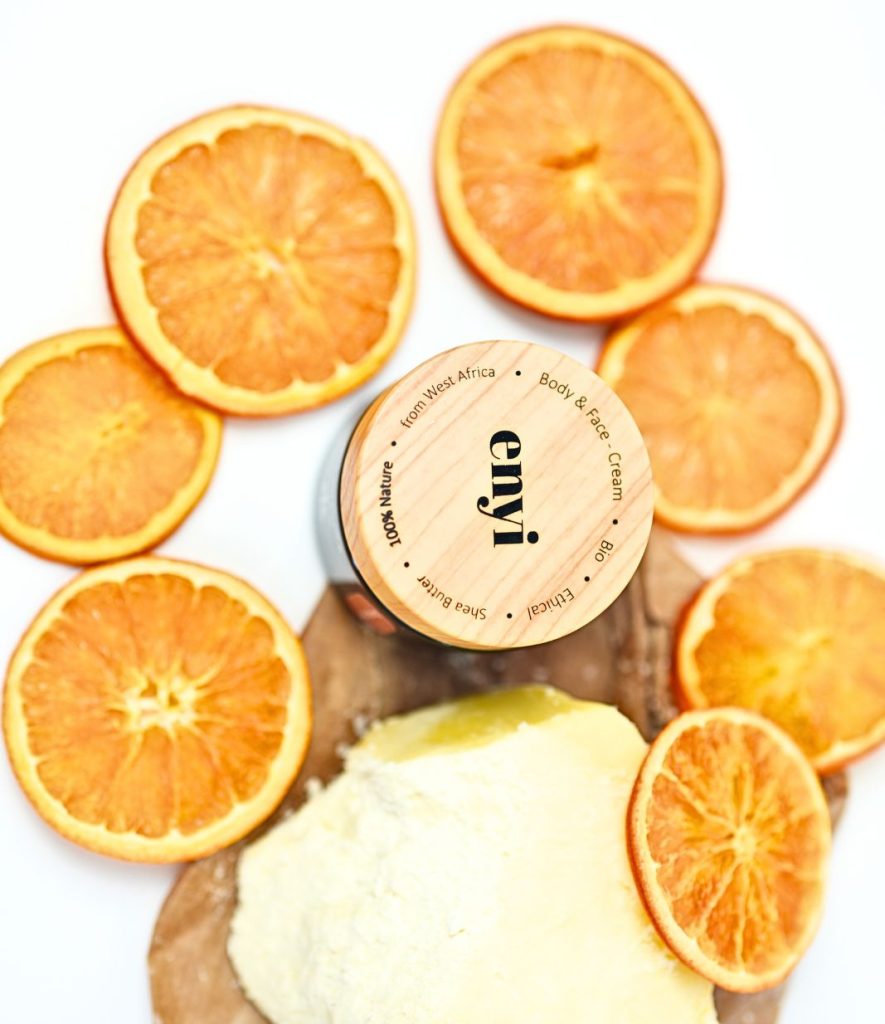
Absolutely! Clean beauty can be especially beneficial for acne-prone skin as it avoids harsh, pore-clogging chemicals like synthetic fragrances and sulfates. Instead, clean beauty products often use gentle, natural ingredients that soothe inflammation and balance skin. Our brand enyi, specialize in creating non-toxic skincare solutions tailored to sensitive and acne-prone skin.
8. What are the cleanest skincare brands?
When looking for the cleanest skincare brands, focus on those with full ingredient transparency, certifications like cruelty-free and vegan, and sustainable practices. One standout option is enyi, which combines effective, toxin-free formulations with ethical and eco-friendly sourcing.
9. Which clean beauty brands are actually sustainable?
Sustainability is a core value of clean beauty, but not all brands live up to the promise. Enyi leads the way with eco-friendly packaging, responsibly sourced ingredients, and a commitment to reducing environmental impact.



10. How do I know if a brand is “greenwashing”?
Be cautious of vague terms like “natural” or “eco-friendly” with no evidence to back them up. Look for certifications like EWG Verified, Fair Trade, or Leaping Bunny and always review ingredient lists. Brands like Enyi stand out because of their transparency and commitment to clean beauty principles.
11. Why is ingredient transparency important in clean beauty?
Transparency ensures that consumers know exactly what they’re putting on their skin. It helps avoid exposure to harmful chemicals and enables informed decision-making.
12. How can I support clean beauty as a Gen Z consumer?
Support clean beauty by educating yourself about ingredients, purchasing from brands like Enyi that prioritize sustainability and ethics, and spreading awareness through social media.
13. What certifications should I look for in clean beauty products?
Key certifications include EWG Verified (clean ingredients), Leaping Bunny (cruelty-free), and Fair Trade (ethical sourcing).