




Traditional self care practices—those rooted in simplicity and wisdom—offer a slower, more intentional approach to wellness. Life moves fast, doesn’t it? Between endless to-do lists, buzzing notifications, and constant responsibilities, it’s easy to forget to prioritize yourself. But here’s the thing: self care doesn’t have to feel like another chore or involve expensive spa days. Sometimes, the best solutions come from looking back, not forward. These methods have stood the test of time for a reason. So, how do we bring these age-old traditions into our modern routines? Let’s break it down into four easy steps.
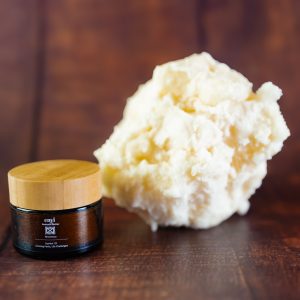
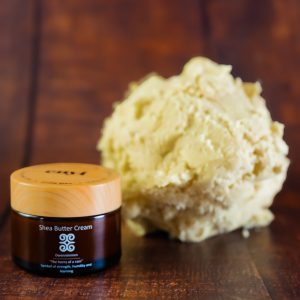
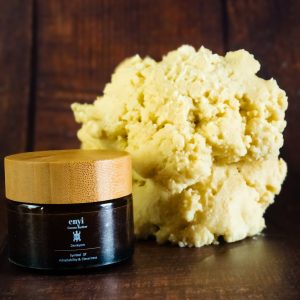
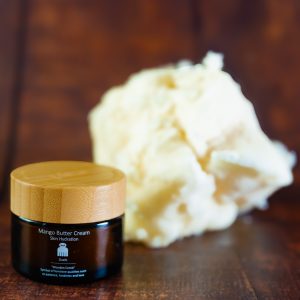
Our Products Recommendation:
Step 1: Slow Down with Mindful Rituals
One of the biggest differences between traditional self care and modern approaches is the pace. Ancient practices weren’t about multitasking or rushing through routines. They were deliberate, sacred moments of mindfulness. Whether it was brewing herbal teas, lighting candles, or preparing an oil bath, people gave full attention to the task at hand.
How to incorporate this today:
- Create a daily ritual: Start your mornings with a simple tea ceremony. Choose a calming herbal tea (like chamomile or peppermint) and drink it slowly, savoring every sip. Put your phone away. Let this be your quiet moment of mindfulness.
- Bathe with intention: Instead of a quick shower, take a long bath infused with Epsom salts, essential oils, or fresh herbs like lavender and rosemary. Focus on the sensations—the warmth of the water, the aroma of the herbs—and let your mind unwind.
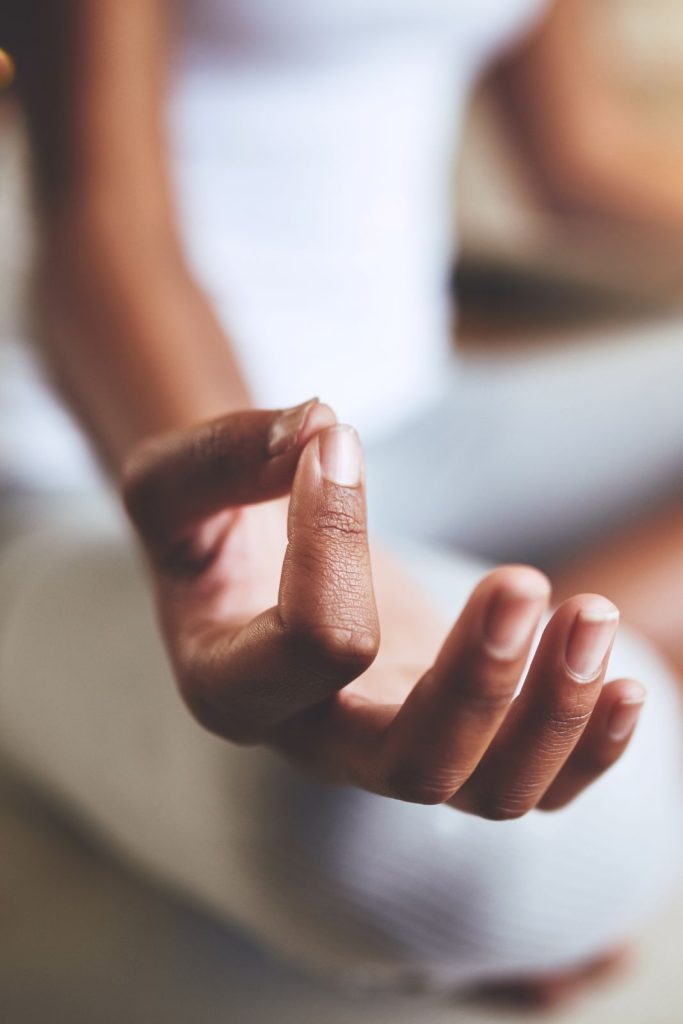
- Meditate with movement: If sitting meditation feels intimidating, try traditional moving meditations like tai chi or yoga. These ancient practices not only center the mind but also reconnect the body and breath.
The key here is to resist the urge to rush. Let these moments feel indulgent, even if they’re short.
Step 2: Reconnect with Nature’s Rhythm
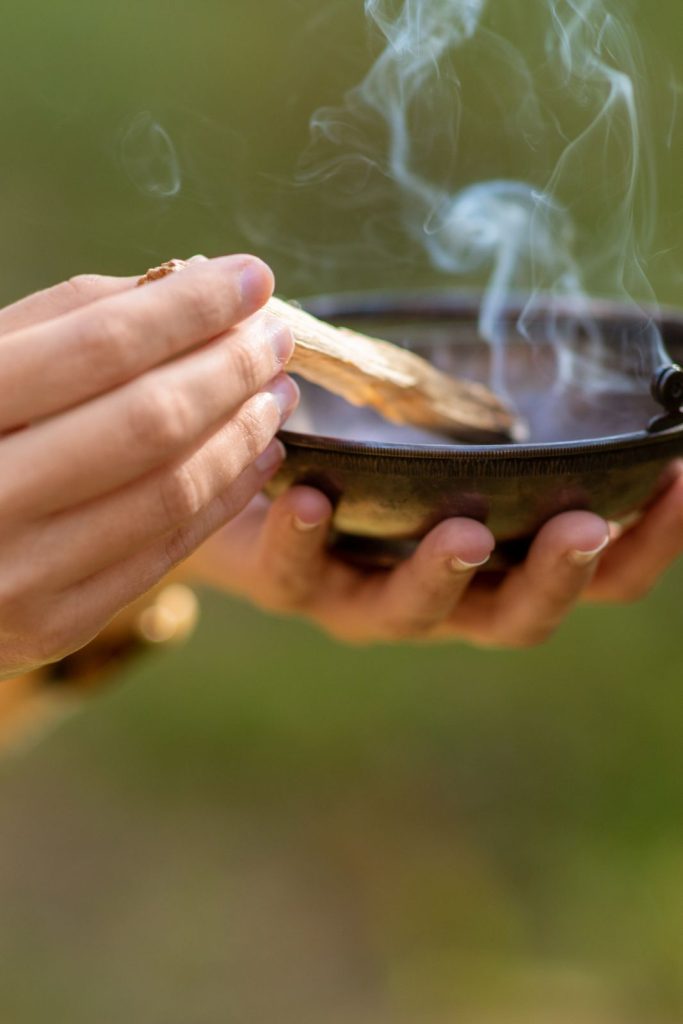
Traditional self care practices were deeply intertwined with nature. People lived in harmony with the seasons, celebrated the phases of the moon, and used ingredients straight from the earth. This connection to nature wasn’t just practical; it was therapeutic.
How to embrace nature in your self care routine:
- Walk barefoot: Known as grounding, walking barefoot on grass or soil can help you reconnect with the earth. It’s believed to reduce stress and improve your mood.
- Follow seasonal self care: In the winter, nourish your skin with heavier oils like sesame or almond. In the summer, switch to lighter products like coconut oil or aloe vera gel. Aligning your routine with the seasons keeps it fresh and balanced.
- Use what’s local: Embrace traditional remedies made from what’s around you. If you live near forests, try pine or cedar essential oils. If you’re in warmer climates, incorporate tropical fruits like mango or papaya into homemade masks.
Nature doesn’t rush, yet everything gets done. That’s a mindset worth adopting.
Step 3: Embrace Nourishing Simplicity
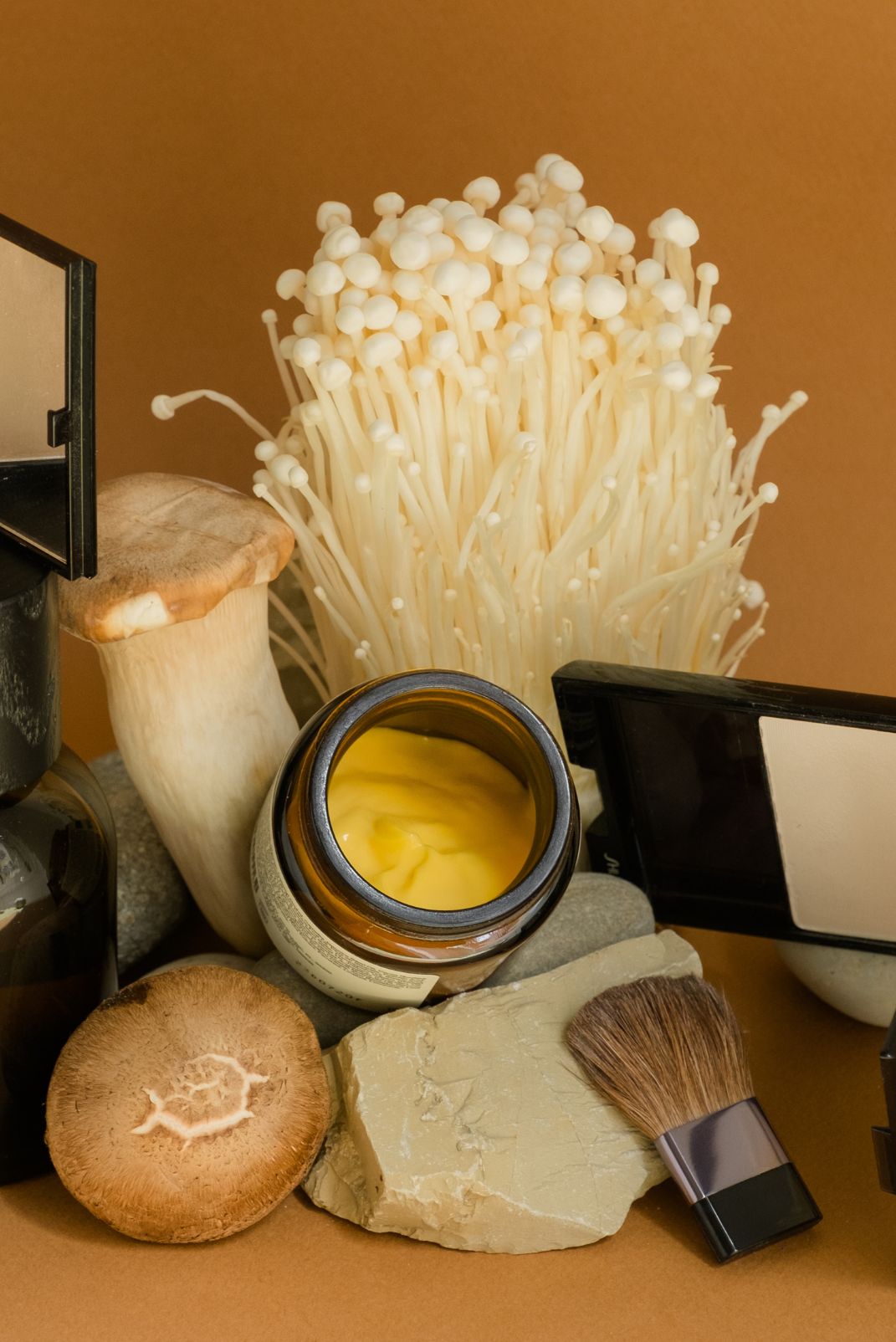
Modern self care often feels complicated. There’s always a new gadget, cream, or app promising miracles. Traditional practices, on the other hand, thrive on simplicity—using just a handful of ingredients or tools to achieve lasting results.

How to simplify your self care routine:
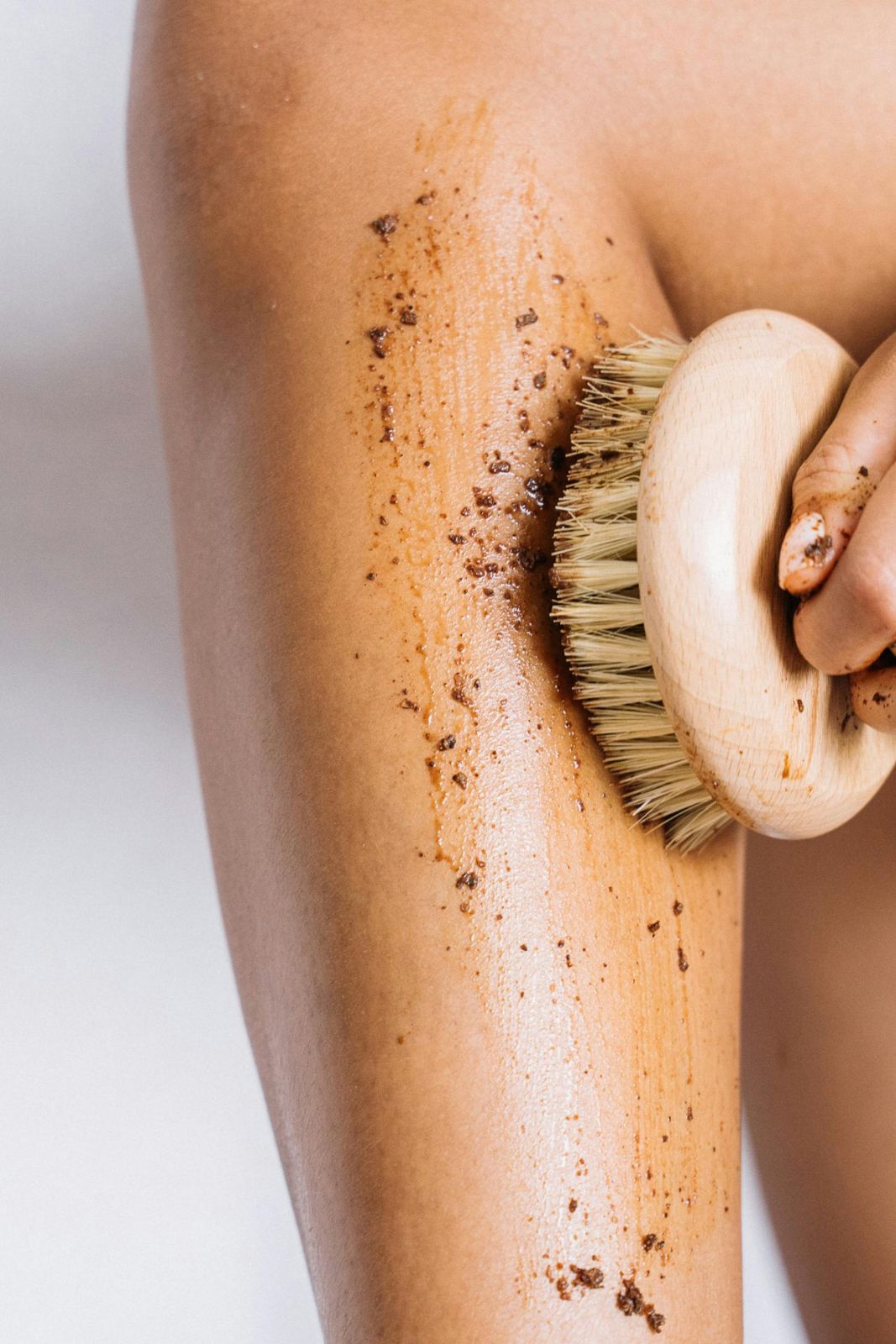
- Try ancestral remedies: Instead of using a dozen skincare products, experiment with single-ingredient solutions like honey for hydration or oatmeal for soothing irritated skin. These remedies have been around for centuries and for good reason.
- Cook for yourself: Preparing food mindfully can be incredibly nurturing. Choose whole, fresh ingredients and cook meals that not only nourish your body but also feel comforting to your soul. A simple bowl of warm soup or herbal-infused rice can feel like a hug in a bowl.
- Journal the old-fashioned way: Forget apps—pick up a notebook and write. Pouring your thoughts onto paper can be surprisingly therapeutic. Try gratitude journaling or even jotting down old family recipes that carry sentimental value.
By stripping away the unnecessary, you’ll find more space to truly enjoy your self care rituals.
Step 4: Cultivate Community Care
Here’s a fresh take: self care doesn’t have to mean doing it all alone. In many traditional cultures, wellness was a communal experience. Whether it was family meals, shared ceremonies, or group healing practices, people leaned on each other for support.
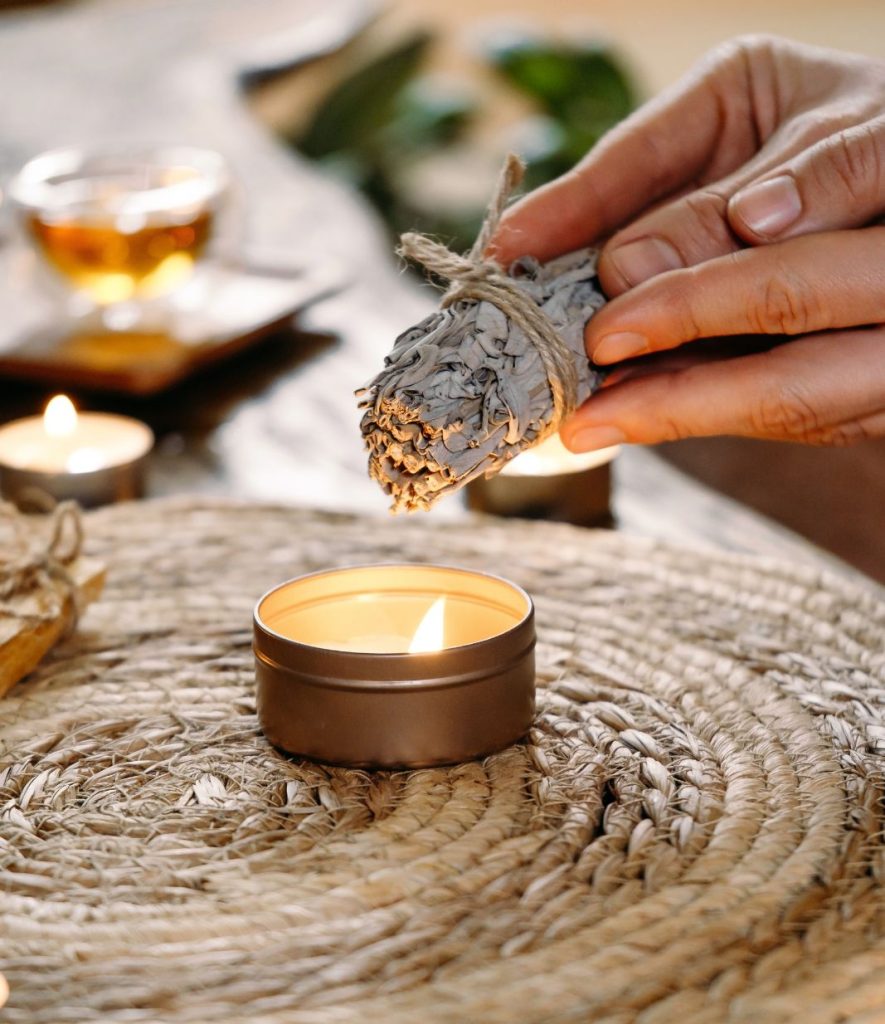
How to bring community into your self care practice:
- Host a wellness night: Invite friends over for a shared self care session. It could be as simple as giving each other facials, meditating together, or making DIY beauty products.
- Participate in cultural practices: Join a yoga class, attend a drum circle, or take part in a seasonal festival. These traditions foster a sense of connection, belonging, and joy.
- Swap skills: If you have friends with unique talents—like giving massages, cooking healthy meals, or teaching breathwork—trade skills. You’ll get to learn something new and deepen your relationships at the same time.
When we uplift each other, we all thrive. That’s a lesson modern self care often overlooks.
Why Reviving Traditional Self Care Matters
Reviving these practices isn’t just about nostalgia. It’s about finding balance in a world that often feels overwhelming. Traditional self care emphasizes grounding, intentionality, and a holistic approach to wellness. By bringing these elements back into our routines, we can feel more centered and resilient.
It’s sustainable: These methods often rely on natural, reusable resources, making them eco-friendly.
It’s meaningful: They connect us to our roots, our communities, and the earth itself.
It’s fulfilling: The slow pace of traditional self care invites us to truly savor the experience, rather than rushing through it.

FAQs
What’s the difference between traditional and modern self care?
Traditional self care is rooted in simplicity and nature. It focuses on practices that have been passed down for generations, often emphasizing mindfulness and connection to the earth. Modern self care tends to be more product-focused and fast-paced.
Can traditional self care fit into a busy lifestyle?
Absolutely! Start small by incorporating one or two practices, like mindful tea drinking or grounding exercises. These rituals don’t have to take hours—they’re about quality, not quantity.
What’s a simple traditional self care practice I can try today?
Light a candle, sit quietly, and breathe deeply for five minutes. It’s a quick yet powerful way to center yourself.
Are traditional practices better than modern ones?
Neither is inherently better; it’s about finding what works for you. Traditional practices often complement modern ones beautifully, creating a balanced routine.
How do I find the right ancestral self care practices for me?
Explore your cultural heritage for inspiration or experiment with practices from other traditions that resonate with you.
Do I need to invest in special tools for traditional self care?
Not at all! Most practices rely on simple, accessible items like herbs, oils, and natural elements you can easily find.
Conclusion
Traditional self care isn’t just about what you do—it’s about how you do it. It’s about slowing down, reconnecting with nature, and creating meaningful rituals that feed your soul. In a world that constantly demands more from you, these age-old practices offer a refreshing reminder: sometimes, less is more.
Ready to revive your self care routine? Start small, stay consistent, and savor every moment. After all, the most important part of self care is showing up for yourself—just as you are.