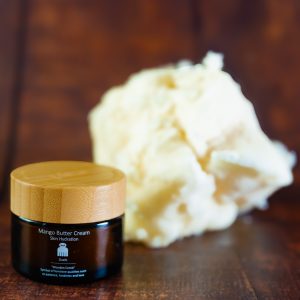



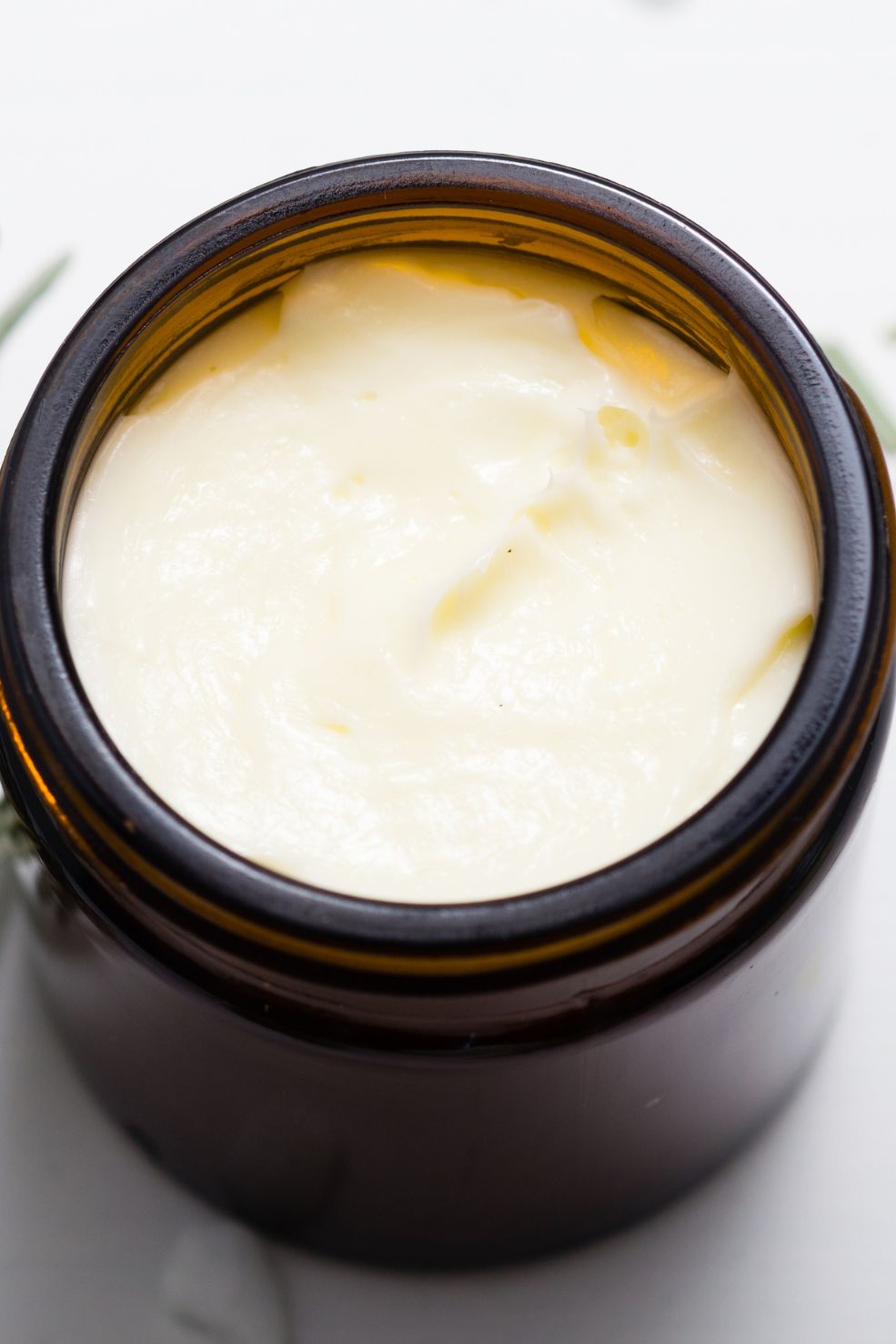
Body butter or body lotion have become a skincare staple for many people looking for deep hydration and nourishment. Advertised as rich, creamy, and luxurious, they promise to leave your skin soft and glowing. But have you ever wondered what’s actually inside those store-bought body butters?
- Introduction: What is Body Butter For?
- The Dirty Truth: What’s REALLY Inside Store-Bought Body Butter?
- Which is Better: Body Butter Or Body Lotion?
- When Should You Apply Body Butter?
- How Do I Use Body Butter?
- How to Spot Low Quality Body Butters in Stores
- The Best Natural Alternatives to Store-Bought Body Butter
- Final Thoughts: Why You Should Switch to Natural Body Butter
- FAQs About Body Butter
Your skin absorbs what you put on it—choose nourishment, not chemicals. Real body butters don’t just sit on the surface; they heal, protect, and restore from within.
Francis M.
Introduction: What is Body Butter For?
Body butter is a deeply moisturizing skincare product made from natural plant-based butters like shea butter, cocoa butter, and mango butter. It is thicker and richer than traditional lotions, designed to provide intense hydration, skin repair, and long-lasting nourishment.
Unlike water-based lotions, which can evaporate quickly, body butter forms a protective layer over the skin, sealing in moisture and delivering essential nutrients. This makes it ideal for dry, sensitive, or aging skin and perfect for use on areas prone to roughness, such as elbows, knees, and heels.
However, not all body butters are created equal. Many store-bought versions contain synthetic fillers, cheap oils, and harmful chemicals that do more harm than good. In this article, we’ll expose the hidden dangers of commercial body butters, show you what to look for in a quality product, and explain how to use body butter effectively.
The Dirty Truth: What’s REALLY Inside Store-Bought Body Butter?
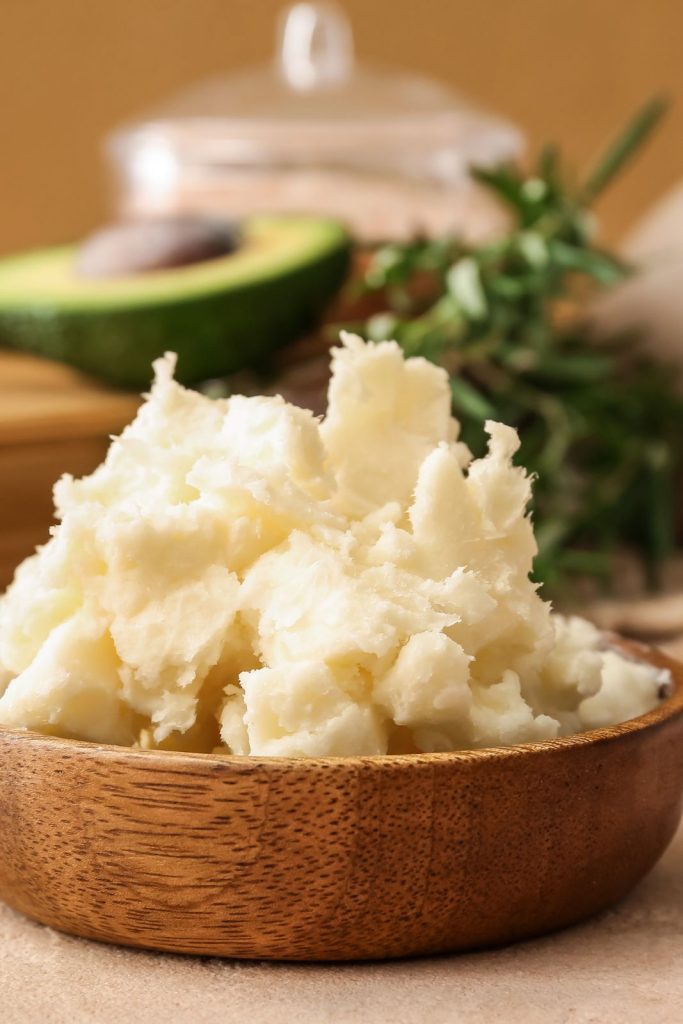
While body butter should be a luxurious, nourishing product, many mass-produced versions contain harmful ingredients that can dry out your skin and cause irritation. Here are some of the worst offenders:
1. Synthetic Fragrances and Artificial Chemicals
Many commercial body butters contain fragrance oils that are chemically engineered to smell appealing but can actually trigger skin irritation, allergies, and hormonal imbalances. The worst part? Brands don’t have to disclose the full list of chemicals used in synthetic fragrances.
✔ Better Alternative: Choose body butters scented with natural essential oils like lavender, chamomile, or citrus oils.
2. Petroleum-Based Ingredients (Mineral Oil, Petrolatum, Paraffin Wax)
Big brands often use petroleum-derived ingredients because they create a smooth texture and make products last longer on shelves. But these ingredients:
- Clog pores, leading to breakouts.
- Do not penetrate the skin, meaning they offer no real nourishment.
- May contain toxic contaminants if not properly refined.
✔ Better Alternative: Look for body butters made with cold-pressed plant oils like avocado oil, coconut oil, or jojoba oil.
3. Parabens, Sulfates, and Harsh Preservatives
Parabens and sulfates are commonly used in beauty products, but research suggests they disrupt hormones, irritate the skin, and contribute to long-term health concerns.
✔ Better Alternative: Choose products labeled paraben-free and sulfate-free or those preserved with natural ingredients like vitamin E or rosemary extract.
Which is Better: Body Butter Or Body Lotion?
Many people wonder whether body lotion or body butter is the better choice. While both serve to moisturize the skin, they have key differences:
Body Lotion:
✅ Lightweight and water-based
✅ Absorbs quickly
✅ Ideal for normal to oily skin

Body Butter:
✅ Thicker and deeply hydrating
✅ Best for dry, sensitive, or aging skin
✅ Long-lasting moisture protection
Which is better? If you have extremely dry, cracked, or sensitive skin, body butter is the best choice. Lotions work well for everyday hydration, but they don’t offer the same deep nourishment that body butters do.
When Should You Apply Body Butter?
To get the most out of your body butter, timing is everything! The best time to apply body butter is:
✔ Right after a shower or bath – Your skin absorbs moisture best when it’s slightly damp.
✔ Before bed – Applying body butter overnight allows for deep hydration while you sleep.
✔ In dry, cold weather – Protect your skin from winter dryness and harsh conditions.
✔ On rough areas – Focus on dry spots like heels, elbows, and knees.
How Do I Use Body Butter?
Using body butter the right way can maximize its benefits and keep your skin soft and healthy. Follow these steps for the best results:
1️⃣ Start with clean skin. Always apply body butter to freshly washed skin for maximum absorption.
2️⃣ Take a small amount. A little goes a long way—scoop a small amount and warm it between your hands.
3️⃣ Massage into your skin. Apply in circular motions to help it penetrate deeper.
4️⃣ Let it absorb. Unlike lotions, body butters take longer to soak in, so give it a few minutes before dressing.
5️⃣ Reapply as needed. Use daily for soft, healthy skin!
How to Spot Low Quality Body Butters in Stores
Many brands use marketing tricks to make their body butters seem more natural than they really are. Here’s how to spot low-quality products before buying:
✅ Check the ingredients. Look for raw, unrefined butters (shea, cocoa, mango) at the top of the list.
✅ Avoid artificial fragrances. Look for essential oils instead.
✅ Say no to petroleum-based ingredients. Avoid petrolatum, mineral oil, and paraffin wax.
✅ Choose glass packaging. Natural body butters are best stored in glass jars to prevent contamination.
The Best Natural Alternatives to Store-Bought Body Butter
Now that you know what to avoid, let’s explore the best natural alternatives that actually work.
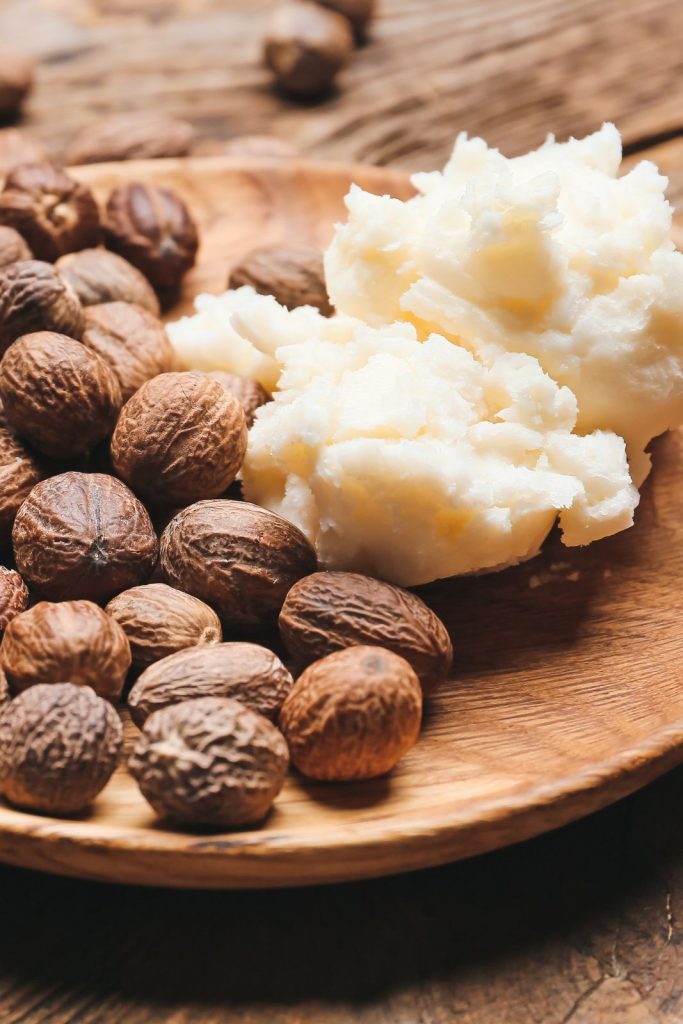
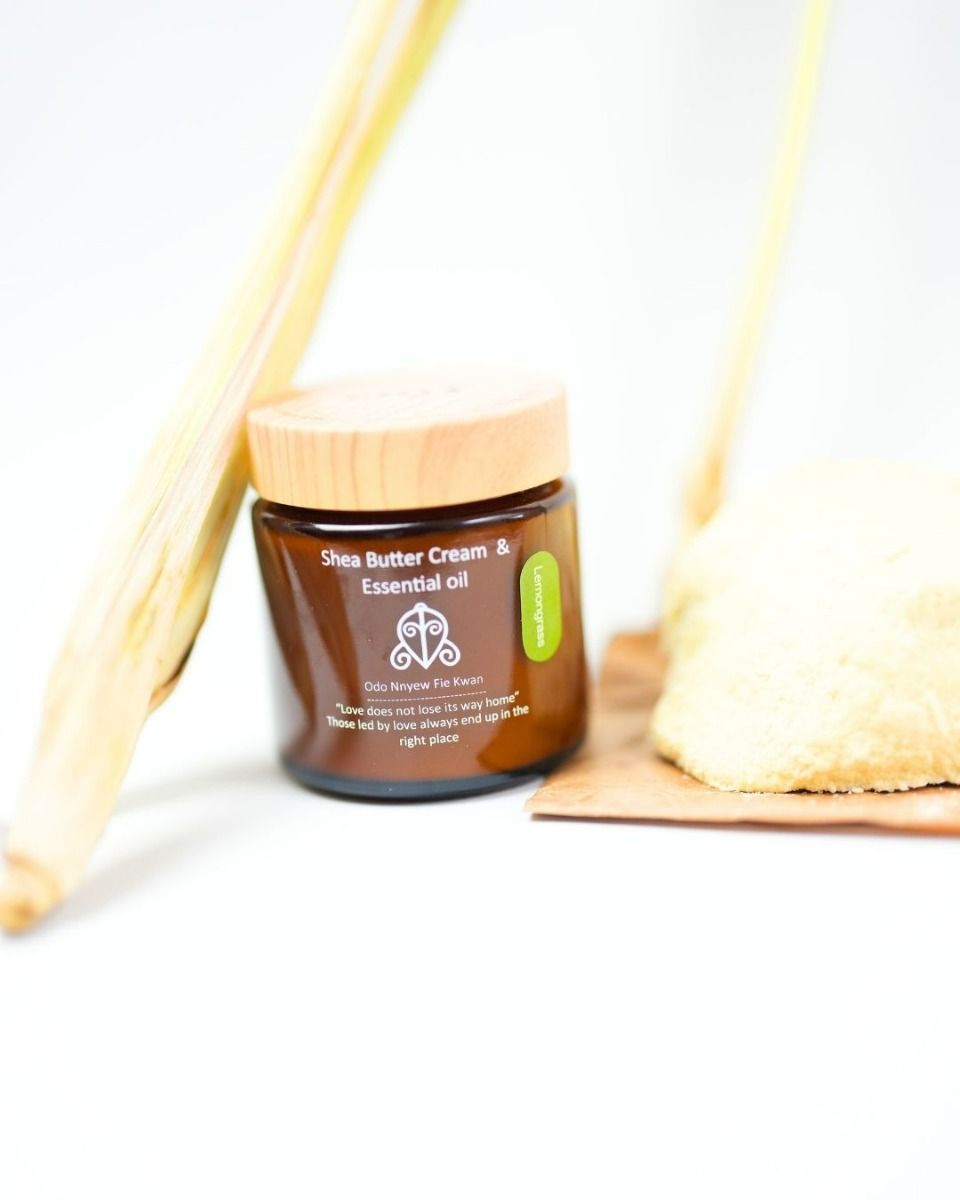
1. Shea Butter: The Ultimate Skin Healer
✔ Rich in vitamins A and E
✔ Deeply moisturizes dry and sensitive skin
✔ Helps with eczema, stretch marks, and inflammation

2. Cocoa Butter: Deep Hydration and Skin Repair
✔ Loaded with antioxidants that protect against free radicals
✔ Helps fade scars and stretch marks
✔ Ideal for mature or damaged skin
3. Mango Butter: Lightweight Yet Intensely Moisturizing
✔ Fast-absorbing, perfect for oily or combination skin
✔ Rich in vitamin C, which promotes collagen production
✔ Doesn’t clog pores
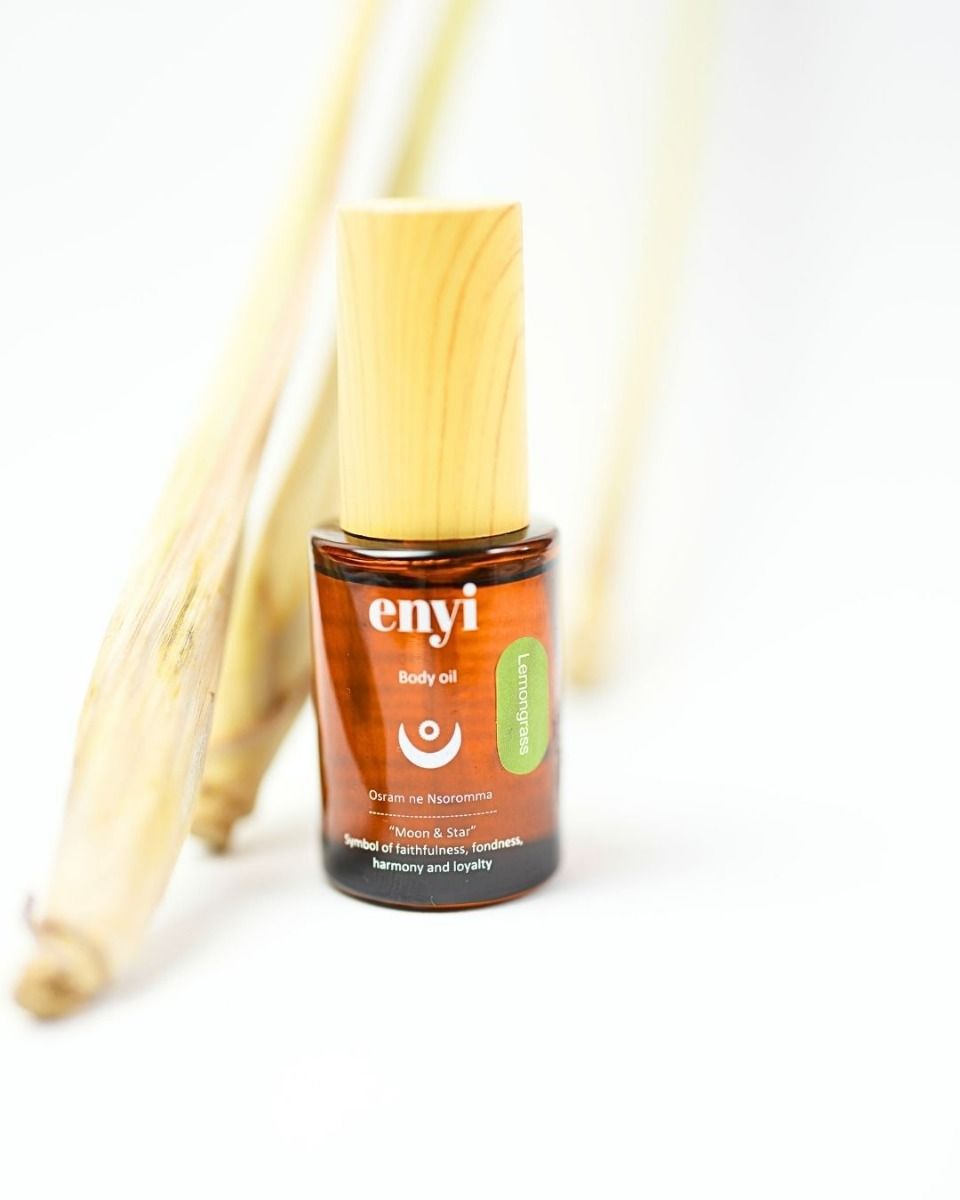
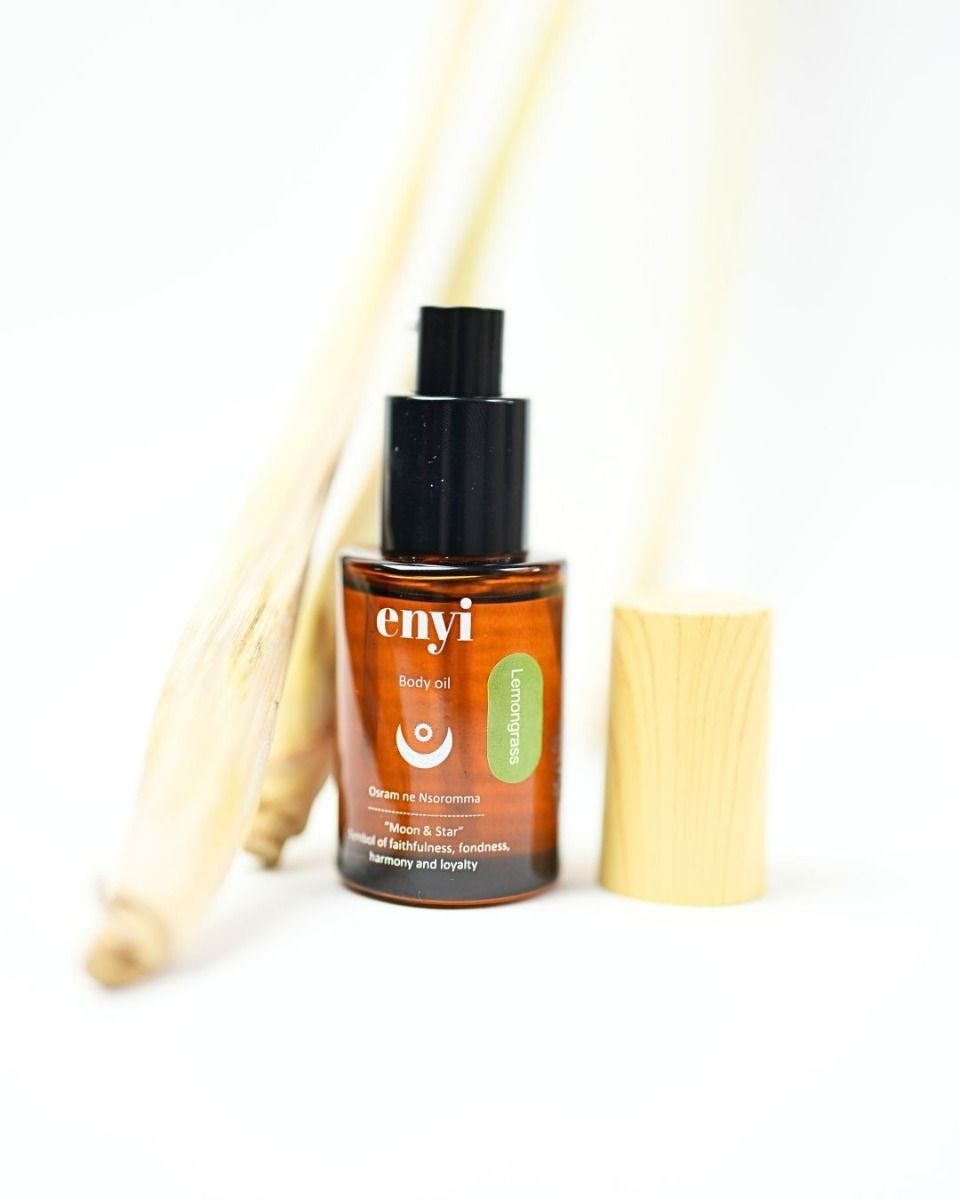
4. Cold Pressed Plant Oils for Extra Nourishment
✔ Moringa Oil – Mimics natural skin sebum, great for balancing oil production
✔ Avocado Oil – Packed with essential fatty acids for deep hydration
✔ Coconut Oil – Antibacterial and deeply moisturizing
Final Thoughts: Why You Should Switch to Natural Body Butter
The beauty industry thrives on cheap, synthetic body butters that promise hydration but fail to deliver real results. But you have the power to make better choices.
✅ Read labels carefully and avoid hidden chemicals.
✅ Choose raw, unrefined plant butters for maximum benefits.
✅ Ditch synthetic skincare for nature’s best moisturizers.
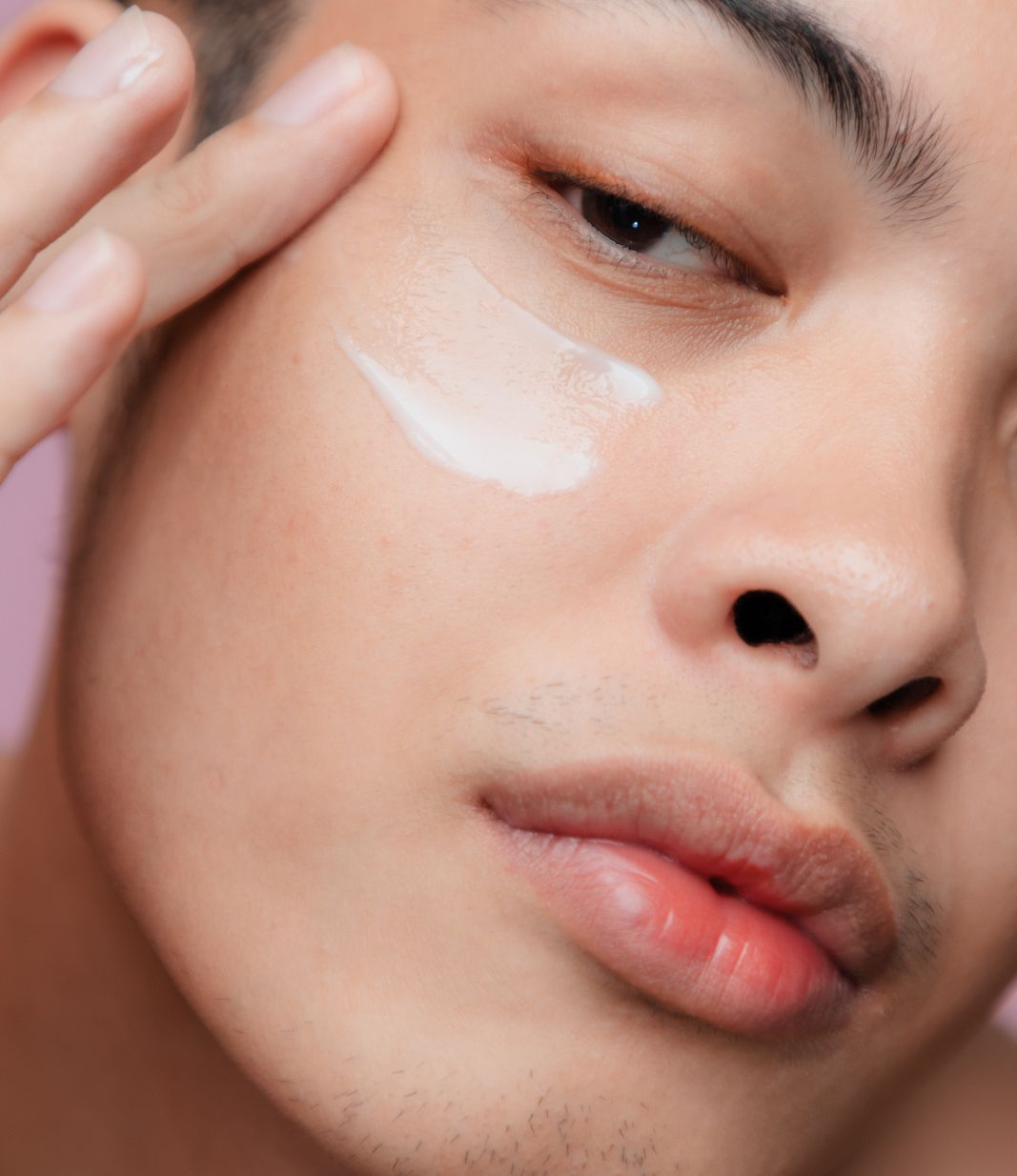
Your skin deserves better, and natural body butters are the way forward.
Skincare should nourish, not harm. The best body butters don’t just coat your skin—they feed it with nature’s richest ingredients, giving you hydration that lasts and health that glows.”
Francis M.
FAQs About Body Butter
1. What is body butter for?
Body butter is used to deeply moisturize, heal, and protect the skin, especially for dry or sensitive areas.
2. Which is better: body lotion or body butter?
Body butter is better for deep hydration, while body lotion is lighter and absorbs faster.
3. When should I apply body butter?
The best time is after a shower, before bed, or whenever your skin feels dry.
4. How do I use body butter?
Massage it into clean, damp skin and allow it to absorb before dressing.