



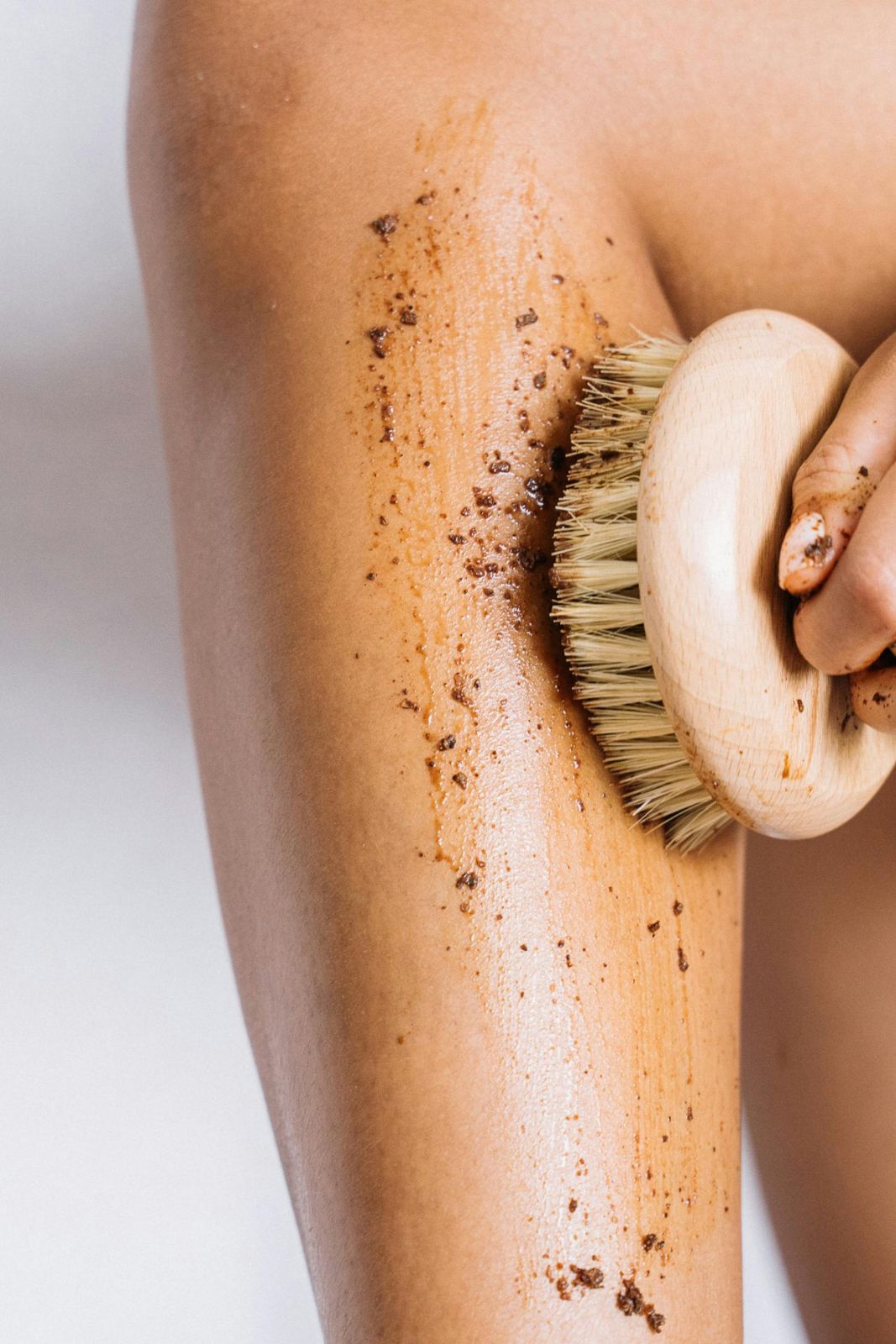
If you’ve ever walked through a skincare aisle or scrolled TikTok’s or instagram #selfcare feed, you’ve likely seen bold claims like “draws out toxins,” “deep skin detox,” or “purifies from within.” These phrases promise renewal, healing, and clarity. But what if they were all based on a lie?
- What Is a Skin Detox—And Does It Even Exist?
- Origins of the “Detox” Trend
- The Science Doesn’t Add Up
- So Why Does It Keep Selling?
- The Language of Cleanliness = The Language of Control
- Detoxing the Natural Out of You
- Who Profits From the Detox Myth?
- And Who Pays the Price?
- What Detox Should Really Mean
- Reclaiming Your Rituals
- It’s Time to Detox the Detox
What Is a Skin Detox—And Does It Even Exist?
Before we discuss the marketing tactics, let’s start with a simple question: Can your skin detox itself?
The short answer: your skin doesn’t need to detox.
The long answer: your body already has a highly efficient, built-in detox system—your liver, kidneys, lungs, digestive tract, and lymphatic system. These organs work 24/7 to neutralize and eliminate waste, including environmental toxins.
The skin’s job is to protect, regulate temperature, and excrete small amounts of waste through sweat—but it’s not designed to filter or detoxify the way internal organs do.
So where did the idea of a “skin detox” come from?

Origins of the “Detox” Trend
The concept of detoxification isn’t new. It has ancient roots in traditional medicine systems like Ayurveda, Traditional Chinese Medicine, and Indigenous healing practices. But in those systems, detox was holistic—focused on diet, ritual, fasting, and community healing.
The modern “skin detox” trend, however, exploded in the 1990s and 2000s, thanks to two key forces:
- The rise of the clean beauty movement
- A booming weight loss and diet culture industry that needed a skincare equivalent
Suddenly, detoxing wasn’t just something you did with juice—it was something your skin needed weekly. Or daily. Or now, with that €89 serum “powered by charcoal and sea minerals.”
The Science Doesn’t Add Up
The issue? There’s little to no clinical evidence that topical products can detoxify your skin in the way they claim.
Common marketing phrases include:
- “Draws out toxins”
- “Purifies skin cells”
- “Flushes impurities”
- “Cleanses from the inside out”
But none of these are scientifically defined or regulated.
There’s no standard list of “toxins” these products claim to remove. There are no peer-reviewed studies showing that a clay mask removes pollutants from your bloodstream. And terms like “purifying” or “cleanse” are intentionally vague to sound medical without being held accountable.
Dermatologists and toxicologists widely agree: there’s no such thing as a skin detox product that removes toxins through your pores.

So Why Does It Keep Selling?
Despite the lack of evidence, skin detox products generate billions in revenue globally. Why? Because the industry isn’t selling science—it’s selling emotion.
More specifically: it’s selling shame.
The Shame Economy: Selling Insecurity for Profit
“Detox” sounds like healing. But in practice, it taps into three deep-seated fears:
- You’re dirty.
- You’re doing self-care wrong.
- You’re not pure enough.
By implying your skin is clogged, impure, or toxic, detox products create a problem you didn’t know you had. Then they offer themselves as the solution.
This is especially aggressive when targeted at:
- Women of color, whose skin is already heavily policed and exoticized
- Teenagers, navigating breakouts and hormones
- Anyone on a “wellness” journey, trying to feel in control of their health
The industry takes full advantage of the guilt we feel for being tired, stressed, breaking out, or aging. Then it suggests we can buy our way back to “clean.”

The Language of Cleanliness = The Language of Control
Terms like “purifying,” “detoxifying,” and “deep cleansing” are not neutral. They mirror colonial, religious, and racialized histories of purity.
Historically, those deemed “unclean” were:
- The colonized
- The poor
- Women with natural body functions
- Black and Brown people with melanin-rich skin and textured hair
This is no accident. When beauty products use language like “decongest,” “eliminate impurities,” or “clarify,” they’re tapping into centuries of social programming that associates health, beauty, and moral goodness with being white, thin, and smooth.
Detoxing the Natural Out of You
What’s worse is that many of these products target natural bodily functions as the enemy.
- Oil? Your skin’s way of protecting itself.
- Sweat? Your body cooling down.
- Breakouts? Often hormonal, not toxic buildup.
- Texture? Literally just… skin.
But by framing these things as problems, the industry encourages us to strip, scrub, and suppress what’s normal.
Even more sinister: many of the so-called detox ingredients—like alcohol, salicylic acid, and harsh clays—actually weaken the skin barrier, making you more dependent on the very products causing the irritation.
Who Profits From the Detox Myth?
It’s not just the brands. An entire ecosystem profits from the skin detox narrative:
- Influencers who promote detox masks with affiliate links
- Wellness platforms that list “top purifying essentials”
- Aesthetic clinics upselling detox facials and peels
- Media outlets that frame detox as “empowerment” or “clean living”
Even so-called “clean beauty” brands often use detox language to appear responsible—without examining how body shame drives most of their revenue.
And Who Pays the Price?
- The consumer—who spends hundreds on products with no measurable benefit
- Your skin—which can be stripped, irritated, or sensitized by over-detoxing
- The planet—with detox ingredients overharvested from the Global South
- Indigenous knowledge holders—whose holistic healing is repackaged as trend, without recognition
And especially: Black and Brown women, whose ancestral oils and rituals are rebranded as detox trends, while their lived realities are erased from marketing.
What Detox Should Really Mean
True detox isn’t about buying another serum. It’s about removing what’s harmful from your lifestyle and your mindset—including shame-based beauty narratives.
Real detox might look like:
- Drinking enough water and eating nutrient-dense food
- Using gentle, natural ingredients like cold-pressed oils
- Resting without guilt
- Healing your relationship with your skin
- Buying from people who honor—not exploit—your rituals
Reclaiming Your Rituals
For centuries, Black, Indigenous, and global South communities used oils, herbs, clays, and smoke to cleanse—not to purify the body as “impure,” but to honor it. Rituals were sacred, shared, slow.
Today, that same shea butter is sold to you in a detox night cream. But at enyi, we do things differently.
We don’t sell shame.
We don’t sell urgency.
We don’t tell you your skin is dirty.
We offer raw, unprocessed oils, butters, and herbs sourced with integrity—so you can reconnect to your own rhythm, and rewrite your skincare story from a place of respect.
It’s Time to Detox the Detox
The skin detox myth won’t die overnight. It’s built on a foundation of deep emotional conditioning and strategic marketing. But knowledge is power. When we understand the language, we can begin to challenge it.
Let’s detox the lie.
Let’s decolonize our beauty.
Let’s stop buying solutions to problems we never had.