


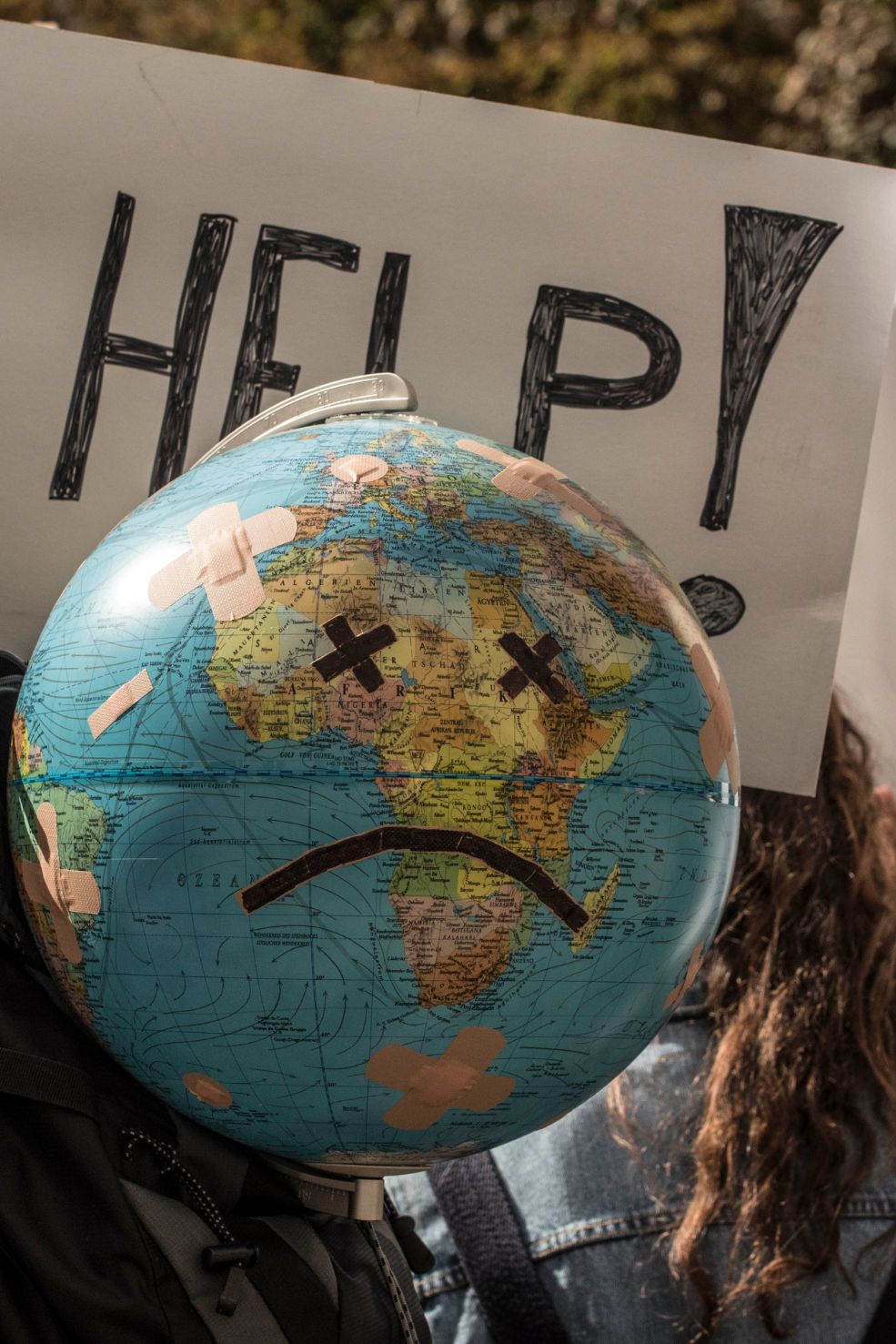
With global warming already driving extreme weather events, rising sea levels, and biodiversity loss, the destruction of the Amazon could push the planet toward irreversible climate tipping points. But how exactly is deforestation fueling global warming, and what will happen if the Amazon collapses?
- What is Global Warming?
- What are the Causes of Global Warming?
- The Connection Between Global Warming and Deforestation
- What Are the 11 Impacts of Global Warming?
- The Amazon Tipping Point: Why It Matters
- What Will Happen if We Fail to Meet the 2030 Climate Deadline?
- How Can Global Warming Be Reduced?
- Is Man to Blame for Climate Change?
The Amazon rainforest is often called the “lungs of the Earth,” absorbing vast amounts of carbon dioxide (CO₂) and producing 20% of the world’s oxygen. But this critical ecosystem is under extreme pressure from deforestation, threatening its ability to regulate global temperatures.
What is Global Warming?
Global warming refers to the long-term increase in Earth’s average surface temperature due to rising levels of greenhouse gases (GHGs). This warming is primarily driven by human activities such as burning fossil fuels, industrial agriculture, and deforestation.
The Earth’s climate has always changed over millions of years, but the rapid temperature rise observed in the last century is largely human-induced. According to NASA, global temperatures have increased by 1.2°C (2.2°F) since the late 19th century, with devastating consequences.
What are the Causes of Global Warming?
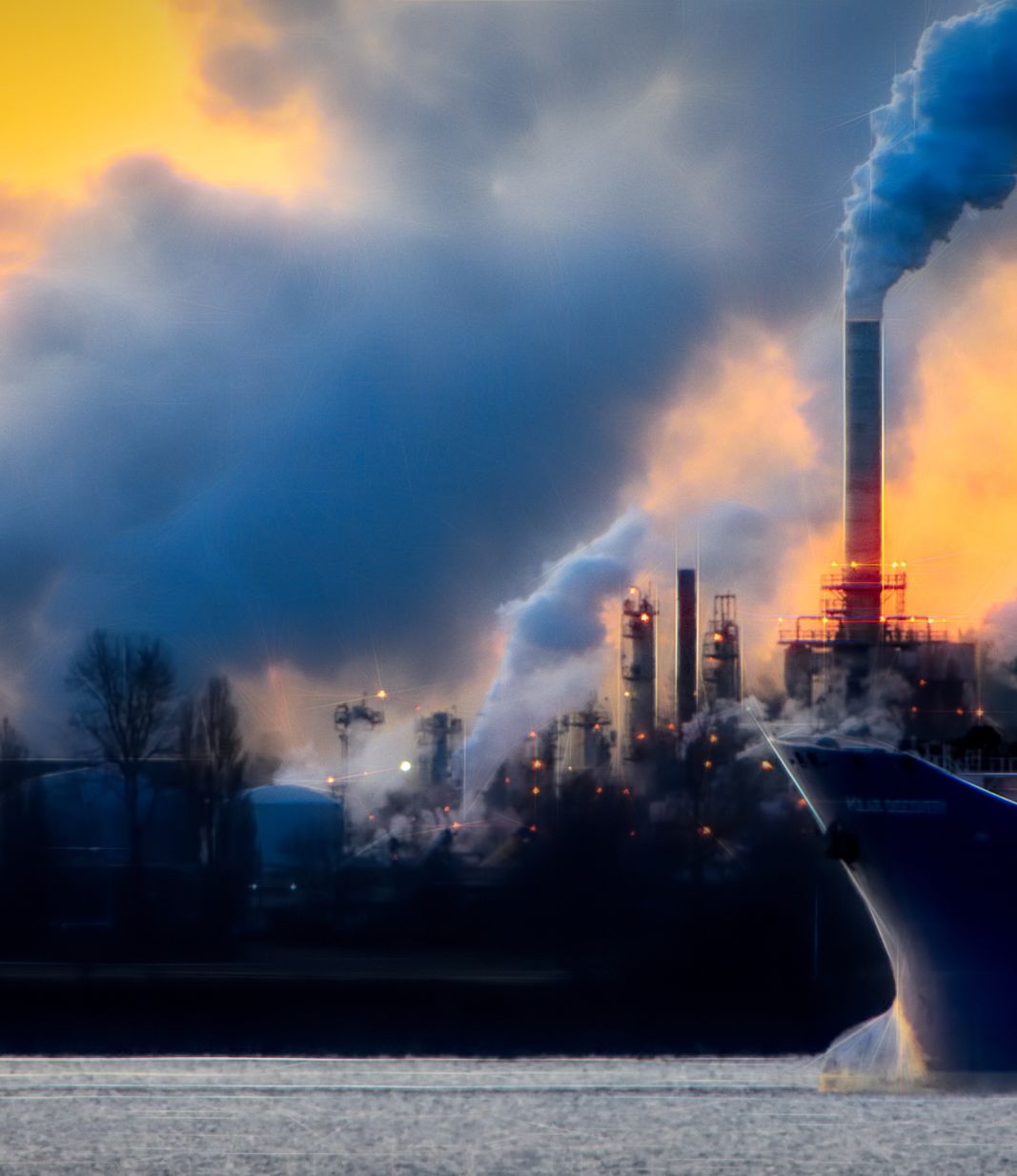
Several factors contribute to global warming, but the primary drivers include:
- Burning fossil fuels – Coal, oil, and natural gas release carbon dioxide (CO₂) and methane (CH₄) into the atmosphere.
- Deforestation – Cutting down forests reduces the Earth’s ability to absorb CO₂.
- Industrial emissions – Factories release massive amounts of CO₂ and other greenhouse gases.
- Agricultural practices – Livestock farming produces methane, a potent GHG.
- Land-use changes – Urbanization and deforestation increase heat absorption, worsening climate change.

Is CO₂ Really to Blame for Climate Change?
Yes. While other gases like methane (CH₄) and nitrous oxide (N₂O) also contribute to global warming, CO₂ remains the biggest culprit, responsible for over 75% of greenhouse gas emissions.
Scientists have long established that CO₂ traps heat in the Earth’s atmosphere, creating a greenhouse effect that leads to rising global temperatures. The burning of fossil fuels and destruction of carbon-absorbing forests like the Amazon have significantly increased CO₂ levels since the Industrial Revolution.
The Connection Between Global Warming and Deforestation
How the Amazon Regulates Global Temperatures
The Amazon rainforest plays a critical role in climate stability. It functions as a carbon sink, absorbing billions of tons of CO₂ from the atmosphere. This process helps mitigate global warming by slowing down the accumulation of greenhouse gases.
However, deforestation disrupts this balance. As trees are cut down and burned, the stored CO₂ is released back into the atmosphere, accelerating global warming. Worse, if the Amazon reaches a tipping point, it may stop absorbing CO₂ altogether and start emitting more carbon than it captures.
Deforestation’s Contribution to Greenhouse Gas Emissions
When trees are removed, carbon storage is lost. But that’s not the only problem—deforestation also affects the water cycle, reducing rainfall and increasing droughts. This creates a feedback loop where higher temperatures lead to drier forests, making them more vulnerable to fires, further increasing CO₂ emissions.
What Are the 11 Impacts of Global Warming?
Global warming has far-reaching consequences. Here are 11 key impacts:
- Rising temperatures – More frequent and intense heatwaves.
- Melting ice caps – Arctic and Antarctic ice loss leads to rising sea levels.
- Extreme weather events – More hurricanes, wildfires, and storms.
- Disrupted rainfall patterns – More droughts and floods.
- Ocean acidification – Higher CO₂ levels make oceans more acidic, harming marine life.
- Biodiversity loss – Many species struggle to adapt to changing temperatures.
- Food insecurity – Rising temperatures threaten crop yields.
- Health risks – Increased heat-related illnesses and the spread of tropical diseases.
- Economic damage – Extreme weather leads to billions in damages annually.
- Climate refugees – Rising sea levels and droughts force people to migrate.
- Feedback loops – More CO₂ leads to more warming, worsening all other effects.
The Amazon Tipping Point: Why It Matters
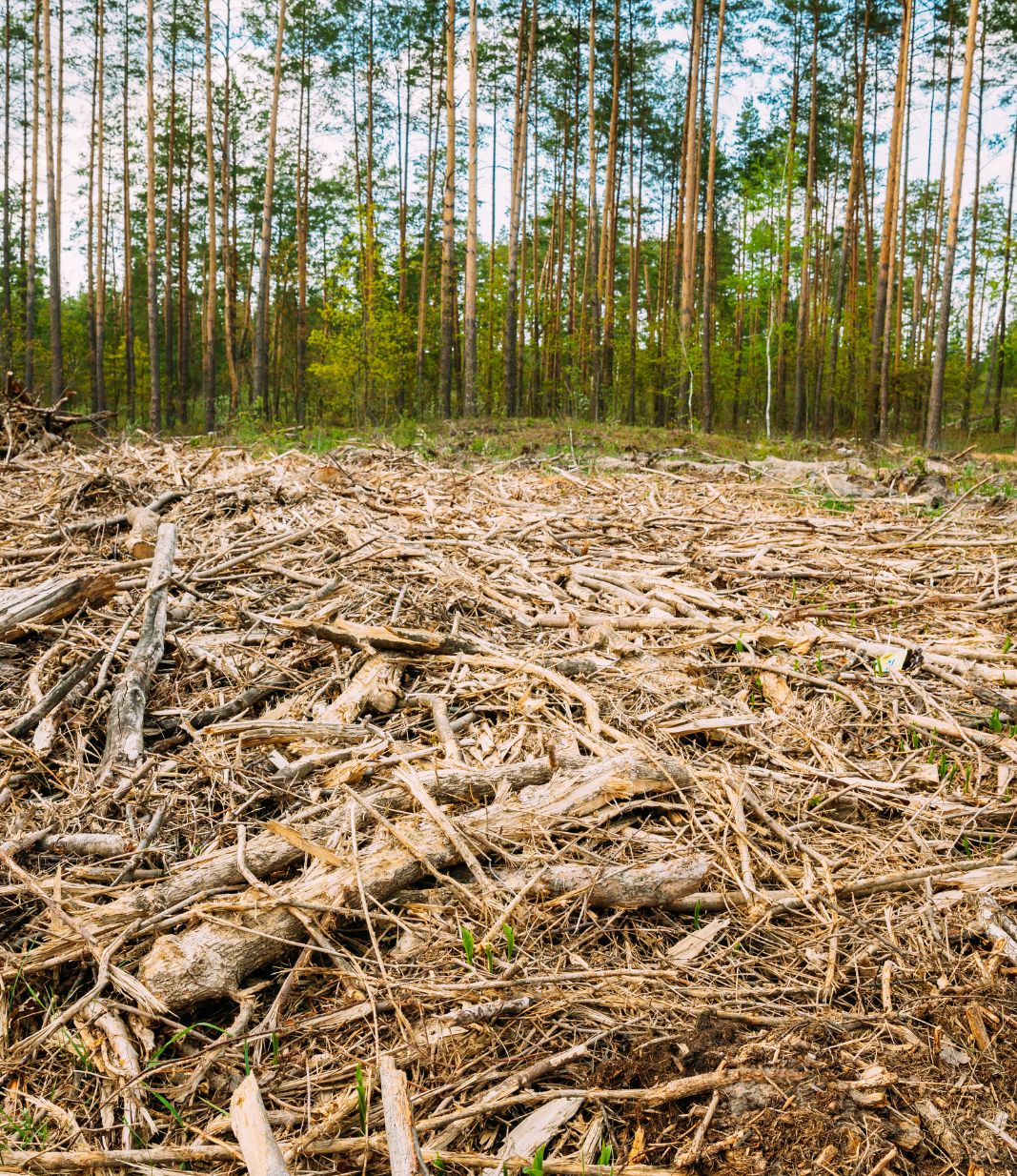
The Amazon is approaching a climate tipping point, where deforestation and warming could cause irreversible damage. Scientists warn that if 20-25% of the Amazon is destroyed, it may shift from a rainforest to a savanna-like ecosystem, permanently altering global weather patterns.
Fires, Droughts, and Human Exploitation
- Illegal logging, mining, and agriculture are wiping out vast sections of the Amazon.
- Prolonged droughts and wildfires are worsening due to rising temperatures.
- Loss of tree cover reduces rainfall, making the region drier and more prone to wildfires.
What Will Happen if We Fail to Meet the 2030 Climate Deadline?
If we fail to cut global emissions by 2030, we could surpass 1.5°C of warming, leading to:
- More severe heatwaves and storms
- Permanent damage to ecosystems
- Mass displacement of people
- Increased risk of reaching irreversible climate tipping points
How Can Global Warming Be Reduced?
- Reforestation – Protect and restore rainforests.
- Transition to renewable energy – Reduce reliance on fossil fuels.
- Sustainable agriculture – Reduce deforestation caused by cattle ranching and palm oil.
- Stronger climate policies – Governments must implement stricter emission laws.
- Reduce personal carbon footprints – Individuals can cut energy use, recycle, and support sustainable products.
Is Man to Blame for Climate Change?
While natural climate variations exist, scientific consensus confirms that human activity is the primary cause of modern global warming. The burning of fossil fuels, deforestation, and industrial processes have accelerated climate change beyond natural fluctuations.
The Amazon rainforest is nearing a dangerous tipping point, and its destruction is worsening global warming. Without urgent action, we risk irreversible climate damage.
To combat global warming, we must protect forests, reduce emissions, and transition to sustainable solutions. Governments, businesses, and individuals must work together to prevent climate catastrophe.
The time to act is now—before it’s too late.