



What Are You Really Putting on Your Skin? In the skincare and personal care industry, we’re taught to believe that products on the shelf are safe. After all, they’ve been tested, certified, and regulated—right?
- 1. FDA vs. EU: A Tale of Two Standards
- 2. How Dangerous Ingredients End Up in African Markets
- 3. Common Harmful Ingredients Still Found in African Shelves
- 4. Who Pays the Price?
- 5. Why Aren’t African Governments Doing More
- 6. What Can We Do About It?
- 7. What This Means for the Global Wellness Movement
- Conclusion: Not Just a Skincare Issue
- Final CTA:
Not exactly.
In the United States, the Food and Drug Administration (FDA) has banned or restricted fewer than 30 ingredients for use in cosmetics. Meanwhile, the European Union has banned over 1,300 ingredients due to concerns over cancer, reproductive harm, skin irritation, and more.
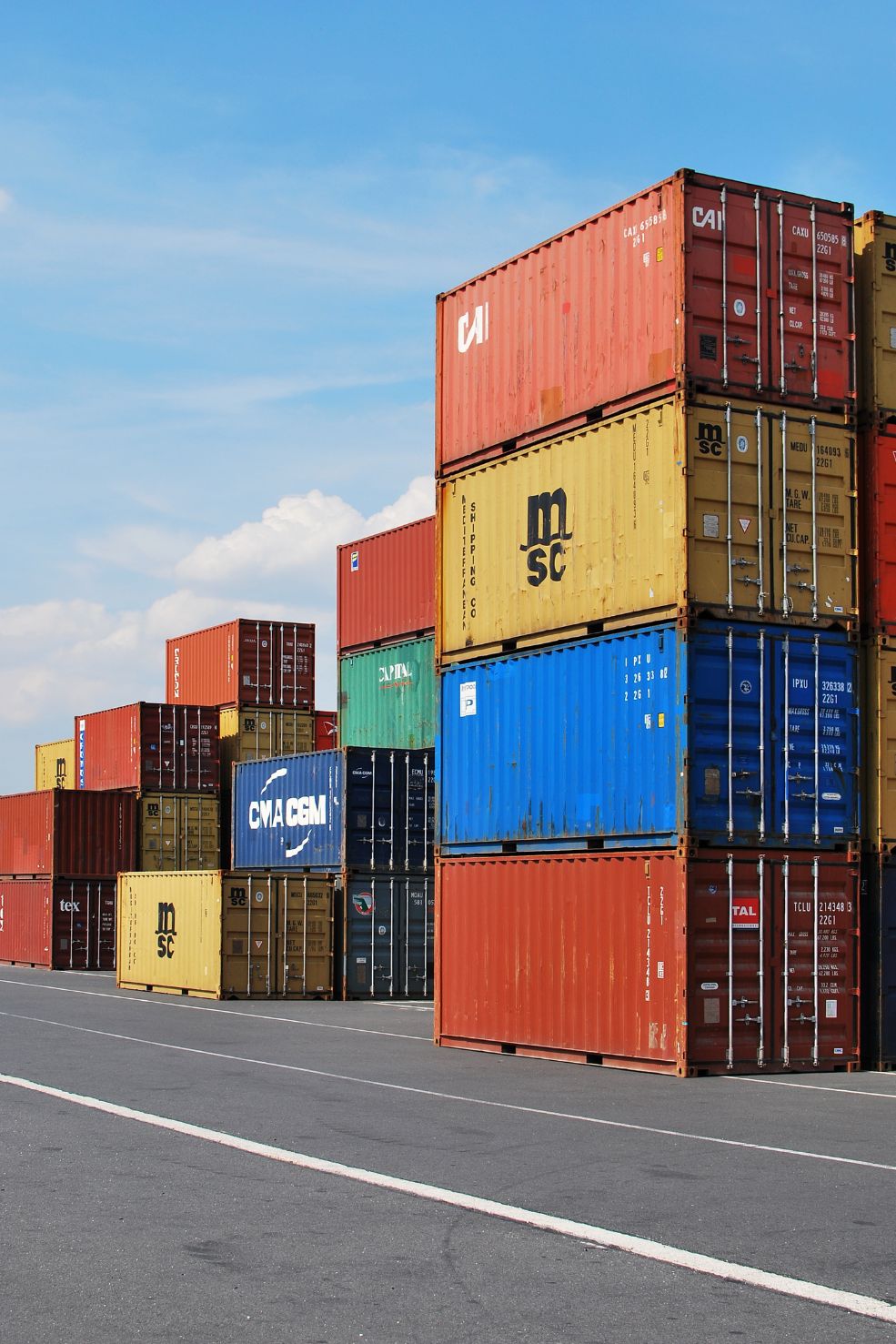
But what’s more disturbing is where these banned ingredients go: many are sold in African markets, where regulation is weaker, oversight is minimal, and the people buying them often have no idea what they’re using.
This isn’t just about skincare. This is about environmental racism, regulatory loopholes, and the global dumping of toxic products into vulnerable markets.
1. FDA vs. EU: A Tale of Two Standards
Let’s start with the facts:
- The U.S. FDA has banned or restricted only ~30 ingredients in personal care products.
- The EU, under its Cosmetics Regulation (EC) No 1223/2009, has banned over 1,300 ingredients.
- Canada has banned about 500 ingredients, while Japan has its own list of nearly 1,000.
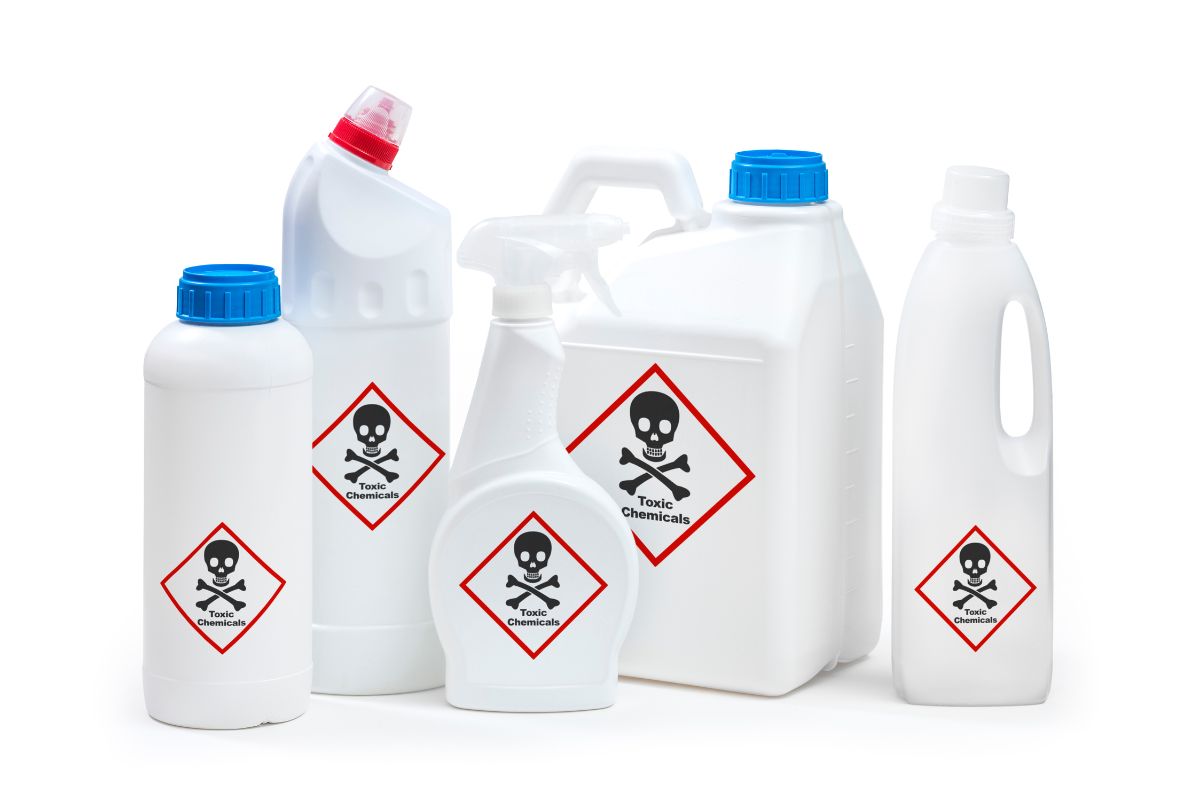
These bans are not arbitrary. They’re based on scientific studies linking ingredients to:
- Hormone disruption
- Carcinogenic effects
- Allergic reactions
- Skin corrosion and eye damage
- Reproductive toxicity
Yet in the U.S., the cosmetic industry is largely self-regulated. Companies are not even required to submit safety data before going to market. This laissez-faire approach means American consumers are often unknowingly exposed to toxic substances — and when these products face backlash or tighter restrictions in wealthier markets, they’re quietly exported elsewhere.
2. How Dangerous Ingredients End Up in African Markets
When the EU bans an ingredient and U.S. consumers begin demanding cleaner formulas, companies don’t necessarily reformulate globally. Instead, they often offload old stock and cheaper versions into unregulated or under-regulated regions—and that includes many countries across Africa and the Global South.
Here’s how it happens:
a) Trade Routes & Lax Customs Checks
Many African countries do not have the resources or infrastructure to test every cosmetic product entering the country. Customs officers often focus on import taxes and tariffs, not safety documentation or ingredient checks.
b) Colonial Trade Ties
Countries like Nigeria, Ghana, South Africa, and Kenya have long-standing trade relationships with former colonial powers and the U.S. Many foreign products enter local markets through wholesalers or franchises with little local oversight.
c) Label Manipulation & Greenwashing
Some brands simply relabel the same toxic products with vague terms like “natural” or “herbal.” Since “natural” is not a regulated term in most countries, it can mean anything—or nothing.
d) Regulatory Gaps
African regulatory bodies such as NAFDAC (Nigeria) or KEBS (Kenya) are under-resourced and overburdened. With thousands of imports to screen, dangerous chemicals often slip through the cracks—or aren’t even on the banned list.
3. Common Harmful Ingredients Still Found in African Shelves
While these may be banned in Europe or tightly regulated in the U.S., they still show up in many African markets—often in skin lightening creams, hair relaxers, lipsticks, shampoos, and baby products:
| Ingredient | Risk | EU Status | Common Use |
|---|---|---|---|
| Hydroquinone | Skin thinning, cancer risk | Banned | Skin lighteners |
| Formaldehyde | Carcinogen | Banned | Hair straighteners, nail polish |
| Parabens (e.g. Propylparaben) | Endocrine disruption | Restricted | Creams, deodorants |
| Phthalates | Reproductive harm | Banned | Fragrances, hair spray |
| Mercury compounds | Neurological damage | Banned | Skin whitening products |
| Triclosan | Hormonal interference | Banned | Soaps, toothpaste |
Many of these products are mass-produced in Asia or the U.S., shipped to West Africa, and sold in open markets, corner stores, or even pharmacies. Some carry no ingredient list at all, while others are labeled in foreign languages the average user cannot read.
4. Who Pays the Price?
This toxic export economy disproportionately affects Black and Brown bodies—especially women, who are more likely to use beauty and personal care products daily.
The consequences are long-term:
- Hormonal disorders
- Skin damage
- Infertility
- Cancer
- Chronic illnesses passed through generations
Even worse, these ingredients often end up in the water supply, contaminating local ecosystems and impacting entire communities.
This is not just about beauty. This is environmental violence. It’s regulatory apartheid—a system where the skin of some is protected, while others are used as testing grounds for profit.
5. Why Aren’t African Governments Doing More
It’s not that governments don’t care. Many, like Kenya and Nigeria, have taken steps to ban harmful skin-lightening creams and have begun clamping down on illegal imports.
But there are barriers:
- Lack of funding for enforcement
- Dependence on trade relationships with the U.S., China, and Europe
- Limited testing infrastructure for cosmetic chemicals
- Political pressure from large multinational companies
It’s not just about passing laws. It’s about enforcing them consistently—and giving local producers the tools and funding to compete with dangerous foreign imports.
6. What Can We Do About It?
a) Support Diaspora-Led Brands
Brands like enyi are not just selling skincare—they’re reclaiming ancestral knowledge, ethical sourcing, and dignity. These brands use safe, plant-based ingredients sourced from African producers with no chemical manipulation.
Supporting them is more than a purchase—it’s a political act. Check out our products range.
b) Demand Ingredient Transparency
If a product doesn’t show ingredients—or lists confusing chemicals without translation—don’t buy it. Encourage others to ask the same questions.
c) Call Out Dumping Practices
Brands that sell cleaner formulas in Europe but export toxic versions elsewhere should be called out publicly. Tag them. Email them. Boycott them.
d) Push for Stronger Trade Standards
African governments can enforce import labeling rules, require ingredient disclosure, and reject toxic cosmetics at the port level.
We need trade policies that protect people, not profit margins.
7. What This Means for the Global Wellness Movement
The clean beauty movement cannot be clean if it’s built on exported toxicity.
- If a brand refuses to use parabens in Berlin, it shouldn’t use them in Lagos.
- If mercury is banned in Paris, it shouldn’t be circulating in Accra.
- If transparency is expected in London, it should be respected in Johannesburg.
We must hold brands accountable to the same standard everywhere. Anything less is modern colonialism in a bottle.
Conclusion: Not Just a Skincare Issue
When the FDA bans 30 ingredients and the EU bans 1,300, we see a clear gap. But when these banned products end up in African markets, the issue becomes bigger than regulation—it becomes a matter of justice.
We are not dumping grounds. We are not test markets. We are not the parts of the world where old stock goes to die.
At Enyi, we don’t just sell oils. We offer ancestral ingredients, fair trade alternatives, and chemical-free hydration that doesn’t come at the cost of your health.
Final CTA:
Know what you’re using. Protect your skin. Support brands that honor the land, the people, and the truth.
🛒 Shop our plant based ingredients
🔗 Tap the link in bio to explore ethical skincare rooted in truth.